House passes bill to reaffirm first-responder immunity after 2025 court ruling
February 02, 2026 | 2026 Utah Legislature, Utah Legislature, Utah Legislative Branch, Utah
This article was created by AI summarizing key points discussed. AI makes mistakes, so for full details and context, please refer to the video of the full meeting. Please report any errors so we can fix them. Report an error »
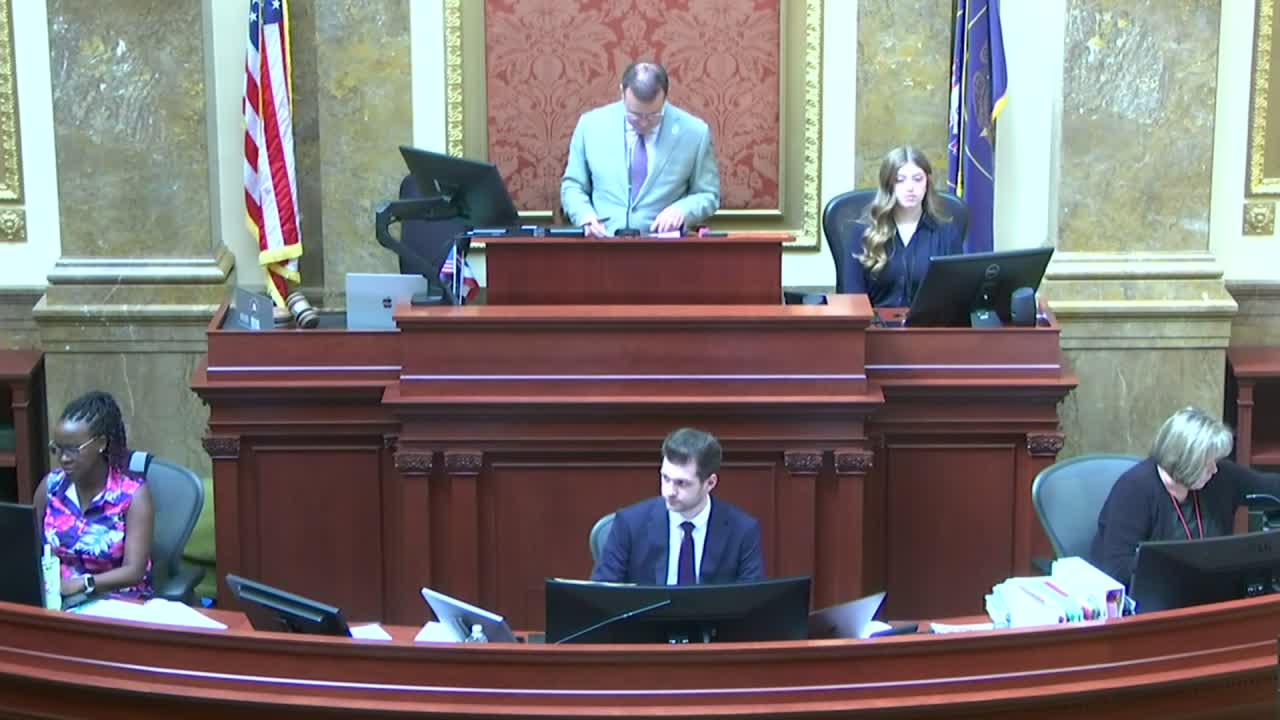
The Utah House of Representatives on Feb. 2 approved first substitute HB79, a measure sponsors say restores long-standing government immunity protections for firefighters, paramedics and other emergency responders when providing emergency medical services. The bill passed on a voice/roll call vote of 71-0 and will be sent to the Senate for further consideration.
Sponsor Rep. Sam Gwynn said the bill is intended to “reassert” what the legislature meant in 1985 and 1989, when statutory language was first amended to extend immunity to emergency responders performing medical services and related duties. Gwynn told colleagues that the state’s legal precedent had been disturbed by a 2025 Supreme Court decision that narrowed the statute’s interpretation, and that HB79 simply clarifies the original legislative intent rather than extending immunity beyond established limits.
Supporters framed the bill as a public-safety measure. Rep. Andrew Acton described the legislation as “life-affirming” and said it would prevent first responders from hesitating to provide care. Rep. James Snyder said the Supreme Court decision had made communities less safe and urged colleagues to “right[] a judicial wrong.” Several members asked technical questions about retroactivity and whether the bill would affect pending litigation; Gwynn acknowledged he did not have definitive answers about ongoing lawsuits and that the bill’s effect on specific cases was uncertain.
The bill’s sponsor emphasized exemptions that remain in statute: immunity does not shield intentional wrongdoing or gross negligence. Gwynn stated the legislation would not prevent injured parties from filing lawsuits; rather, it would restore the statutory interpretation that historically shielded emergency responders performing covered duties.
Next steps: HB79 will proceed to the Utah Senate for further consideration.
Sponsor Rep. Sam Gwynn said the bill is intended to “reassert” what the legislature meant in 1985 and 1989, when statutory language was first amended to extend immunity to emergency responders performing medical services and related duties. Gwynn told colleagues that the state’s legal precedent had been disturbed by a 2025 Supreme Court decision that narrowed the statute’s interpretation, and that HB79 simply clarifies the original legislative intent rather than extending immunity beyond established limits.
Supporters framed the bill as a public-safety measure. Rep. Andrew Acton described the legislation as “life-affirming” and said it would prevent first responders from hesitating to provide care. Rep. James Snyder said the Supreme Court decision had made communities less safe and urged colleagues to “right[] a judicial wrong.” Several members asked technical questions about retroactivity and whether the bill would affect pending litigation; Gwynn acknowledged he did not have definitive answers about ongoing lawsuits and that the bill’s effect on specific cases was uncertain.
The bill’s sponsor emphasized exemptions that remain in statute: immunity does not shield intentional wrongdoing or gross negligence. Gwynn stated the legislation would not prevent injured parties from filing lawsuits; rather, it would restore the statutory interpretation that historically shielded emergency responders performing covered duties.
Next steps: HB79 will proceed to the Utah Senate for further consideration.
Don't Miss a Word: See the Full Meeting!
Go beyond summaries. Unlock every video, transcript, and key insight with a Founder Membership.
✓
Get instant access to full meeting videos
✓
Search and clip any phrase from complete transcripts
✓
Receive AI-powered summaries & custom alerts
✓
Enjoy lifetime, unrestricted access to government data
30-day money-back guarantee
