Senate advances bill to expand Utah Supreme Court and add appellate, district judges to third reading after extended debate
January 23, 2026 | 2026 Utah Legislature, Utah Legislature, Utah Legislative Branch, Utah
This article was created by AI summarizing key points discussed. AI makes mistakes, so for full details and context, please refer to the video of the full meeting. Please report any errors so we can fix them. Report an error »
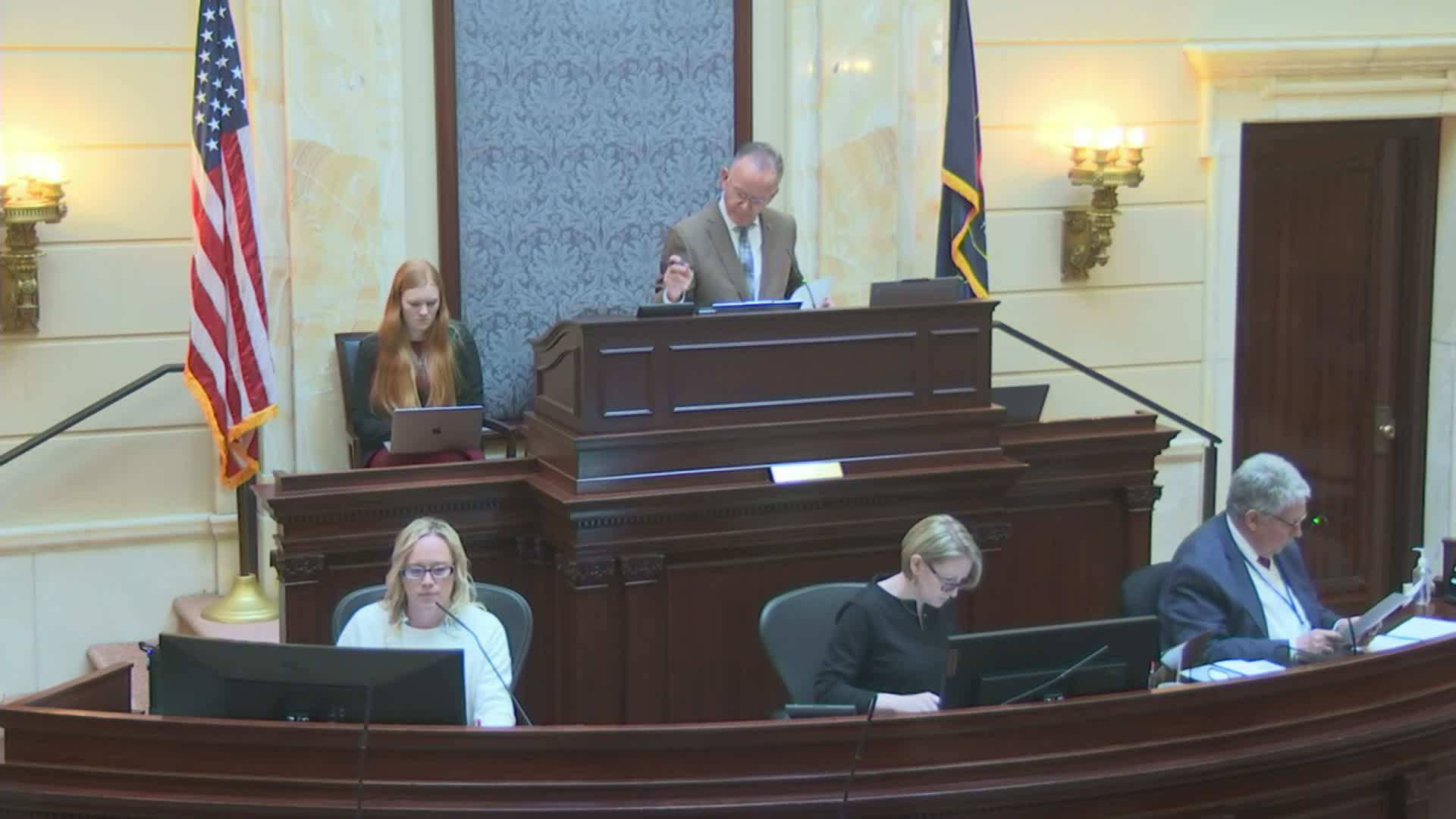
Senator Daniel Wilson, sponsor of the second substitute to Senate Bill 134, told the Senate that rising appellate filings and sustained caseload growth prompted the measure to add judicial capacity across Utah’s courts. The bill would expand the Utah Supreme Court from five to seven justices, add two Court of Appeals justices, and create three new district court judgeships in Districts 3 (Salt Lake County), 4 (Utah County) and 5 (Washington County), along with supporting law clerks and staff.
Why it matters: Wilson cited the Utah judiciary annual report showing record appellate filings in 2024–25 and said the changes would provide “system‑wide resources” to reduce bottlenecks. Supporters said the additions would improve deliberation and reduce tie votes on the state’s highest court, while opponents raised concerns about timing, cost and public optics.
Support and fiscal context: Senator Todd Wyler, who supported the proposal, said adding two Supreme Court justices carries a fiscal note “of about $1,000,000,” which he framed as a small fraction of the state’s roughly $30 billion budget. Senator Ashlee Mikell and others pointed to comparative data showing many states with populations similar to Utah have seven or more justices.
Concerns and alternatives: Several senators—including Senator Reby and Senator Pitcher—told the floor they had constituent and stakeholder concerns about expanding the Supreme Court specifically and urged prioritizing district‑court resources or phasing implementation. Senator Musselman described hesitancy over timing and suggested exploring alternative models, such as a bifurcated panel arrangement used in Nevada, as a possible compromise.
Sponsor response and procedural result: Wilson said stakeholders including the governor’s office and the Commission on Criminal and Juvenile Justice supported language that lets executive selection processes fill Supreme Court vacancies before Court of Appeals vacancies in rare simultaneous openings. He asked the Senate to advance the second substitute. On a roll call the body recorded the motion to read the second substitute a third time as passing, recorded in the transcript as 22 yes and 7 no; the clerk ordered the bill read a third time for further floor consideration.
What’s next: The Senate ordered the second substitute to third reading; the transcript does not record a final passage to enrollment in this session excerpt. Further floor action, including any final passage vote, will be determined in subsequent floor proceedings.
Why it matters: Wilson cited the Utah judiciary annual report showing record appellate filings in 2024–25 and said the changes would provide “system‑wide resources” to reduce bottlenecks. Supporters said the additions would improve deliberation and reduce tie votes on the state’s highest court, while opponents raised concerns about timing, cost and public optics.
Support and fiscal context: Senator Todd Wyler, who supported the proposal, said adding two Supreme Court justices carries a fiscal note “of about $1,000,000,” which he framed as a small fraction of the state’s roughly $30 billion budget. Senator Ashlee Mikell and others pointed to comparative data showing many states with populations similar to Utah have seven or more justices.
Concerns and alternatives: Several senators—including Senator Reby and Senator Pitcher—told the floor they had constituent and stakeholder concerns about expanding the Supreme Court specifically and urged prioritizing district‑court resources or phasing implementation. Senator Musselman described hesitancy over timing and suggested exploring alternative models, such as a bifurcated panel arrangement used in Nevada, as a possible compromise.
Sponsor response and procedural result: Wilson said stakeholders including the governor’s office and the Commission on Criminal and Juvenile Justice supported language that lets executive selection processes fill Supreme Court vacancies before Court of Appeals vacancies in rare simultaneous openings. He asked the Senate to advance the second substitute. On a roll call the body recorded the motion to read the second substitute a third time as passing, recorded in the transcript as 22 yes and 7 no; the clerk ordered the bill read a third time for further floor consideration.
What’s next: The Senate ordered the second substitute to third reading; the transcript does not record a final passage to enrollment in this session excerpt. Further floor action, including any final passage vote, will be determined in subsequent floor proceedings.
View the Full Meeting & All Its Details
This article offers just a summary. Unlock complete video, transcripts, and insights as a Founder Member.
✓
Watch full, unedited meeting videos
✓
Search every word spoken in unlimited transcripts
✓
AI summaries & real-time alerts (all government levels)
✓
Permanent access to expanding government content
30-day money-back guarantee
