Committee advances contested water-rights rewrite aimed at speeding projects to the Great Salt Lake; critics say it narrows public protections
January 23, 2026 | 2026 Utah Legislature, Utah Legislature, Utah Legislative Branch, Utah
This article was created by AI summarizing key points discussed. AI makes mistakes, so for full details and context, please refer to the video of the full meeting. Please report any errors so we can fix them. Report an error »
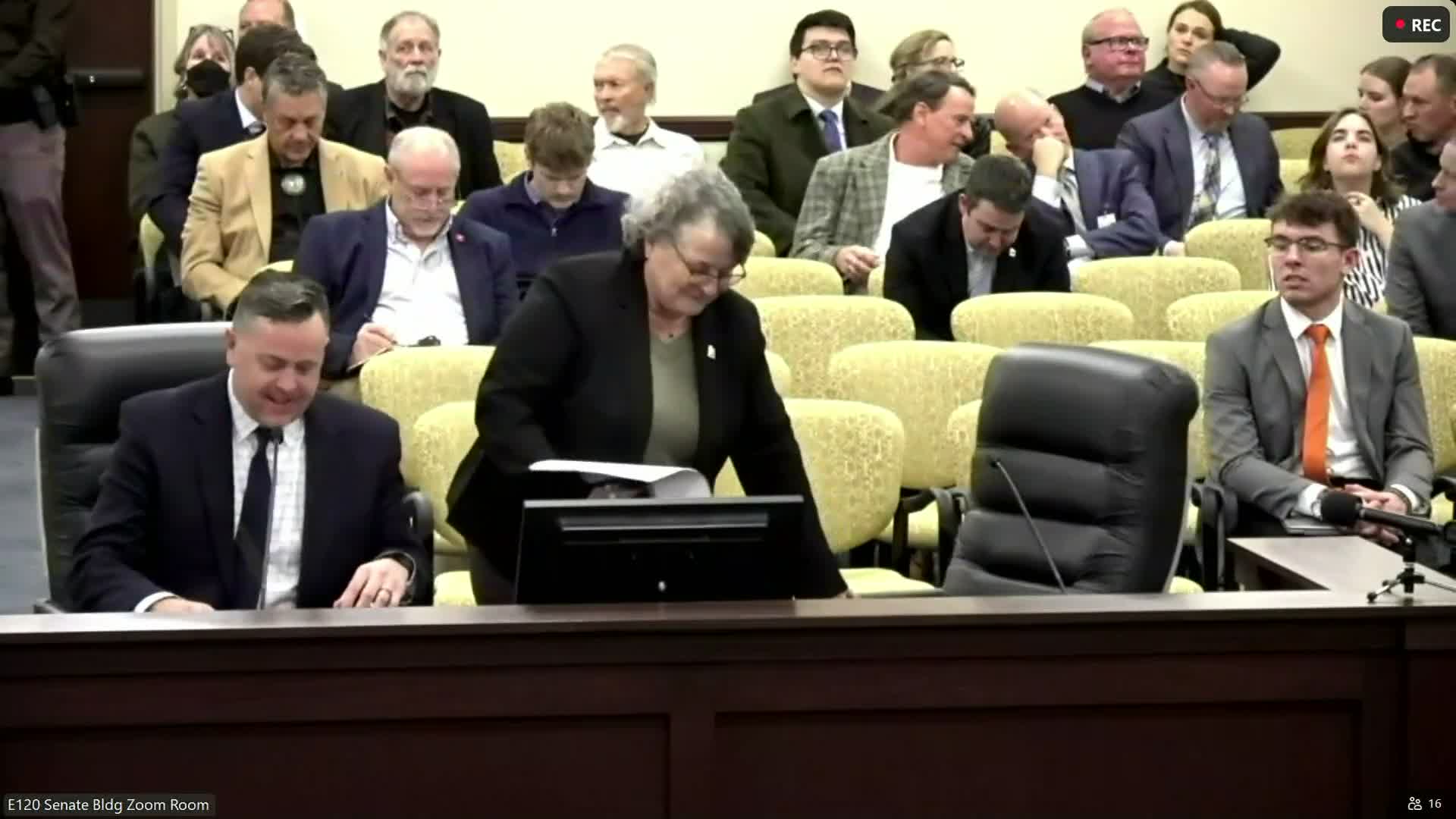
Representative Schallenberger and State Water Engineer Theresa Williamson framed HB 60 as a statutory cleanup and a workload-focused effort to let the State Engineer concentrate on questions within the office’s statutory authority — beneficial use, quantity, quality and availability of water — and to defer non-water issues (air quality, economic impacts, zoning) to agencies with expertise.
Williamson described a high caseload (roughly 16,000 decisions a year) and explained the bill would remove antiquated language and clarify what the engineer may consider when reviewing protests. Supporters, including members of the Farm Bureau and an experienced water-law practitioner, said the goal is to streamline processes so water can be delivered more quickly for programs intended to bolster the Great Salt Lake.
But the bill drew lengthy public opposition at the committee. Conservation groups and local residents said HB 60 would remove the engineer’s ability to consider impacts to recreation, natural stream environments and the public welfare and would limit who has meaningful standing to protest applications. Zachary Frankel of the Utah Rivers Council said the bill "absolutely, positively streamlines the drawing of the Great Salt Lake," and other witnesses warned it would hinder local and tribal ability to challenge diversions that affect the lake and regional air quality from exposed lakebed. After discussion the committee voted 7–2 to advance the bill; several members asked the sponsor to continue working with dissenting stakeholders as the bill moves forward.
Williamson described a high caseload (roughly 16,000 decisions a year) and explained the bill would remove antiquated language and clarify what the engineer may consider when reviewing protests. Supporters, including members of the Farm Bureau and an experienced water-law practitioner, said the goal is to streamline processes so water can be delivered more quickly for programs intended to bolster the Great Salt Lake.
But the bill drew lengthy public opposition at the committee. Conservation groups and local residents said HB 60 would remove the engineer’s ability to consider impacts to recreation, natural stream environments and the public welfare and would limit who has meaningful standing to protest applications. Zachary Frankel of the Utah Rivers Council said the bill "absolutely, positively streamlines the drawing of the Great Salt Lake," and other witnesses warned it would hinder local and tribal ability to challenge diversions that affect the lake and regional air quality from exposed lakebed. After discussion the committee voted 7–2 to advance the bill; several members asked the sponsor to continue working with dissenting stakeholders as the bill moves forward.
View the Full Meeting & All Its Details
This article offers just a summary. Unlock complete video, transcripts, and insights as a Founder Member.
✓
Watch full, unedited meeting videos
✓
Search every word spoken in unlimited transcripts
✓
AI summaries & real-time alerts (all government levels)
✓
Permanent access to expanding government content
30-day money-back guarantee
