Controversial bill on police complaints advances after debate over anonymous reports and corroboration
February 02, 2026 | 2026 Legislature FL, Florida
This article was created by AI summarizing key points discussed. AI makes mistakes, so for full details and context, please refer to the video of the full meeting. Please report any errors so we can fix them. Report an error »
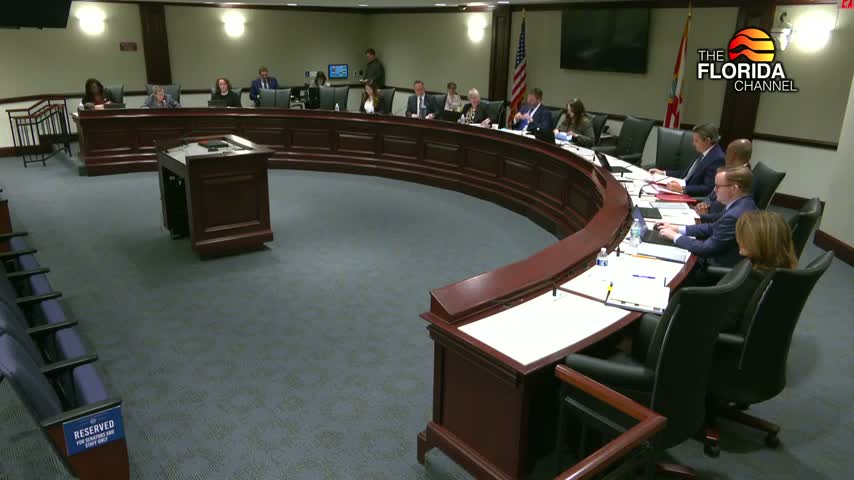
Tallahassee — The Senate Criminal Justice Committee reported SB 1544 favorably after a lengthy hearing that highlighted a sharp split between law enforcement organizations and victims’ advocates over anonymous complaints and when corroborating evidence must be provided.
Senator Kyle Pizzo (Sponsor) said the bill would require that a copy of a complaint signed under oath be provided to an officer under investigation before any interrogation begins, and that anonymous complaints would be preserved in aggregate in personnel files only if accompanied by corroborating evidence. Pizzo told senators the bill does not impose a time limit on when corroborating evidence must be supplied and said he is willing to make the language clearer.
David Marcy, general counsel for the Florida Police Chiefs Association, testified in opposition and urged amendments to avoid requiring contemporaneous corroboration from complainants. "As currently phrased, it chills the citizen's ability to complain about police misconduct without providing their anonymous... sworn complaint," Marcy said, warning that agencies use body-camera, dash-camera and GPS records to corroborate reports during follow-up investigations and that requiring complainants to supply evidence up front would place an unfair burden on victims.
Advocates for survivors and service providers, including the Florida Council Against Sexual Violence, countered that anonymous reporting has been crucial in several prosecutions and that survivors often lack direct access to body-camera or GPS evidence. Robin Graeber of the council described cases in which anonymous reports led to successful investigations and arrests and said the bill as written could undo decades of victims' rights progress in Florida.
Vice Chair Smith and other senators asked practical questions about the bill's effect on internal reviews, promotions and accreditation. Marcy said the language could conflict with national and state accreditation requirements that agencies investigate anonymous and unsworn complaints. He suggested drafting clarifications that would allow agencies to use their own existing evidence sources to corroborate anonymous reports.
Senator Pizzo repeatedly offered to refine the statutory language; he said the intent is not to prevent anonymous reports but to limit use of unverified allegations as the sole basis for adverse personnel actions. The committee recorded one no vote from Vice Chair Smith; the bill was otherwise reported favorably and will move to additional committees for further consideration and drafting.
What happens next: Sponsors said they expect follow-up drafting to clarify when corroborating evidence may be supplied and whether agency-gathered evidence can satisfy the corroboration requirement.
Senator Kyle Pizzo (Sponsor) said the bill would require that a copy of a complaint signed under oath be provided to an officer under investigation before any interrogation begins, and that anonymous complaints would be preserved in aggregate in personnel files only if accompanied by corroborating evidence. Pizzo told senators the bill does not impose a time limit on when corroborating evidence must be supplied and said he is willing to make the language clearer.
David Marcy, general counsel for the Florida Police Chiefs Association, testified in opposition and urged amendments to avoid requiring contemporaneous corroboration from complainants. "As currently phrased, it chills the citizen's ability to complain about police misconduct without providing their anonymous... sworn complaint," Marcy said, warning that agencies use body-camera, dash-camera and GPS records to corroborate reports during follow-up investigations and that requiring complainants to supply evidence up front would place an unfair burden on victims.
Advocates for survivors and service providers, including the Florida Council Against Sexual Violence, countered that anonymous reporting has been crucial in several prosecutions and that survivors often lack direct access to body-camera or GPS evidence. Robin Graeber of the council described cases in which anonymous reports led to successful investigations and arrests and said the bill as written could undo decades of victims' rights progress in Florida.
Vice Chair Smith and other senators asked practical questions about the bill's effect on internal reviews, promotions and accreditation. Marcy said the language could conflict with national and state accreditation requirements that agencies investigate anonymous and unsworn complaints. He suggested drafting clarifications that would allow agencies to use their own existing evidence sources to corroborate anonymous reports.
Senator Pizzo repeatedly offered to refine the statutory language; he said the intent is not to prevent anonymous reports but to limit use of unverified allegations as the sole basis for adverse personnel actions. The committee recorded one no vote from Vice Chair Smith; the bill was otherwise reported favorably and will move to additional committees for further consideration and drafting.
What happens next: Sponsors said they expect follow-up drafting to clarify when corroborating evidence may be supplied and whether agency-gathered evidence can satisfy the corroboration requirement.
View the Full Meeting & All Its Details
This article offers just a summary. Unlock complete video, transcripts, and insights as a Founder Member.
✓
Watch full, unedited meeting videos
✓
Search every word spoken in unlimited transcripts
✓
AI summaries & real-time alerts (all government levels)
✓
Permanent access to expanding government content
30-day money-back guarantee
