Venezuelan prisoner releases and hydrocarbon reform draw mixed reactions, analysts say
This article was created by AI summarizing key points discussed. AI makes mistakes, so for full details and context, please refer to the video of the full meeting. Please report any errors so we can fix them. Report an error »
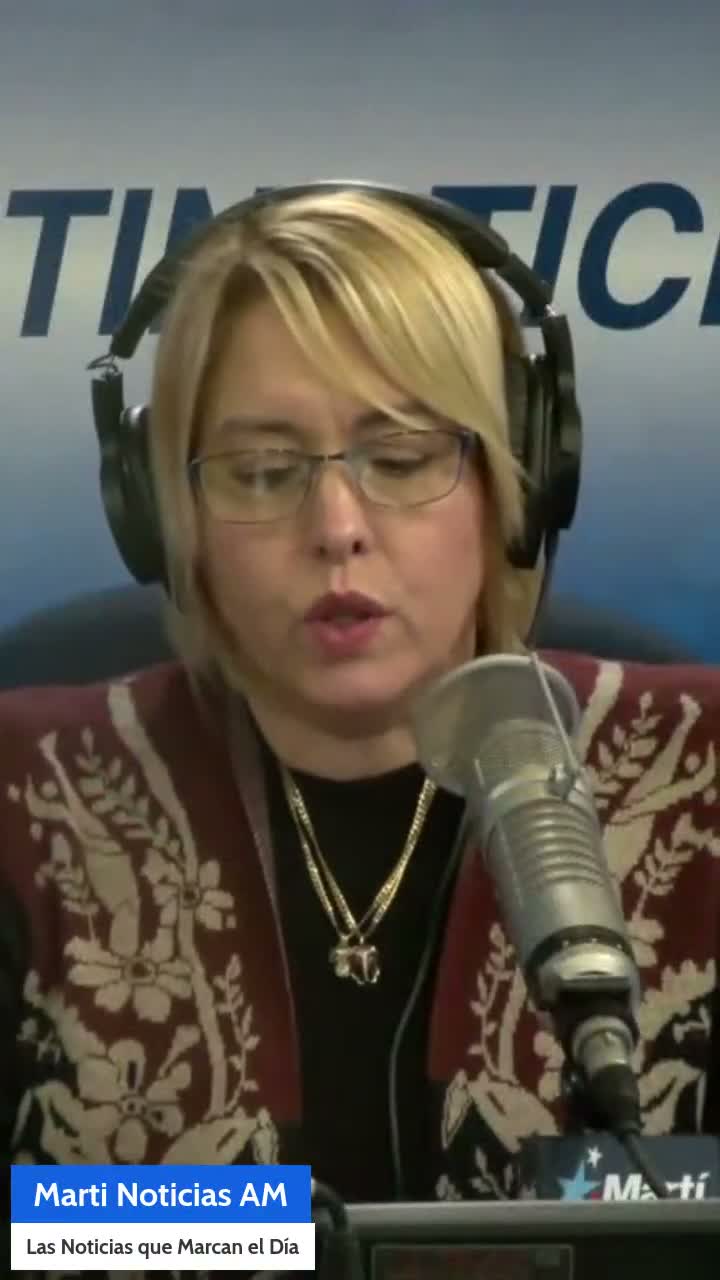
Martí Noticias AM devoted substantial airtime to recent developments in Venezuela, reporting that Foro Penal verified hundreds of excarcelations since early January and that three additional releases were confirmed overnight by a correspondent in Caracas.
The broadcast relayed statements from human-rights organizations that called the releases a “relief” but warned they are not full restitutions of rights: many beneficiaries, the program said, may face travel restrictions, requirements to report to courts or other limitations that leave open questions about whether the measures amount to lasting freedom.
An analyst interviewed about reforms to Venezuela’s hydrocarbons law argued the changes ‘‘remove parliamentary oversight’’ of contracts and shift decision-making power to the executive branch via the energy ministry. The guest said that while the measure could speed decision-making and attract short-term investment, it risks opacity and discretionary fiscal treatment that could favor narrow interests.
Why this matters: the program highlighted that political openings tied to prisoner releases and diplomatic engagement could be short-lived without institutional reforms that ensure transparency, judicial independence and accountability in contract awards.
Key quotes and claims
An on-air analyst described the reform as effectively ‘‘transfering control of contracts to the executive’’ and warned that the law does not create mandatory public publication of contract terms, independent audits or an autonomous regulator. The host and guest emphasized that in countries with weak judicial independence, removing legislative oversight increases risk of corruption.
The program also covered public reaction: student groups in Venezuela announced campus protests to demand full amnesty for political prisoners and rights organizations called the announced amnesty partial and insufficient.
Follow-up
Hosts said the show will continue to monitor the reforms’ implementation and any international responses. The program flagged the need for clarity on arbitration clauses, fiscal terms and oversight mechanisms in the new law as areas for future reporting.
The broadcast relayed statements from human-rights organizations that called the releases a “relief” but warned they are not full restitutions of rights: many beneficiaries, the program said, may face travel restrictions, requirements to report to courts or other limitations that leave open questions about whether the measures amount to lasting freedom.
An analyst interviewed about reforms to Venezuela’s hydrocarbons law argued the changes ‘‘remove parliamentary oversight’’ of contracts and shift decision-making power to the executive branch via the energy ministry. The guest said that while the measure could speed decision-making and attract short-term investment, it risks opacity and discretionary fiscal treatment that could favor narrow interests.
Why this matters: the program highlighted that political openings tied to prisoner releases and diplomatic engagement could be short-lived without institutional reforms that ensure transparency, judicial independence and accountability in contract awards.
Key quotes and claims
An on-air analyst described the reform as effectively ‘‘transfering control of contracts to the executive’’ and warned that the law does not create mandatory public publication of contract terms, independent audits or an autonomous regulator. The host and guest emphasized that in countries with weak judicial independence, removing legislative oversight increases risk of corruption.
The program also covered public reaction: student groups in Venezuela announced campus protests to demand full amnesty for political prisoners and rights organizations called the announced amnesty partial and insufficient.
Follow-up
Hosts said the show will continue to monitor the reforms’ implementation and any international responses. The program flagged the need for clarity on arbitration clauses, fiscal terms and oversight mechanisms in the new law as areas for future reporting.
Don't Miss a Word: See the Full Meeting!
Go beyond summaries. Unlock every video, transcript, and key insight with a Founder Membership.
✓
Get instant access to full meeting videos
✓
Search and clip any phrase from complete transcripts
✓
Receive AI-powered summaries & custom alerts
✓
Enjoy lifetime, unrestricted access to government data
30-day money-back guarantee
