Unidentified speaker: AI can handle routine judicial matters; judges should also mentor next generation
February 01, 2026 | Washoe County, Nevada
This article was created by AI summarizing key points discussed. AI makes mistakes, so for full details and context, please refer to the video of the full meeting. Please report any errors so we can fix them. Report an error »
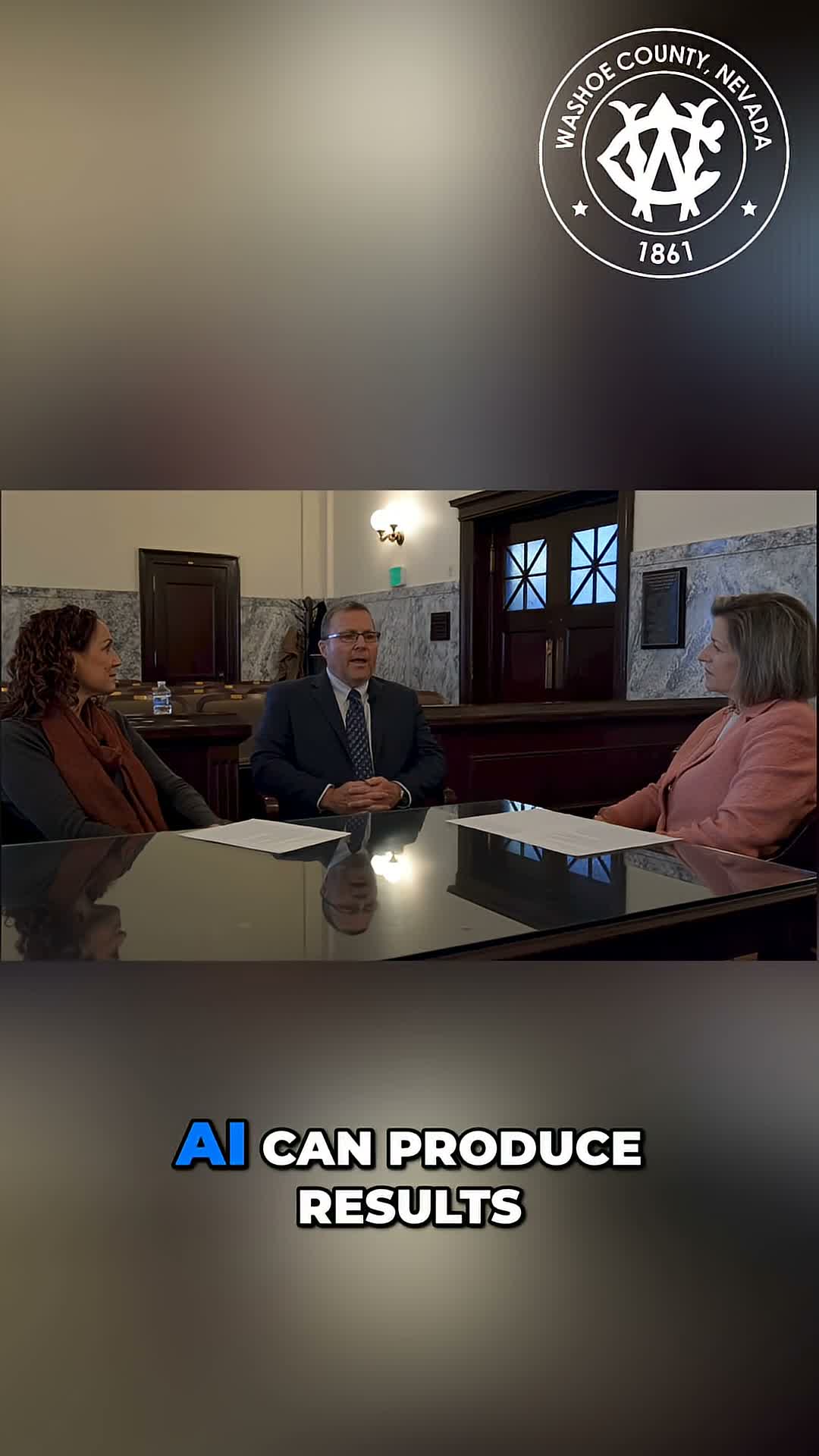
An unidentified speaker said that artificial intelligence can “produce results, on many matters that, the current judicial officers, handle,” and argued that a judge’s role should extend beyond deciding cases to mentoring future legal and judicial leaders.
The speaker said, “My view is it is not a judge's job description to merely, you know, fairly and impartially adjudicate or preside over the matters that come before them. Rather, it's to fairly and impartially adjudicate or preside over the matters that come before them and to inspire the next generation of legal and judicial leaders.” The remarks framed AI as capable of handling many routine functions while elevating mentorship as a core judicial responsibility.
The recording contains no named speakers, no references to statutes or courtroom decisions, and no motions or votes. The statement appeared as a short, standalone presentation rather than part of a recorded formal proceeding. There were no follow-up questions or responses recorded in the transcript.
Because the comments were presented as opinion rather than as a proposal tied to a specific policy, the recording does not establish any change in court policy or a formal directive. The remarks raise questions about how courts, legal educators and judicial-education programs might respond if AI reduces the time judges spend on routine tasks, but the transcript does not contain any recommendations, implementation plans, or attributions to particular courts or officials.
The recording ends with the speaker emphasizing inspiration and mentorship as an explicit part of a judge’s role; no next steps, dates, or authorities were referenced.
The speaker said, “My view is it is not a judge's job description to merely, you know, fairly and impartially adjudicate or preside over the matters that come before them. Rather, it's to fairly and impartially adjudicate or preside over the matters that come before them and to inspire the next generation of legal and judicial leaders.” The remarks framed AI as capable of handling many routine functions while elevating mentorship as a core judicial responsibility.
The recording contains no named speakers, no references to statutes or courtroom decisions, and no motions or votes. The statement appeared as a short, standalone presentation rather than part of a recorded formal proceeding. There were no follow-up questions or responses recorded in the transcript.
Because the comments were presented as opinion rather than as a proposal tied to a specific policy, the recording does not establish any change in court policy or a formal directive. The remarks raise questions about how courts, legal educators and judicial-education programs might respond if AI reduces the time judges spend on routine tasks, but the transcript does not contain any recommendations, implementation plans, or attributions to particular courts or officials.
The recording ends with the speaker emphasizing inspiration and mentorship as an explicit part of a judge’s role; no next steps, dates, or authorities were referenced.
Don't Miss a Word: See the Full Meeting!
Go beyond summaries. Unlock every video, transcript, and key insight with a Founder Membership.
✓
Get instant access to full meeting videos
✓
Search and clip any phrase from complete transcripts
✓
Receive AI-powered summaries & custom alerts
✓
Enjoy lifetime, unrestricted access to government data
30-day money-back guarantee
