Russian strikes on energy sites kill 16 miners in Dnipropetrovsk, trigger widespread blackouts
This article was created by AI summarizing key points discussed. AI makes mistakes, so for full details and context, please refer to the video of the full meeting. Please report any errors so we can fix them. Report an error »
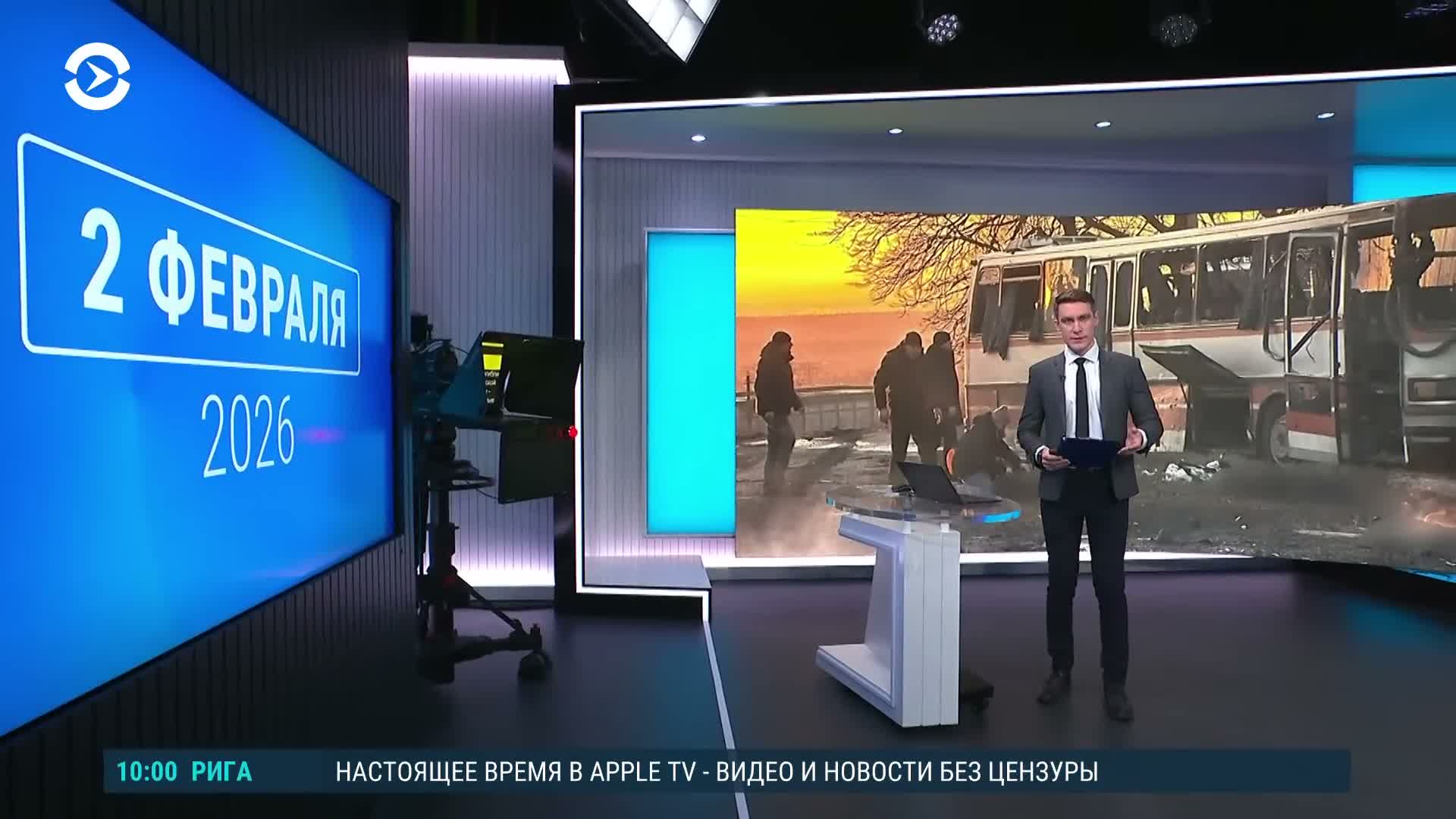
Ukrainian authorities reported that 16 people were killed and 16 wounded after Russian forces struck a service bus used by miners in Dnipropetrovsk region, the program reported at the top of its Monday broadcast. The attack came amid renewed Russian strikes on Ukrainian energy infrastructure that Kyiv says are intended to degrade power supplies ahead of winter.
The broadcast cited a government statement that the bus was hit in the town of Ternovka during a drone attack on mines that supply fuel to thermal power plants. "По данным правительства, 16 человек погибли и еще 16 ранены," the program said, citing the official casualty count.
Anchors and correspondents described a weekend blackout that affected Kyiv, Odesa and Dnipropetrovsk regions and extended into Moldova, with emergency power cuts in some places lasting "up to 15 hours a day" and metro service halted in Kyiv. Correspondent Boris Вычалко reported from Kyiv that seven regions went dark, rescuers helped people out of stopped subway trains, and many residents faced a lack of heating, water and functioning sanitation amid temperatures near −21°C.
Medical and maternity facilities were not spared: the program reported that a maternity hospital in Zaporizhzhia was hit and six people were wounded, including medical staff, while in other areas private homes were damaged and children were among the injured.
On the military and technical front, the broadcast relayed Ukrainian monitoring channels and officials who said Russian forces may be preparing further strikes using drones and that some unmanned attacks had been linked to satellite communications hardware. A Ukrainian official cited on the program said Ukrainian forces recorded "hundreds" of cases in which attacking drones were fitted with Starlink modules; the program also relayed social-media messages attributed to Elon Musk and Ukraine's digital minister saying early steps to curb unauthorized Starlink use had yielded "real results".
The program placed the renewed attacks in a diplomatic context: anchors said Kremlin sources treated a Russian-declared moratorium on strikes against Ukrainian energy facilities as ended over the weekend. The broadcast quoted statements tying diplomatic contact to the United States; it reported that Russia's special envoy Kirill Dmitriev held meetings in Miami over the weekend with U.S. interlocutors, and it cited Dmitry Peskov, identified in the program as a Kremlin spokesman, saying former U.S. President Donald Trump had asked President Vladimir Putin to refrain from strikes to create a favorable atmosphere for talks.
In an extended interview, historian and analyst Alexander Fridman told the program that Dmitriev's Miami meetings and public praise of negotiations were consistent with a Russian strategy to buy time and shape messaging, and warned that such tactical gestures do not necessarily reflect a firm Russian decision to cease strikes.
The broadcast included testimony from victims of earlier attacks in Donetsk region: resident Nikolai Meleshko described his home in Zolotye Prudy being destroyed by a Shahed drone in June 2025, the death of close family members and his current reliance on a single room heated with wood. His account provided a person-level example of civilian suffering the program said followed repeated strikes on infrastructure.
The program gave no independent confirmation of some claims made on social media and reported that officials and analysts differed on whether recent blackouts reflected technical failures, weather-related line damage, or hostile action. Russian and Ukrainian official narratives diverge on responsibility and scope. The broadcast concluded with repeated on-the-ground descriptions of outages easing in some places but with many residents still coping with heating failures and damaged housing.
The most recent procedural development reported was the announcement of a day of mourning in Dnipropetrovsk region; no new formal ceasefire or negotiated resolution was reported during the program.
The broadcast cited a government statement that the bus was hit in the town of Ternovka during a drone attack on mines that supply fuel to thermal power plants. "По данным правительства, 16 человек погибли и еще 16 ранены," the program said, citing the official casualty count.
Anchors and correspondents described a weekend blackout that affected Kyiv, Odesa and Dnipropetrovsk regions and extended into Moldova, with emergency power cuts in some places lasting "up to 15 hours a day" and metro service halted in Kyiv. Correspondent Boris Вычалко reported from Kyiv that seven regions went dark, rescuers helped people out of stopped subway trains, and many residents faced a lack of heating, water and functioning sanitation amid temperatures near −21°C.
Medical and maternity facilities were not spared: the program reported that a maternity hospital in Zaporizhzhia was hit and six people were wounded, including medical staff, while in other areas private homes were damaged and children were among the injured.
On the military and technical front, the broadcast relayed Ukrainian monitoring channels and officials who said Russian forces may be preparing further strikes using drones and that some unmanned attacks had been linked to satellite communications hardware. A Ukrainian official cited on the program said Ukrainian forces recorded "hundreds" of cases in which attacking drones were fitted with Starlink modules; the program also relayed social-media messages attributed to Elon Musk and Ukraine's digital minister saying early steps to curb unauthorized Starlink use had yielded "real results".
The program placed the renewed attacks in a diplomatic context: anchors said Kremlin sources treated a Russian-declared moratorium on strikes against Ukrainian energy facilities as ended over the weekend. The broadcast quoted statements tying diplomatic contact to the United States; it reported that Russia's special envoy Kirill Dmitriev held meetings in Miami over the weekend with U.S. interlocutors, and it cited Dmitry Peskov, identified in the program as a Kremlin spokesman, saying former U.S. President Donald Trump had asked President Vladimir Putin to refrain from strikes to create a favorable atmosphere for talks.
In an extended interview, historian and analyst Alexander Fridman told the program that Dmitriev's Miami meetings and public praise of negotiations were consistent with a Russian strategy to buy time and shape messaging, and warned that such tactical gestures do not necessarily reflect a firm Russian decision to cease strikes.
The broadcast included testimony from victims of earlier attacks in Donetsk region: resident Nikolai Meleshko described his home in Zolotye Prudy being destroyed by a Shahed drone in June 2025, the death of close family members and his current reliance on a single room heated with wood. His account provided a person-level example of civilian suffering the program said followed repeated strikes on infrastructure.
The program gave no independent confirmation of some claims made on social media and reported that officials and analysts differed on whether recent blackouts reflected technical failures, weather-related line damage, or hostile action. Russian and Ukrainian official narratives diverge on responsibility and scope. The broadcast concluded with repeated on-the-ground descriptions of outages easing in some places but with many residents still coping with heating failures and damaged housing.
The most recent procedural development reported was the announcement of a day of mourning in Dnipropetrovsk region; no new formal ceasefire or negotiated resolution was reported during the program.
View the Full Meeting & All Its Details
This article offers just a summary. Unlock complete video, transcripts, and insights as a Founder Member.
✓
Watch full, unedited meeting videos
✓
Search every word spoken in unlimited transcripts
✓
AI summaries & real-time alerts (all government levels)
✓
Permanent access to expanding government content
30-day money-back guarantee
