Utah legislative speaker urges local-state collaboration on housing, transit and gas-tax reform
January 26, 2026 | Utah League of Cities and Towns, Utah Lobbyist / NGO, Utah Legislative Branch, Utah
This article was created by AI summarizing key points discussed. AI makes mistakes, so for full details and context, please refer to the video of the full meeting. Please report any errors so we can fix them. Report an error »
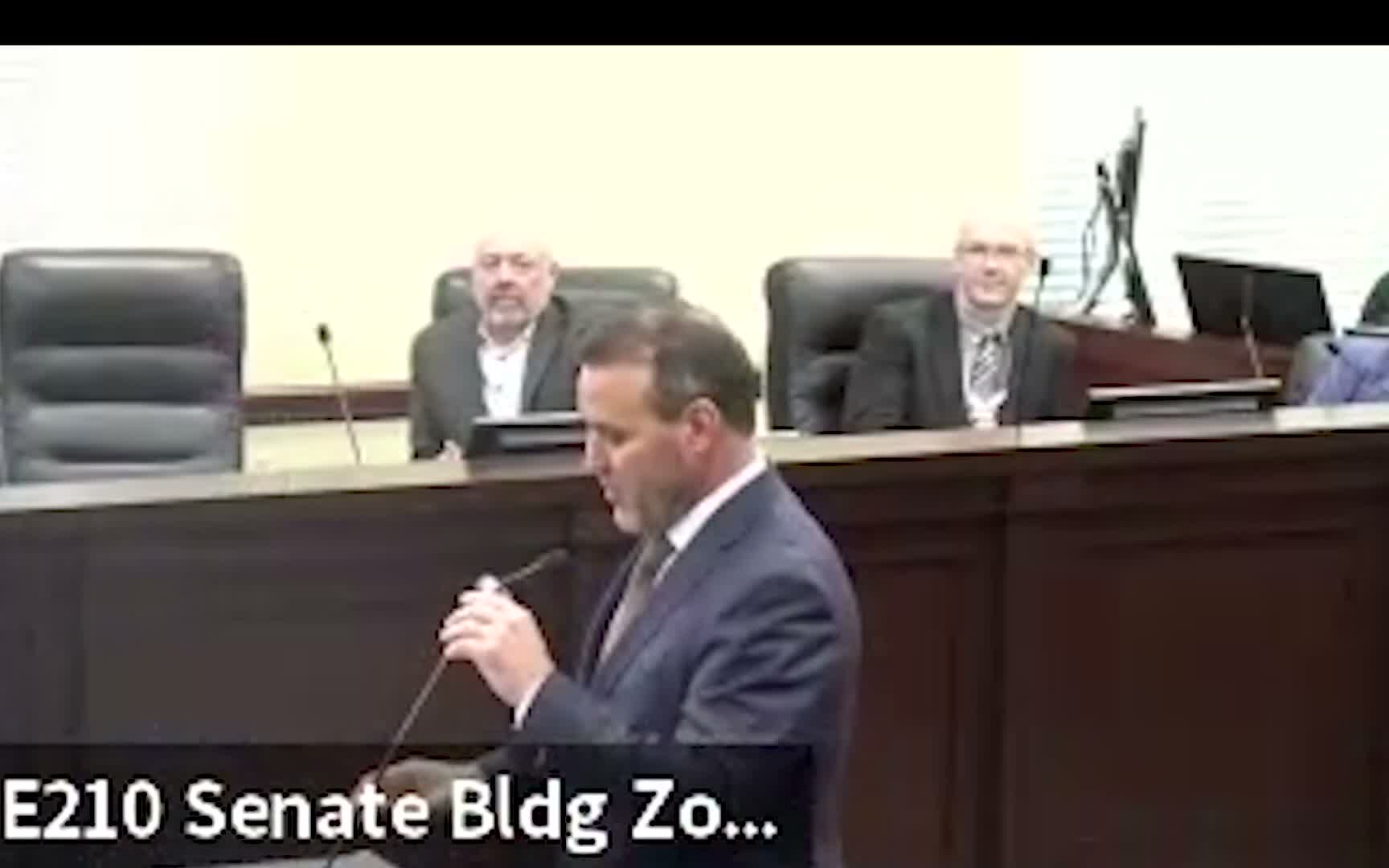
Speaker 1 told members of the Utah League of Cities and Towns that solving housing, transportation and tax problems will require state and local governments to work together rather than rely on state preemption.
"I have never been in favor of preemptions just for the record," Speaker 1 said, adding that the state should avoid taking over local zoning while still seeking shared solutions to increase starter-home supply.
He described housing as the top issue constituents raised for a second consecutive year, and argued a prior push for density helped produce thousands of apartments that — Speaker 1 said — have contributed to rent declines over the past three years. "Rent prices in the state of Utah has been coming down 3 years in a row," he said, while cautioning that market equilibrium may shift in 2026.
Speaker 1 pressed for locally tailored starter-home strategies rather than a one-size-fits-all approach. He suggested cities could use small lots, townhouses or condos depending on local conditions and repeated a legislative interest in tools to keep starter homes available to first-time buyers, including temporary deed restrictions. "We worked with you all, to put in some place for, some deed restrictions, on certain types of housing products for a period of years," he said, describing three-year restrictions discussed in prior work.
On financing infrastructure that unlocks housing, Speaker 1 said Representative Cal Roberts is pursuing a fund to help pay for water tanks, lift stations and similar projects. "It's not a grant, but it would be a loan, and it could get paid back through building permits or other revenue sources," he said, urging cities to consider the option to move approved lots into development.
Turning to transportation, Speaker 1 recounted the 2017 transportation task force that restructured the Utah Transit Authority (UTA) governance model and said that state investment in transit across the Wasatch Front followed from that work. When a mayor in the audience asked about a new bill to restructure UTA again, Speaker 1 acknowledged concerns about shifting governance but described the proposal as a potential middle ground and said sponsors including Representative Kristofferson and Senator Harper are pursuing it.
Speaker 1 also outlined a proposal, developed with Representative Cal Roberts, to broaden the gasoline tax base so every gallon produced in Utah would contribute to the tax (including gallons shipped out of state). He said the goal would be to lower the per-gallon tax rate while preserving current distributions — with 30% of revenue continuing to flow to local governments — and estimated the change could reduce pump prices by about 10 to 20 cents. "You will receive the same amount of money… The distribution amounts would stay the same," he said.
Audience members pressed for broader, integrated problem solving. Victoria, an attendee, told the speaker that housing policy should also address water and air quality and emphasized equity and the ability for households to build ownership. Speaker 1 responded that different communities will need different solutions and urged removing partisanship from local planning decisions.
The session closed with Speaker 1 and moderator Cam emphasizing Utah's tradition of cross-branch and local-state collaboration as the best path to produce practical outcomes for constituents. The discussion concluded with an invitation for continued communication and partnership; no formal votes or motions were taken during the session.
"I have never been in favor of preemptions just for the record," Speaker 1 said, adding that the state should avoid taking over local zoning while still seeking shared solutions to increase starter-home supply.
He described housing as the top issue constituents raised for a second consecutive year, and argued a prior push for density helped produce thousands of apartments that — Speaker 1 said — have contributed to rent declines over the past three years. "Rent prices in the state of Utah has been coming down 3 years in a row," he said, while cautioning that market equilibrium may shift in 2026.
Speaker 1 pressed for locally tailored starter-home strategies rather than a one-size-fits-all approach. He suggested cities could use small lots, townhouses or condos depending on local conditions and repeated a legislative interest in tools to keep starter homes available to first-time buyers, including temporary deed restrictions. "We worked with you all, to put in some place for, some deed restrictions, on certain types of housing products for a period of years," he said, describing three-year restrictions discussed in prior work.
On financing infrastructure that unlocks housing, Speaker 1 said Representative Cal Roberts is pursuing a fund to help pay for water tanks, lift stations and similar projects. "It's not a grant, but it would be a loan, and it could get paid back through building permits or other revenue sources," he said, urging cities to consider the option to move approved lots into development.
Turning to transportation, Speaker 1 recounted the 2017 transportation task force that restructured the Utah Transit Authority (UTA) governance model and said that state investment in transit across the Wasatch Front followed from that work. When a mayor in the audience asked about a new bill to restructure UTA again, Speaker 1 acknowledged concerns about shifting governance but described the proposal as a potential middle ground and said sponsors including Representative Kristofferson and Senator Harper are pursuing it.
Speaker 1 also outlined a proposal, developed with Representative Cal Roberts, to broaden the gasoline tax base so every gallon produced in Utah would contribute to the tax (including gallons shipped out of state). He said the goal would be to lower the per-gallon tax rate while preserving current distributions — with 30% of revenue continuing to flow to local governments — and estimated the change could reduce pump prices by about 10 to 20 cents. "You will receive the same amount of money… The distribution amounts would stay the same," he said.
Audience members pressed for broader, integrated problem solving. Victoria, an attendee, told the speaker that housing policy should also address water and air quality and emphasized equity and the ability for households to build ownership. Speaker 1 responded that different communities will need different solutions and urged removing partisanship from local planning decisions.
The session closed with Speaker 1 and moderator Cam emphasizing Utah's tradition of cross-branch and local-state collaboration as the best path to produce practical outcomes for constituents. The discussion concluded with an invitation for continued communication and partnership; no formal votes or motions were taken during the session.
View the Full Meeting & All Its Details
This article offers just a summary. Unlock complete video, transcripts, and insights as a Founder Member.
✓
Watch full, unedited meeting videos
✓
Search every word spoken in unlimited transcripts
✓
AI summaries & real-time alerts (all government levels)
✓
Permanent access to expanding government content
30-day money-back guarantee
