Lawmakers consider expanding charitable bingo to include music bingo and raising prize limits
January 26, 2026 | 2026 Legislature NE, Nebraska
This article was created by AI summarizing key points discussed. AI makes mistakes, so for full details and context, please refer to the video of the full meeting. Please report any errors so we can fix them. Report an error »
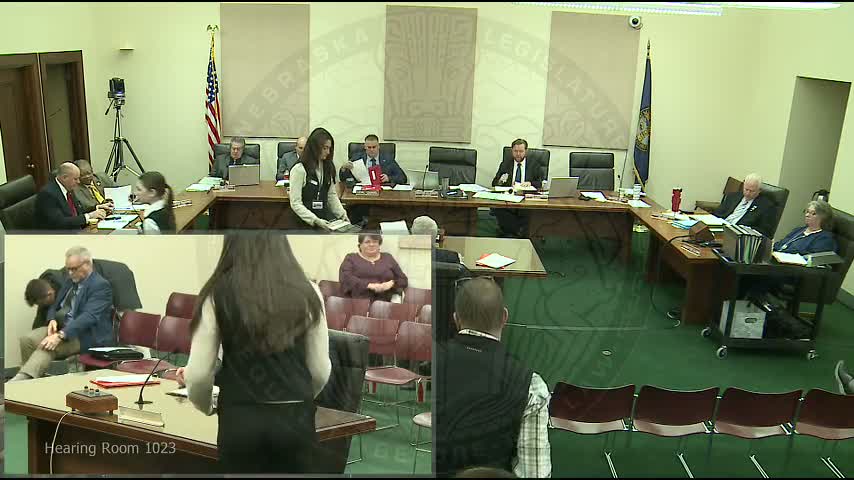
Senator Rick Holcroft told the committee LB1047 updates the Nebraska Bingo Act to (1) include music bingo as a form of charitable bingo—limited to special-event licenses and capped at four events per year—and (2) increase the per-card fee and single-game prize limit for special-event bingo from $0.25 and $25 to $1 and $50, respectively.
Elliot Piper, owner of Music Bingo People, described music bingo operations for senior centers and fundraisers, saying the events are low-cost, community-oriented fundraisers and that his company runs roughly 1,100 games a year. "Music bingo has been my full-time job for about seven years," Piper said, describing senior-center games that use 24-song cards and small donated prizes.
Angela Grody of Scott Catholic High School and Tom Benzer of the Nebraska Catholic Conference said music bingo modernizes nonprofits' fundraising toolkits and helps attract multigenerational participation; Grody said it would help the school's tuition-assistance fundraising. Proponents emphasized safeguards—limiting music bingo to special-event licenses rather than creating new class licenses—and said prizes are typically donated goods or gift cards rather than large cash payouts.
Brian Rockey of the Charitable Gaming Division testified in a neutral capacity and recommended including music bingo in the special-event category and raising the event limit from 2 to 4 per year to accomplish sponsors' intent while avoiding regulatory complexity. He also explained that increasing the per-card fee helps organizations recoup production costs.
Senators asked about prize-cap mechanics, the total value that could be awarded in an evening, controls on carding and age limits where relevant, and whether music-bingo events typically feature cash or donated prizes. Proponents said most music-bingo prizes are donated and that moderation and event caps would avoid market disruption.
The committee closed testimony; the sponsor signaled a forthcoming amendment to ensure music bingo fits the special-event structure and does not interfere with class 1/2 licenses.
Elliot Piper, owner of Music Bingo People, described music bingo operations for senior centers and fundraisers, saying the events are low-cost, community-oriented fundraisers and that his company runs roughly 1,100 games a year. "Music bingo has been my full-time job for about seven years," Piper said, describing senior-center games that use 24-song cards and small donated prizes.
Angela Grody of Scott Catholic High School and Tom Benzer of the Nebraska Catholic Conference said music bingo modernizes nonprofits' fundraising toolkits and helps attract multigenerational participation; Grody said it would help the school's tuition-assistance fundraising. Proponents emphasized safeguards—limiting music bingo to special-event licenses rather than creating new class licenses—and said prizes are typically donated goods or gift cards rather than large cash payouts.
Brian Rockey of the Charitable Gaming Division testified in a neutral capacity and recommended including music bingo in the special-event category and raising the event limit from 2 to 4 per year to accomplish sponsors' intent while avoiding regulatory complexity. He also explained that increasing the per-card fee helps organizations recoup production costs.
Senators asked about prize-cap mechanics, the total value that could be awarded in an evening, controls on carding and age limits where relevant, and whether music-bingo events typically feature cash or donated prizes. Proponents said most music-bingo prizes are donated and that moderation and event caps would avoid market disruption.
The committee closed testimony; the sponsor signaled a forthcoming amendment to ensure music bingo fits the special-event structure and does not interfere with class 1/2 licenses.
View the Full Meeting & All Its Details
This article offers just a summary. Unlock complete video, transcripts, and insights as a Founder Member.
✓
Watch full, unedited meeting videos
✓
Search every word spoken in unlimited transcripts
✓
AI summaries & real-time alerts (all government levels)
✓
Permanent access to expanding government content
30-day money-back guarantee
