Rural hospitals and clinics urge oversight after Michigan's application emphasized competitive grants over direct stabilization
January 21, 2026 | Appropriations, House of Representative, Committees , Legislative, Michigan
This article was created by AI summarizing key points discussed. AI makes mistakes, so for full details and context, please refer to the video of the full meeting. Please report any errors so we can fix them. Report an error »
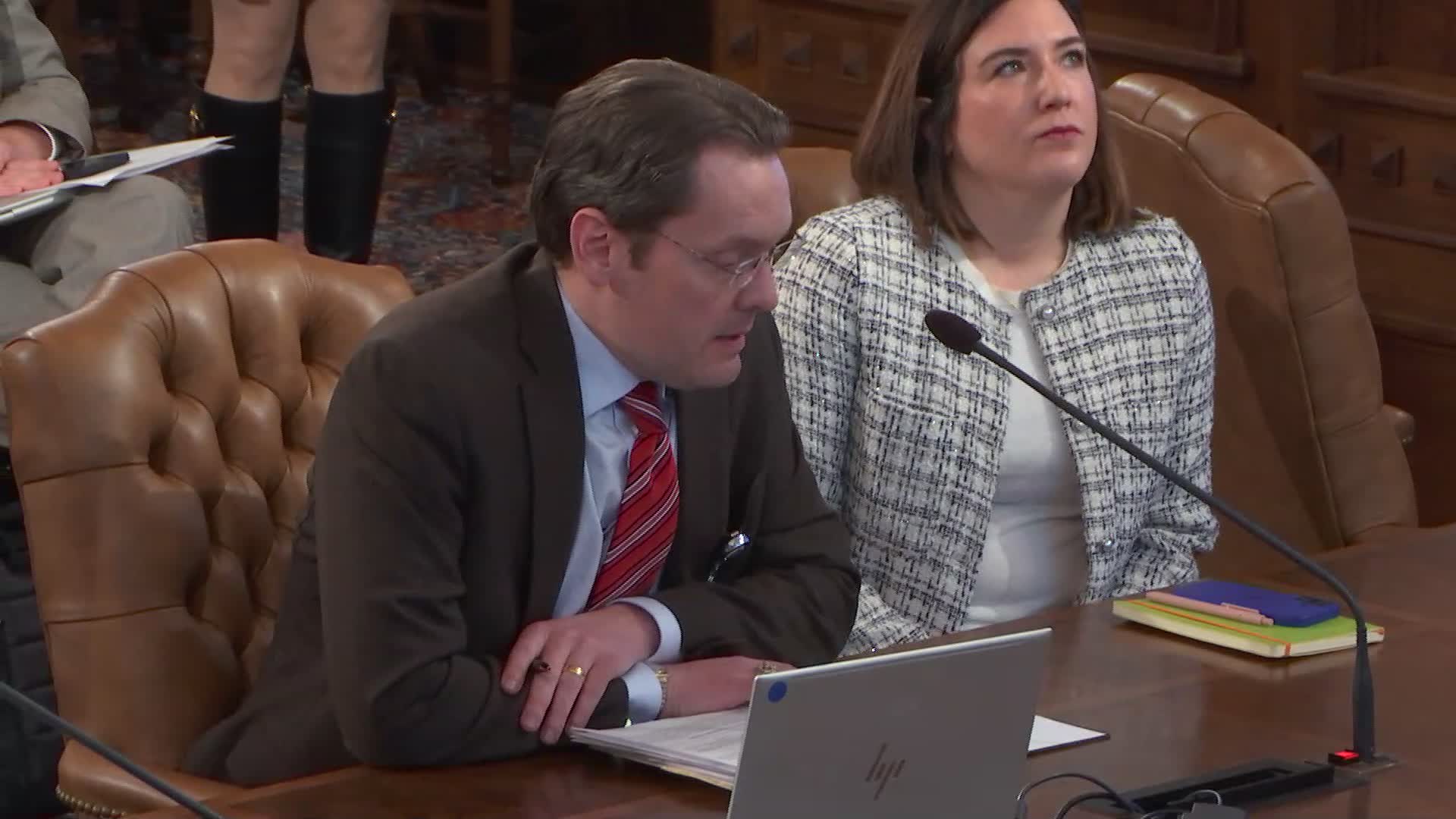
Stakeholders from rural hospitals, community mental health and primary care told the House Appropriations Committee that Michigan's Rural Health Transformation application emphasized new administrative structures and competitive grant models instead of direct stabilization funding that could immediately support struggling rural hospitals.
Ben Frederick, associate vice president for advocacy at Memorial Healthcare, described the operational realities for independent rural hospitals and said the final application did not reflect hospital-driven stabilization recommendations developed in earlier stakeholder subcommittees. Frederick cited 11 rural obstetrics program closures since 2010 and said "we now have fewer than 25 rural birthing programs in the entire state," arguing those service-line risks require targeted, immediate support.
Alan Bolger of the Community Mental Health Association of Michigan echoed workforce concerns and highlighted proposed stipend and scholarship elements in the state application intended to recruit and retain social workers and other clinicians. Philip Bergquist of the Michigan Primary Care Association urged reducing administrative barriers for community health centers and investing in telehealth and interoperable electronic health records to reduce duplicative testing and improve continuity of care.
Witnesses urged the Legislature to engage in ongoing oversight and to press CMS for clarity on allowable stabilization activities. Memorial and other providers recommended continued committee engagement with CMS and MDHHS to see whether remaining federal guidance or future CMS feedback would permit or justify more direct stabilization funding rather than mainly competitive grant programs.
The committee heard these concerns and indicated it will follow up with MDHHS and House Fiscal Agency staff as the state revises its budget submission to CMS and moves toward contracting and grant solicitation.
Ben Frederick, associate vice president for advocacy at Memorial Healthcare, described the operational realities for independent rural hospitals and said the final application did not reflect hospital-driven stabilization recommendations developed in earlier stakeholder subcommittees. Frederick cited 11 rural obstetrics program closures since 2010 and said "we now have fewer than 25 rural birthing programs in the entire state," arguing those service-line risks require targeted, immediate support.
Alan Bolger of the Community Mental Health Association of Michigan echoed workforce concerns and highlighted proposed stipend and scholarship elements in the state application intended to recruit and retain social workers and other clinicians. Philip Bergquist of the Michigan Primary Care Association urged reducing administrative barriers for community health centers and investing in telehealth and interoperable electronic health records to reduce duplicative testing and improve continuity of care.
Witnesses urged the Legislature to engage in ongoing oversight and to press CMS for clarity on allowable stabilization activities. Memorial and other providers recommended continued committee engagement with CMS and MDHHS to see whether remaining federal guidance or future CMS feedback would permit or justify more direct stabilization funding rather than mainly competitive grant programs.
The committee heard these concerns and indicated it will follow up with MDHHS and House Fiscal Agency staff as the state revises its budget submission to CMS and moves toward contracting and grant solicitation.
Don't Miss a Word: See the Full Meeting!
Go beyond summaries. Unlock every video, transcript, and key insight with a Founder Membership.
✓
Get instant access to full meeting videos
✓
Search and clip any phrase from complete transcripts
✓
Receive AI-powered summaries & custom alerts
✓
Enjoy lifetime, unrestricted access to government data
30-day money-back guarantee
