House panel reviews H.841 to expand Vermont’s Division of Animal Welfare, require outdoor cat vaccinations and set licensing rules
January 31, 2026 | Government Operations & Military Affairs, HOUSE OF REPRESENTATIVES, Committees, Legislative , Vermont
This article was created by AI summarizing key points discussed. AI makes mistakes, so for full details and context, please refer to the video of the full meeting. Please report any errors so we can fix them. Report an error »
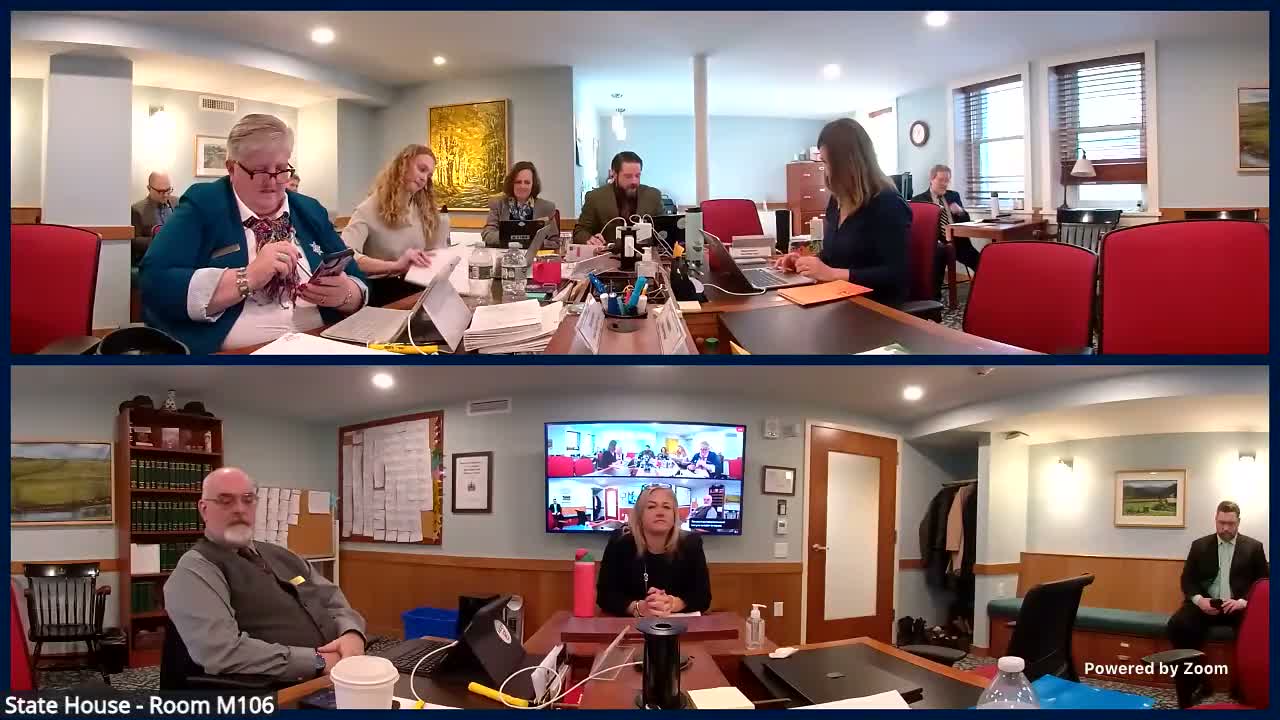
Representative Shay Waters Evans, sponsor of H.841, told the House Government Operations and Military Affairs committee on Jan. 30 that the bill is intended to consolidate scattered animal-related statutes and give Vermont’s Division of Animal Welfare clearer authority to prevent and respond to animal mistreatment.
"There were some goats in Charlotte that were being mistreated," Waters Evans said, describing a case in which local and state agencies deferred responsibility. The anecdote framed the bill’s goal of creating a single, better-resourced point of contact for animal-welfare enforcement within the Department of Public Safety.
The bill would formally add rulemaking, inspection and some licensing powers to the Division of Animal Welfare (Title 20, chapter 190). It directs the director to adopt rules on several mandatory items, including a definition of "outdoor cat" and requirements that outdoor cats be vaccinated for rabies, spayed or neutered and licensed. Waters Evans and legislative counsel said indoor cats that use a screened-in enclosure (“catios”) would not be treated as outdoor cats for the requirement.
H.841 also would authorize a certified rabies vaccinator program overseen by the director. The program is designed to train and certify humane officers and similar volunteers to administer rabies inoculations in places with limited veterinary access; counsel said the director would set program details and training standards by rule. The bill includes a liability-protection provision, making certified vaccinators immune from liability "to the same extent as volunteers" when conducting inoculations.
The bill would expand the director’s inspection authority to pet dealers, animal shelters, rescue organizations and kennels and add the director to entities that can take licensing actions such as notices of violation or license suspension and revocation. Pet dealers would be added to the list of entities subject to existing criminal penalties for operating without a license or failing to meet housing and care standards; counsel noted the statute currently provides fines and, in some cases, misdemeanor penalties (the bill applies existing penalties to the newly covered categories).
H.841 sets regulatory limits on ownership and certain species. The bill would cap a person’s count of unaltered dogs at 35, excluding dogs under four months and dogs that have been spayed or neutered; legislative counsel said the exclusion means many animals would not count toward the cap. For wolf hybrids, the bill would require documentation that animals six months or older are spayed or neutered as a condition of licensure and would prohibit possession of unaltered wolf hybrids under the amended scheme.
The bill also would require shelters and rescue organizations to report specified intake and animal data to the director of animal welfare to centralize information used for policymaking and budgeting. It would add pet dealers to the list of entities that must hold registration certificates and, for Vermont-based advertisements, require disclosure of the organization’s current location and registration number; similar social-media disclosures would apply to Vermont-based advertisers or those covered under the importation section.
On imports, H.841 would require animals brought into Vermont for sale by an out-of-state shelter or rescue to be licensed in their state of origin and accompanied by an official health certificate from a licensed veterinarian in the origin jurisdiction. The bill would also make the animal welfare fund eligible to accept gifts and donations and add a voluntary income-tax checkoff so taxpayers can contribute to the fund.
Representative and committee members asked several clarifying questions during the session about implementation: how fees would be set, whether the 35-dog limit would affect hobbyists or licensed kennels, and whether overlapping inspection or licensing authority could create confusion. Waters Evans and legislative counsel said fee-setting would generally be left to the director through rulemaking, that licensed kennels and spayed/neutered dogs are carved out of the count, and counsel recommended coordination among agencies to avoid duplication with municipal animal control officers and the Agency of Agriculture.
Lisa Millet, director of animal welfare, clarified during discussion that pet shops are not allowed to sell cats and dogs in Vermont but may sell rabbits and reptiles and that the Agency of Agriculture licenses those establishments.
Legislative counsel noted the House Judiciary Committee is considering a separate, longer bill addressing criminal animal-cruelty provisions in Title 13 and that staff are watching for overlap so the two measures are not in conflict. The committee did not take a vote on H.841 during the session and discussed returning to language review the following week.
The act would take effect on passage if enacted.
"There were some goats in Charlotte that were being mistreated," Waters Evans said, describing a case in which local and state agencies deferred responsibility. The anecdote framed the bill’s goal of creating a single, better-resourced point of contact for animal-welfare enforcement within the Department of Public Safety.
The bill would formally add rulemaking, inspection and some licensing powers to the Division of Animal Welfare (Title 20, chapter 190). It directs the director to adopt rules on several mandatory items, including a definition of "outdoor cat" and requirements that outdoor cats be vaccinated for rabies, spayed or neutered and licensed. Waters Evans and legislative counsel said indoor cats that use a screened-in enclosure (“catios”) would not be treated as outdoor cats for the requirement.
H.841 also would authorize a certified rabies vaccinator program overseen by the director. The program is designed to train and certify humane officers and similar volunteers to administer rabies inoculations in places with limited veterinary access; counsel said the director would set program details and training standards by rule. The bill includes a liability-protection provision, making certified vaccinators immune from liability "to the same extent as volunteers" when conducting inoculations.
The bill would expand the director’s inspection authority to pet dealers, animal shelters, rescue organizations and kennels and add the director to entities that can take licensing actions such as notices of violation or license suspension and revocation. Pet dealers would be added to the list of entities subject to existing criminal penalties for operating without a license or failing to meet housing and care standards; counsel noted the statute currently provides fines and, in some cases, misdemeanor penalties (the bill applies existing penalties to the newly covered categories).
H.841 sets regulatory limits on ownership and certain species. The bill would cap a person’s count of unaltered dogs at 35, excluding dogs under four months and dogs that have been spayed or neutered; legislative counsel said the exclusion means many animals would not count toward the cap. For wolf hybrids, the bill would require documentation that animals six months or older are spayed or neutered as a condition of licensure and would prohibit possession of unaltered wolf hybrids under the amended scheme.
The bill also would require shelters and rescue organizations to report specified intake and animal data to the director of animal welfare to centralize information used for policymaking and budgeting. It would add pet dealers to the list of entities that must hold registration certificates and, for Vermont-based advertisements, require disclosure of the organization’s current location and registration number; similar social-media disclosures would apply to Vermont-based advertisers or those covered under the importation section.
On imports, H.841 would require animals brought into Vermont for sale by an out-of-state shelter or rescue to be licensed in their state of origin and accompanied by an official health certificate from a licensed veterinarian in the origin jurisdiction. The bill would also make the animal welfare fund eligible to accept gifts and donations and add a voluntary income-tax checkoff so taxpayers can contribute to the fund.
Representative and committee members asked several clarifying questions during the session about implementation: how fees would be set, whether the 35-dog limit would affect hobbyists or licensed kennels, and whether overlapping inspection or licensing authority could create confusion. Waters Evans and legislative counsel said fee-setting would generally be left to the director through rulemaking, that licensed kennels and spayed/neutered dogs are carved out of the count, and counsel recommended coordination among agencies to avoid duplication with municipal animal control officers and the Agency of Agriculture.
Lisa Millet, director of animal welfare, clarified during discussion that pet shops are not allowed to sell cats and dogs in Vermont but may sell rabbits and reptiles and that the Agency of Agriculture licenses those establishments.
Legislative counsel noted the House Judiciary Committee is considering a separate, longer bill addressing criminal animal-cruelty provisions in Title 13 and that staff are watching for overlap so the two measures are not in conflict. The committee did not take a vote on H.841 during the session and discussed returning to language review the following week.
The act would take effect on passage if enacted.
View the Full Meeting & All Its Details
This article offers just a summary. Unlock complete video, transcripts, and insights as a Founder Member.
✓
Watch full, unedited meeting videos
✓
Search every word spoken in unlimited transcripts
✓
AI summaries & real-time alerts (all government levels)
✓
Permanent access to expanding government content
30-day money-back guarantee
