Committee previews three-part plastics bill banning some chemical-recycling facilities, restricting DEHP in medical products and limiting microbeads
January 31, 2026 | Natural Resources & Energy, SENATE, Committees, Legislative , Vermont
This article was created by AI summarizing key points discussed. AI makes mistakes, so for full details and context, please refer to the video of the full meeting. Please report any errors so we can fix them. Report an error »
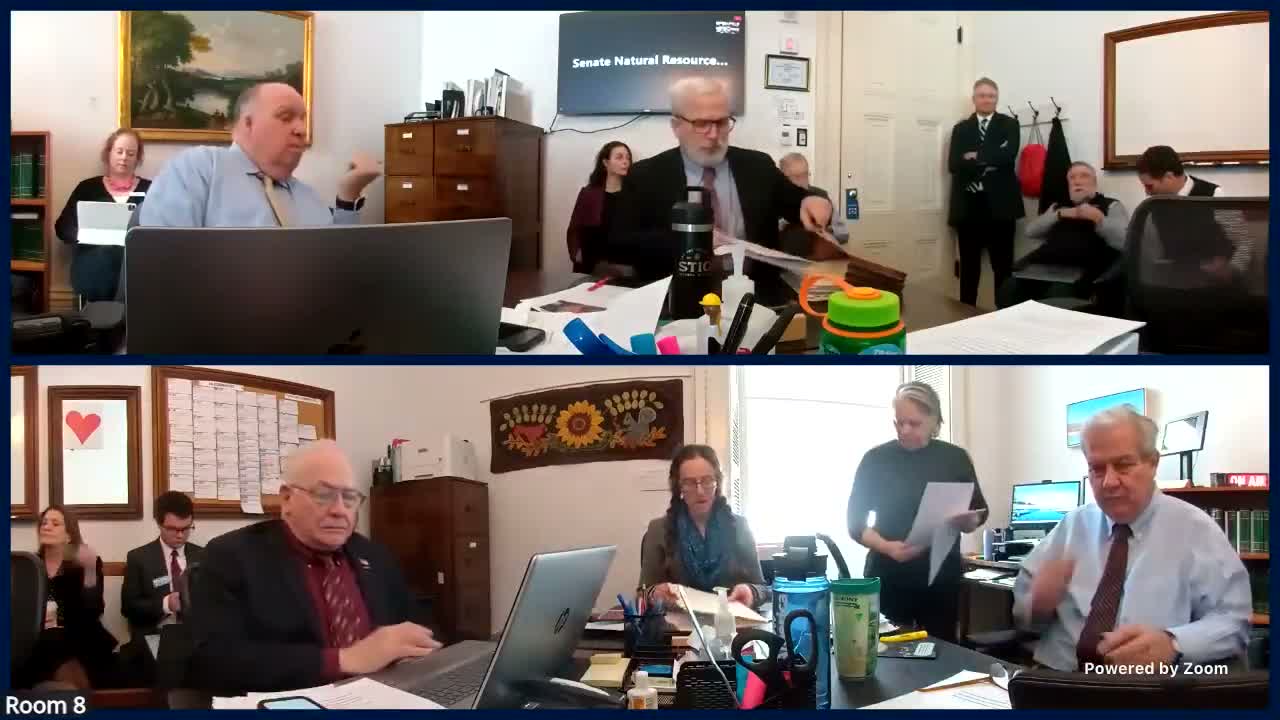
Legislative counsel presented Senate Bill S.247 to the Natural Resources & Energy committee, describing a three-part measure that addresses chemical conversion technologies (commonly called advanced or chemical recycling), the phthalate DEHP in medical devices and microplastics in consumer products.
On the first component, counsel said the bill would define “chemical conversion” broadly (including pyrolysis, gasification, solvolysis, methanolysis and similar processes) and prohibit use of plastic as the feedstock for such facilities in Vermont. Counsel explained the prohibition would bar construction, operation or conversion of facilities using those technologies and would prevent state grants, subsidies or incentives from supporting such facilities. “Person shall not use or operate chemical conversion technologies in the state,” counsel summarized.
Committee members raised questions about whether recycling uses of those technologies would be covered and whether existing permitted facilities would be immediately affected. Counsel said the language would prohibit any facility using the defined chemical conversion technologies, including conversion of an existing certified solid-waste facility into a chemical-conversion facility; enforcement would generally fall under agency enforcement authority.
The second component addresses DEHP (di‑2‑ethylhexyl phthalate). Counsel described separate provisions for intentionally added DEHP and unintentionally present DEHP in medical solution containers, tubing and related devices. The draft phases in effective dates: manufacturers, sellers and distributors would face prohibitions on intentionally added DEHP after staged compliance dates, and the draft sets a numeric limit for unintentionally present DEHP (the draft caps byproduct DEHP at 2.1% by weight—committee counsel noted the draft’s numeric phrasing and the need to reconcile the exact percentage in follow-up drafting). Counsel also listed exemptions for certain blood collection and storage bags and similar specialized products.
The third component would prohibit sale or distribution of certain consumer products containing plastic microbeads used as abrasives or exfoliants in personal care and cleaning products. Counsel noted existing federal law — the Microbead-Free Waters Act of 2015 — preempts some state restrictions for rinse-off cosmetics and advised the committee to include a clause that the state statute not apply to federally preempted product categories or that it be interpreted to comply with federal preemption.
On enforcement, counsel said different enforcement tools are available depending on the section: ANR and the Department of Health have default enforcement authority and civil penalty authority in their chapters, and violations could also be framed as Consumer Protection Act claims enforceable by the Attorney General and private parties.
Committee members asked for more written clarification about which recycling processes are covered and how enforcement would be implemented; counsel recommended consulting agency staff and advocates to refine exemptions and enforcement language before the bill is taken up for testimony.
On the first component, counsel said the bill would define “chemical conversion” broadly (including pyrolysis, gasification, solvolysis, methanolysis and similar processes) and prohibit use of plastic as the feedstock for such facilities in Vermont. Counsel explained the prohibition would bar construction, operation or conversion of facilities using those technologies and would prevent state grants, subsidies or incentives from supporting such facilities. “Person shall not use or operate chemical conversion technologies in the state,” counsel summarized.
Committee members raised questions about whether recycling uses of those technologies would be covered and whether existing permitted facilities would be immediately affected. Counsel said the language would prohibit any facility using the defined chemical conversion technologies, including conversion of an existing certified solid-waste facility into a chemical-conversion facility; enforcement would generally fall under agency enforcement authority.
The second component addresses DEHP (di‑2‑ethylhexyl phthalate). Counsel described separate provisions for intentionally added DEHP and unintentionally present DEHP in medical solution containers, tubing and related devices. The draft phases in effective dates: manufacturers, sellers and distributors would face prohibitions on intentionally added DEHP after staged compliance dates, and the draft sets a numeric limit for unintentionally present DEHP (the draft caps byproduct DEHP at 2.1% by weight—committee counsel noted the draft’s numeric phrasing and the need to reconcile the exact percentage in follow-up drafting). Counsel also listed exemptions for certain blood collection and storage bags and similar specialized products.
The third component would prohibit sale or distribution of certain consumer products containing plastic microbeads used as abrasives or exfoliants in personal care and cleaning products. Counsel noted existing federal law — the Microbead-Free Waters Act of 2015 — preempts some state restrictions for rinse-off cosmetics and advised the committee to include a clause that the state statute not apply to federally preempted product categories or that it be interpreted to comply with federal preemption.
On enforcement, counsel said different enforcement tools are available depending on the section: ANR and the Department of Health have default enforcement authority and civil penalty authority in their chapters, and violations could also be framed as Consumer Protection Act claims enforceable by the Attorney General and private parties.
Committee members asked for more written clarification about which recycling processes are covered and how enforcement would be implemented; counsel recommended consulting agency staff and advocates to refine exemptions and enforcement language before the bill is taken up for testimony.
Don't Miss a Word: See the Full Meeting!
Go beyond summaries. Unlock every video, transcript, and key insight with a Founder Membership.
✓
Get instant access to full meeting videos
✓
Search and clip any phrase from complete transcripts
✓
Receive AI-powered summaries & custom alerts
✓
Enjoy lifetime, unrestricted access to government data
30-day money-back guarantee
