Rep. Scott presents nonbinding energy‑storage goals: 200 MW by 2030, 800 MW by 2040
January 31, 2026 | Environment & Energy, HOUSE OF REPRESENTATIVES, Committees, Legislative , Vermont
This article was created by AI summarizing key points discussed. AI makes mistakes, so for full details and context, please refer to the video of the full meeting. Please report any errors so we can fix them. Report an error »
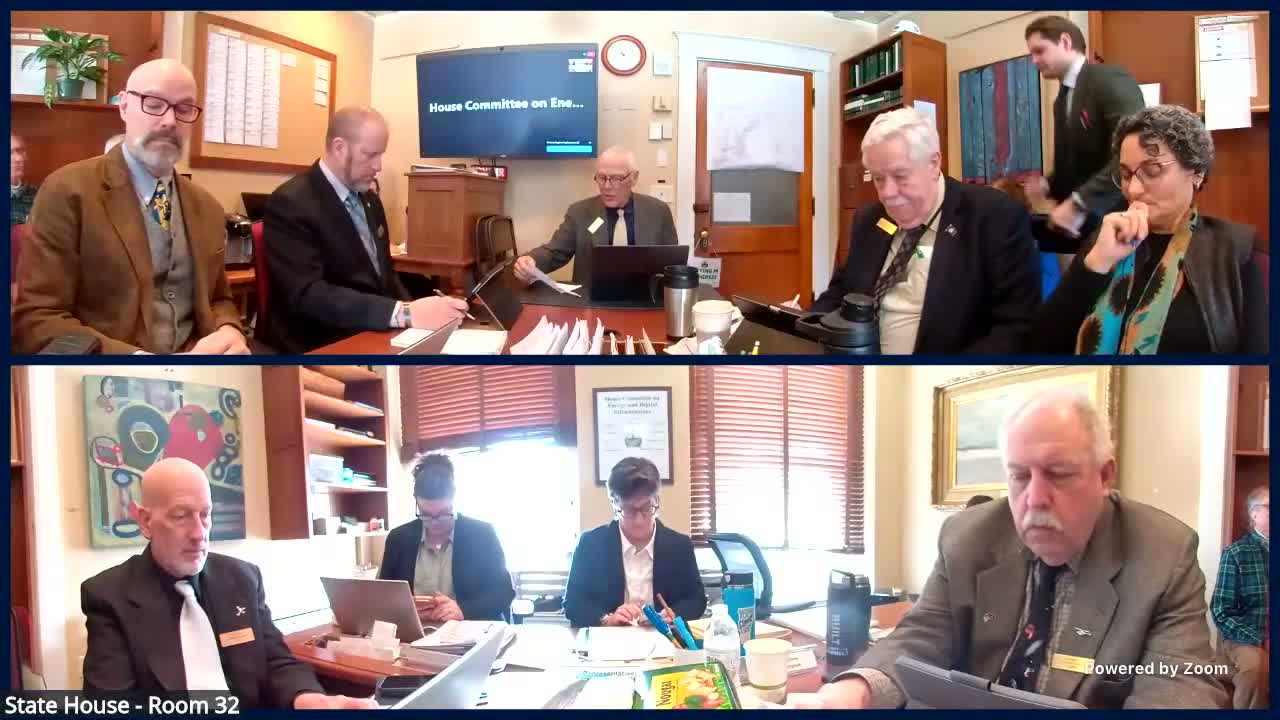
Representative Scott introduced H.631 as a policy measure to establish state energy storage goals rather than mandates. He said the goals are intended to give planners and utilities a common set of targets to inform comprehensive energy and regional plans and to reduce reliance on expensive spot market purchases at peak times.
The bill as presented lists three milestones: 200 megawatts by Jan. 1, 2030; 450 megawatts by 2035; and 800 megawatts by 2040. Scott noted Vermont already has roughly 85 megawatts deployed and about 18.9 megawatts under construction, but that meeting the proposed goals would materially change how the system manages peaks and integrates intermittent resources.
Committee members asked whether the goals include residential 'behind‑the‑meter' batteries and vehicle‑to‑grid technologies. The sponsor said the statute will need definitions and that the commission would set thresholds and clarify what counts toward goals. He described the measure as a policy statement that could be used in future comprehensive energy and regional planning processes.
Members also pressed on costs and whether goals could unintentionally become ceilings. The sponsor said the goals are nonbinding and meant to be aspirational; he welcomed further testimony from utilities, the Department of Public Service, and other stakeholders to refine numbers and incentives.
The committee did not vote; members signaled interest in taking testimony on technology definitions, incentive mechanisms and disposal/decommissioning issues associated with battery storage.
The bill as presented lists three milestones: 200 megawatts by Jan. 1, 2030; 450 megawatts by 2035; and 800 megawatts by 2040. Scott noted Vermont already has roughly 85 megawatts deployed and about 18.9 megawatts under construction, but that meeting the proposed goals would materially change how the system manages peaks and integrates intermittent resources.
Committee members asked whether the goals include residential 'behind‑the‑meter' batteries and vehicle‑to‑grid technologies. The sponsor said the statute will need definitions and that the commission would set thresholds and clarify what counts toward goals. He described the measure as a policy statement that could be used in future comprehensive energy and regional planning processes.
Members also pressed on costs and whether goals could unintentionally become ceilings. The sponsor said the goals are nonbinding and meant to be aspirational; he welcomed further testimony from utilities, the Department of Public Service, and other stakeholders to refine numbers and incentives.
The committee did not vote; members signaled interest in taking testimony on technology definitions, incentive mechanisms and disposal/decommissioning issues associated with battery storage.
Don't Miss a Word: See the Full Meeting!
Go beyond summaries. Unlock every video, transcript, and key insight with a Founder Membership.
✓
Get instant access to full meeting videos
✓
Search and clip any phrase from complete transcripts
✓
Receive AI-powered summaries & custom alerts
✓
Enjoy lifetime, unrestricted access to government data
30-day money-back guarantee
