Rep. Derek Torrey proposes Vermont Energy Equity Law to curb involuntary utility disconnections
January 31, 2026 | Environment & Energy, HOUSE OF REPRESENTATIVES, Committees, Legislative , Vermont
This article was created by AI summarizing key points discussed. AI makes mistakes, so for full details and context, please refer to the video of the full meeting. Please report any errors so we can fix them. Report an error »
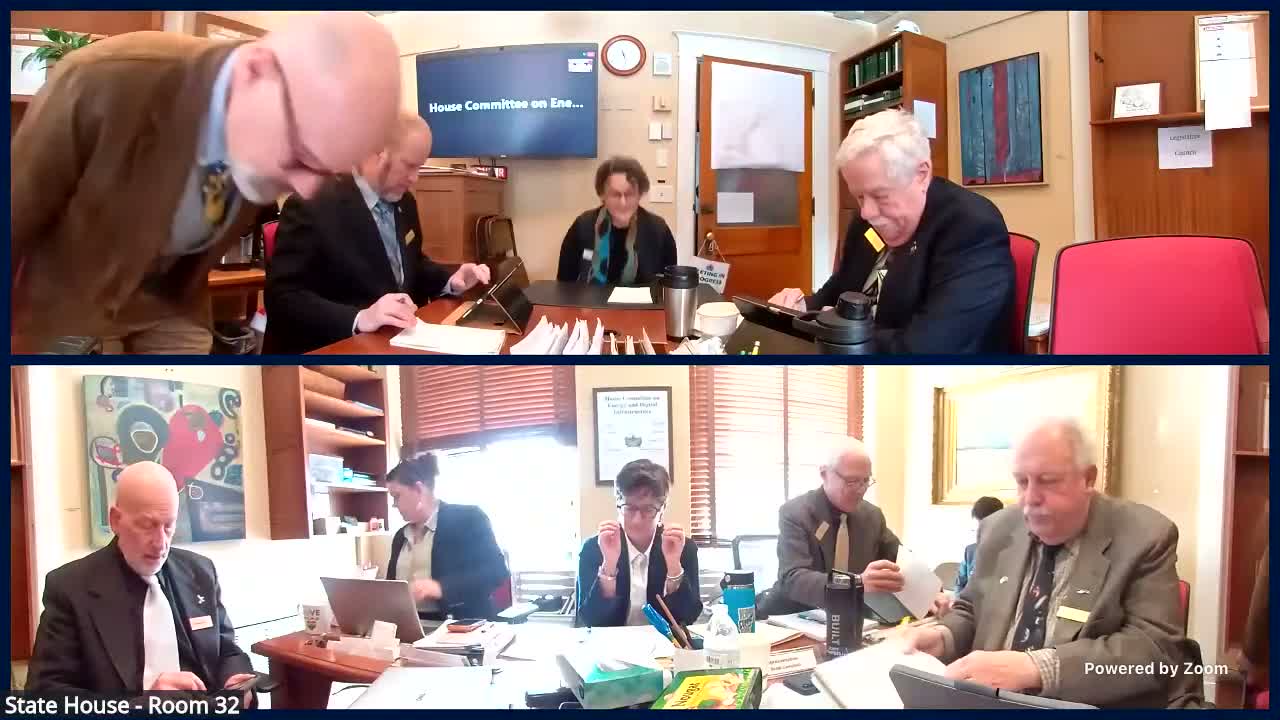
Representative Derek Torrey presented H.753 — the Vermont Energy Equity Law — asking the committee to require the Public Utility Commission to adopt enhanced residential protections for involuntary disconnections. The bill would: allow medical certifications from licensed health providers to remain in effect for the time specified by the provider rather than a short statutory cap; prohibit involuntary disconnections during periods of extreme heat; and require the PUC to adopt a strategic plan and metrics to reduce monthly and annual involuntary disconnections across utility service territories.
Torrey framed the bill as a targeted response to rising disconnections, noting the governor’s budget referenced an increase in disconnections of "almost a third." He said the goal is to reduce harm while preserving safeguards against misuse. Committee members discussed defining "extreme heat" in statute (examples included forecasted highs at or above 92°F or National Weather Service excessive heat advisories) and the potential for increased arrearages if disconnections are paused without accompanying affordability programs.
Members recommended taking testimony from the Department of Public Service and utilities to learn what mitigation strategies currently work, how arrearages are managed, and whether performance incentives or limited penalties for investor‑owned utilities could improve outcomes. The committee signaled interest in refining definitions and seeking data before any formal vote.
Torrey framed the bill as a targeted response to rising disconnections, noting the governor’s budget referenced an increase in disconnections of "almost a third." He said the goal is to reduce harm while preserving safeguards against misuse. Committee members discussed defining "extreme heat" in statute (examples included forecasted highs at or above 92°F or National Weather Service excessive heat advisories) and the potential for increased arrearages if disconnections are paused without accompanying affordability programs.
Members recommended taking testimony from the Department of Public Service and utilities to learn what mitigation strategies currently work, how arrearages are managed, and whether performance incentives or limited penalties for investor‑owned utilities could improve outcomes. The committee signaled interest in refining definitions and seeking data before any formal vote.
Don't Miss a Word: See the Full Meeting!
Go beyond summaries. Unlock every video, transcript, and key insight with a Founder Membership.
✓
Get instant access to full meeting videos
✓
Search and clip any phrase from complete transcripts
✓
Receive AI-powered summaries & custom alerts
✓
Enjoy lifetime, unrestricted access to government data
30-day money-back guarantee
