Master logger tells committee Act 250 rules are deterring investment in Vermont wood products sector
January 31, 2026 | Agriculture, Food Resiliency, & Forestry, HOUSE OF REPRESENTATIVES, Committees, Legislative , Vermont
This article was created by AI summarizing key points discussed. AI makes mistakes, so for full details and context, please refer to the video of the full meeting. Please report any errors so we can fix them. Report an error »
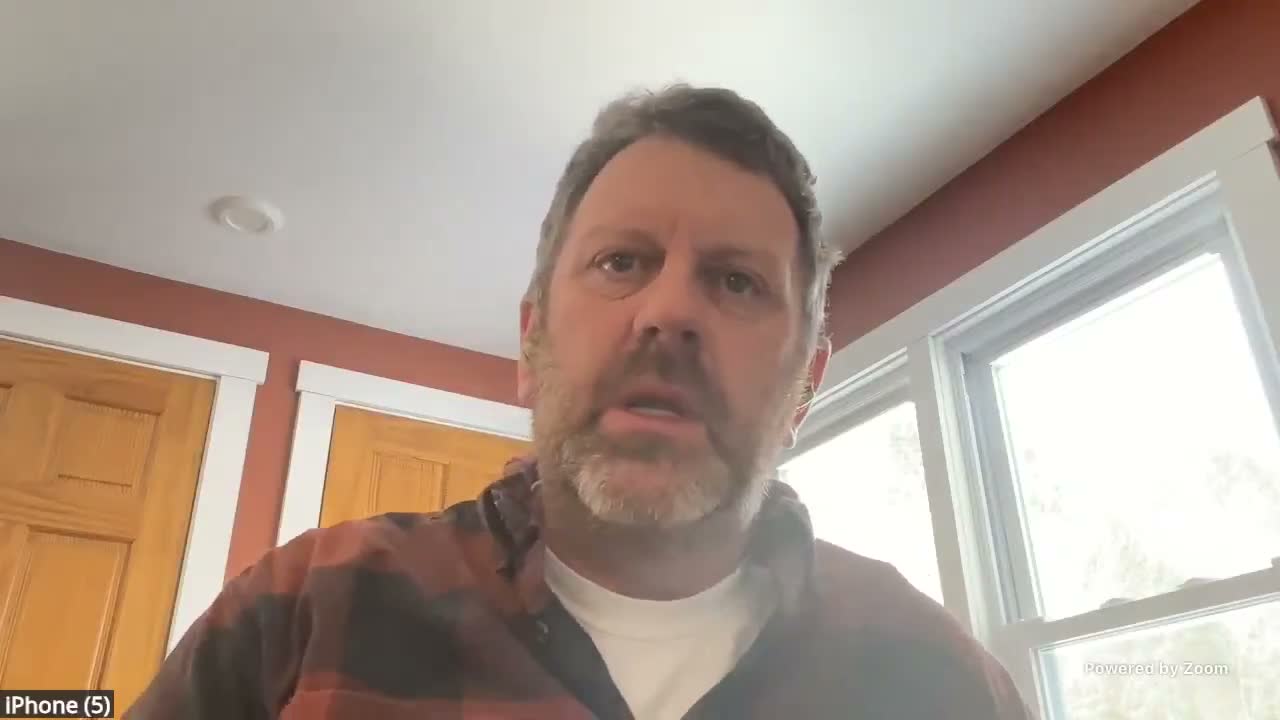
Sam Lincoln, a master logger and former deputy commissioner at the state Department of Forests, Parks and Recreation, told the Agriculture, Food Resiliency & Forestry committee that the unpredictability of Act 250 permitting and permit conditions is “a significant deterrent to investment in Vermont's wood products manufacturing sector.”
Lincoln said the problem is not the environmental standards themselves but the uncertain timelines, overlapping reviews and permit conditions that make planning and financing expansions difficult. "The consistent message then and now is that the uncertain timelines, the unclear outcomes, and overlapping reviews under Act 250 discourage investment and make it difficult for Vermont businesses to compete regionally and globally," he said.
Lincoln urged the committee to consider several recommendations in the wood products manufacturers report. First, he recommended updating Act 250 Rule 19 to better align with Agency of Natural Resources permitting, reduce duplicative reviews, and clarify when ANR permits can be dispositive so projects can move forward without years of back-and-forth. Second, he asked the committee to restore clarity or exemptions for log and pulp concentration yards — typically large, graveled aggregation sites used to shorten trucking runs and form full loads for specialty mills — arguing they are logistics facilities rather than speculative development. Third, he supported proposed Rule 34 changes to allow administrative amendments for relatively minor project changes so small operational improvements (stormwater upgrades, cleaner technology, modest changes in hours) do not trigger a full permit amendment process.
Lincoln described multiple local examples to illustrate his concerns. He said a regional mulch facility took three years to complete Act 250 permitting; a sawmill near his home waited years while a working-lands grant sat idle; and a business attempting to expand hours to respond to emerald ash borer concerns abandoned its permit effort after facing costly technical conditions. "It was expensive, and they finally abandoned their permit," Lincoln said, describing how technical noise and engineering conditions overwhelmed the applicant.
He also recommended extending exemptions for routine forestry practices similar to those that exist for farming, noting Vermont's Acceptable Management Practices (AMPs) already regulate water quality protections on logging operations. Lincoln proposed exempting forestry operations below 2,500 feet on Act 250–permitted parcels where those activities are regulated by AMPs, to prevent duplicative oversight and permitting delays.
On the Stony Brook process — a mechanism that limits Act 250 review of agricultural parcels to developed portions — Lincoln and other witnesses said applicants currently must request it and that parity with farming is not automatic for forestry. A representative of the Vermont Forest Products Association told the committee the report recommends either notifying applicants that the Stony Brook pathway exists or codifying parity so forestry operations receive the same automatic treatment agriculture does under statute.
Lincoln said his group would support legislation to postpone aspects of Act 181's tier 3 implementation for one year to allow for more public engagement and to seek carve-outs for rural forestry businesses, arguing that tier 3 mapping and expanded jurisdiction could unintentionally limit the forest economy unless tailored protections are included.
Committee members asked procedural and legal questions about who drafts or adopts rule changes (Land Use Review Board, LCAR, or the Legislature) and whether the committee should draft a committee bill. Lincoln said he would submit expanded written comments and supporting references to supplement his oral testimony. The committee agreed to hear more testimony next week and signaled it may draft a committee bill after gathering additional input from LURB/ANR staff and legislative counsel.
The committee paused to take a short recess; more hearing sessions are scheduled next week.
Lincoln said the problem is not the environmental standards themselves but the uncertain timelines, overlapping reviews and permit conditions that make planning and financing expansions difficult. "The consistent message then and now is that the uncertain timelines, the unclear outcomes, and overlapping reviews under Act 250 discourage investment and make it difficult for Vermont businesses to compete regionally and globally," he said.
Lincoln urged the committee to consider several recommendations in the wood products manufacturers report. First, he recommended updating Act 250 Rule 19 to better align with Agency of Natural Resources permitting, reduce duplicative reviews, and clarify when ANR permits can be dispositive so projects can move forward without years of back-and-forth. Second, he asked the committee to restore clarity or exemptions for log and pulp concentration yards — typically large, graveled aggregation sites used to shorten trucking runs and form full loads for specialty mills — arguing they are logistics facilities rather than speculative development. Third, he supported proposed Rule 34 changes to allow administrative amendments for relatively minor project changes so small operational improvements (stormwater upgrades, cleaner technology, modest changes in hours) do not trigger a full permit amendment process.
Lincoln described multiple local examples to illustrate his concerns. He said a regional mulch facility took three years to complete Act 250 permitting; a sawmill near his home waited years while a working-lands grant sat idle; and a business attempting to expand hours to respond to emerald ash borer concerns abandoned its permit effort after facing costly technical conditions. "It was expensive, and they finally abandoned their permit," Lincoln said, describing how technical noise and engineering conditions overwhelmed the applicant.
He also recommended extending exemptions for routine forestry practices similar to those that exist for farming, noting Vermont's Acceptable Management Practices (AMPs) already regulate water quality protections on logging operations. Lincoln proposed exempting forestry operations below 2,500 feet on Act 250–permitted parcels where those activities are regulated by AMPs, to prevent duplicative oversight and permitting delays.
On the Stony Brook process — a mechanism that limits Act 250 review of agricultural parcels to developed portions — Lincoln and other witnesses said applicants currently must request it and that parity with farming is not automatic for forestry. A representative of the Vermont Forest Products Association told the committee the report recommends either notifying applicants that the Stony Brook pathway exists or codifying parity so forestry operations receive the same automatic treatment agriculture does under statute.
Lincoln said his group would support legislation to postpone aspects of Act 181's tier 3 implementation for one year to allow for more public engagement and to seek carve-outs for rural forestry businesses, arguing that tier 3 mapping and expanded jurisdiction could unintentionally limit the forest economy unless tailored protections are included.
Committee members asked procedural and legal questions about who drafts or adopts rule changes (Land Use Review Board, LCAR, or the Legislature) and whether the committee should draft a committee bill. Lincoln said he would submit expanded written comments and supporting references to supplement his oral testimony. The committee agreed to hear more testimony next week and signaled it may draft a committee bill after gathering additional input from LURB/ANR staff and legislative counsel.
The committee paused to take a short recess; more hearing sessions are scheduled next week.
View the Full Meeting & All Its Details
This article offers just a summary. Unlock complete video, transcripts, and insights as a Founder Member.
✓
Watch full, unedited meeting videos
✓
Search every word spoken in unlimited transcripts
✓
AI summaries & real-time alerts (all government levels)
✓
Permanent access to expanding government content
30-day money-back guarantee
