Reports from Cuba: prenatal care, prison conditions and gaps in promised medical aid
This article was created by AI summarizing key points discussed. AI makes mistakes, so for full details and context, please refer to the video of the full meeting. Please report any errors so we can fix them. Report an error »
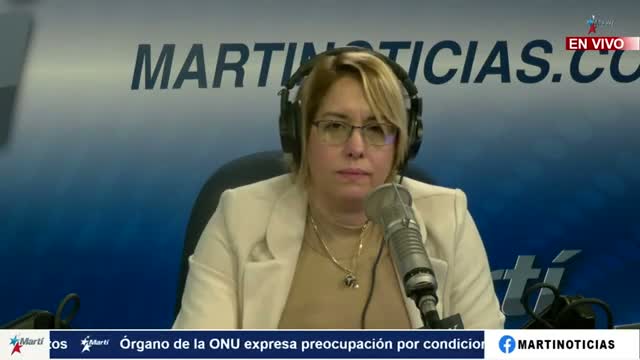
Radio Martí's Jan. 30 broadcast included multiple field reports and interviews detailing humanitarian strains inside Cuba. Journalists and exiled medical professionals told the program that prenatal care services face shortages of vitamins, diagnostics and basic supplies, contributing to a rise in complications and low‑birthweight infants.
A report by Yolanda Huerga described that many maternity homes and hospitals lack mattresses and adequate food; a former political prisoner, Janet Quevedo, recounted inhuman conditions in a women's prison where water and sanitation are poor and maternal care is minimal.
The program also cited a University Sergio Arboleda investigation and official Colombian correspondence that together indicate a Cuban announcement in May 2025 of a donation of 2,000 yellow fever vaccine doses to Colombia was not delivered. The broadcast presented this as an example — reported by researchers — of medical diplomacy that the program said sometimes does not materialize.
Separately, Radio Martí noted an NGO report (Foro Penal) that 711 people had been released from custody in Venezuela as of Jan. 28 but that more than 11,000 people remained subject to arbitrary restrictions, citing the organization's published counts.
Reporters and interviewees said these examples illustrate a wider deterioration in health and civil conditions in Cuba and the region. The program included firsthand descriptions and agency figures but did not present independent verification of every claim; it flagged known sources when available.
A report by Yolanda Huerga described that many maternity homes and hospitals lack mattresses and adequate food; a former political prisoner, Janet Quevedo, recounted inhuman conditions in a women's prison where water and sanitation are poor and maternal care is minimal.
The program also cited a University Sergio Arboleda investigation and official Colombian correspondence that together indicate a Cuban announcement in May 2025 of a donation of 2,000 yellow fever vaccine doses to Colombia was not delivered. The broadcast presented this as an example — reported by researchers — of medical diplomacy that the program said sometimes does not materialize.
Separately, Radio Martí noted an NGO report (Foro Penal) that 711 people had been released from custody in Venezuela as of Jan. 28 but that more than 11,000 people remained subject to arbitrary restrictions, citing the organization's published counts.
Reporters and interviewees said these examples illustrate a wider deterioration in health and civil conditions in Cuba and the region. The program included firsthand descriptions and agency figures but did not present independent verification of every claim; it flagged known sources when available.
Don't Miss a Word: See the Full Meeting!
Go beyond summaries. Unlock every video, transcript, and key insight with a Founder Membership.
✓
Get instant access to full meeting videos
✓
Search and clip any phrase from complete transcripts
✓
Receive AI-powered summaries & custom alerts
✓
Enjoy lifetime, unrestricted access to government data
30-day money-back guarantee
