U.S. order targets oil shipments to Cuba; broadcaster warns of short fuel reserves
This article was created by AI summarizing key points discussed. AI makes mistakes, so for full details and context, please refer to the video of the full meeting. Please report any errors so we can fix them. Report an error »
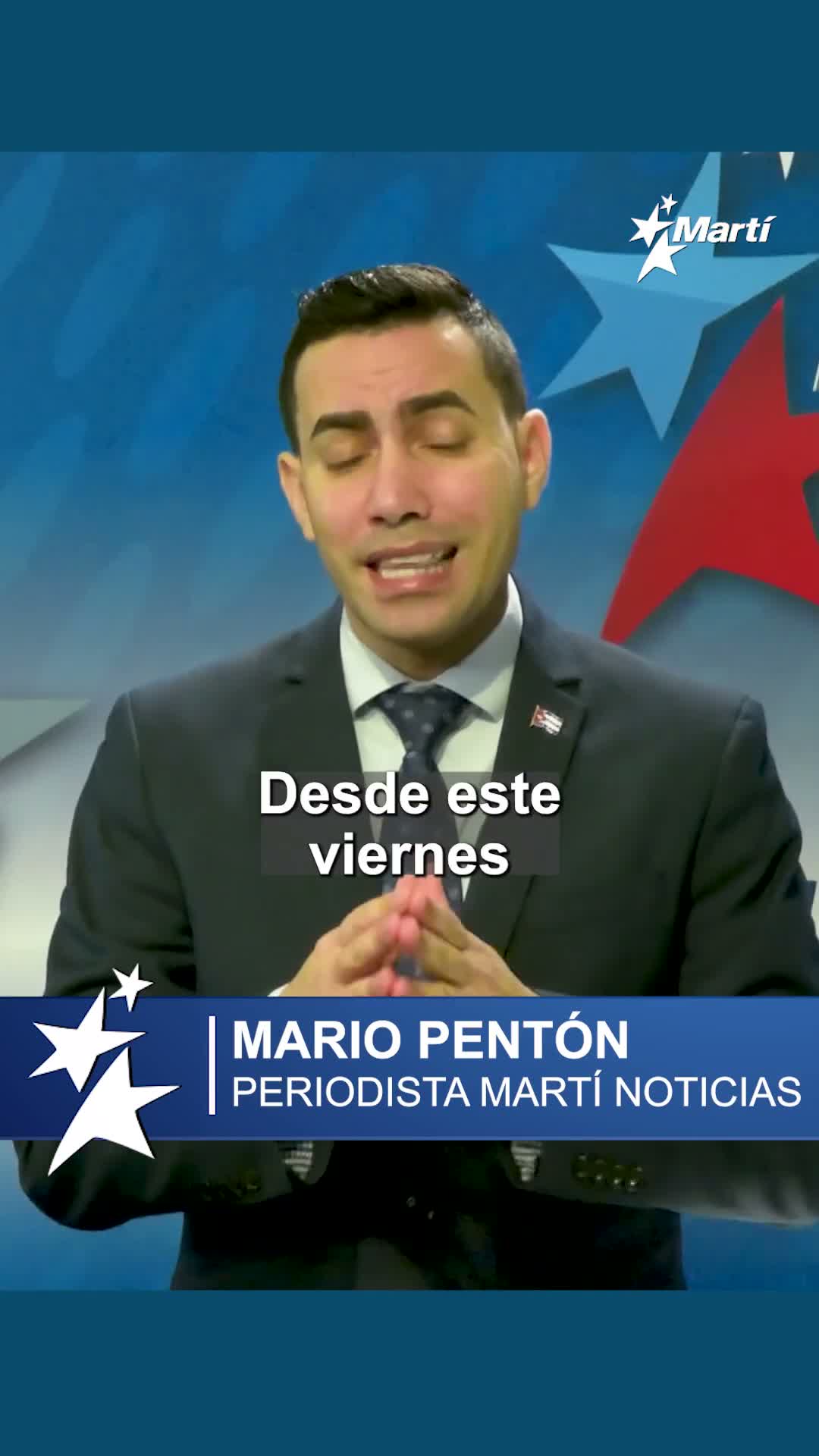
Mario Pentón, presenter of the radio program "Cuba al día," opened by reporting that "desde este viernes entra en vigor una orden presidencial que impone aranceles a quienes envíen petróleo al régimen cubano," describing the move as a stepped-up U.S. pressure tactic short of a naval blockade. Pentón emphasized that the measure is framed as tariffs rather than direct seizures of ships, but said it could escalate if other measures follow.
Pentón cited intelligence/commodity data from the firm Kpler, saying "Cuba tendría combustible para entre 15 y 20 días si se mantienen los niveles actuales de consumo," and presented that estimate to underline potential short-term hardship if oil shipments are curtailed. He also relayed the Cuban government's public position, naming Jorge Legañoa as a spokesman who says Cuba "no representa una amenaza para Estados Unidos" and has even guaranteed security on the southern border; Pentón questioned those assertions.
The program placed the order in a wider political frame, saying the aim of U.S. pressure is to force the government to negotiate or change long-standing anti-U.S. policies. Pentón noted, without on-air documentary evidence, reports of "conversaciones tras bambalinas" with the U.S. administration. He also contrasted the current measures with past episodes of pressure in the region.
The broadcast presented the Kpler fuel estimate and the presidential order as claims and framing supplied by the program; it did not include on-air confirmation from U.S. officials or Kpler during the segment. The segment closed with Pentón arguing that international pressure is likely to increase.
Pentón cited intelligence/commodity data from the firm Kpler, saying "Cuba tendría combustible para entre 15 y 20 días si se mantienen los niveles actuales de consumo," and presented that estimate to underline potential short-term hardship if oil shipments are curtailed. He also relayed the Cuban government's public position, naming Jorge Legañoa as a spokesman who says Cuba "no representa una amenaza para Estados Unidos" and has even guaranteed security on the southern border; Pentón questioned those assertions.
The program placed the order in a wider political frame, saying the aim of U.S. pressure is to force the government to negotiate or change long-standing anti-U.S. policies. Pentón noted, without on-air documentary evidence, reports of "conversaciones tras bambalinas" with the U.S. administration. He also contrasted the current measures with past episodes of pressure in the region.
The broadcast presented the Kpler fuel estimate and the presidential order as claims and framing supplied by the program; it did not include on-air confirmation from U.S. officials or Kpler during the segment. The segment closed with Pentón arguing that international pressure is likely to increase.
Don't Miss a Word: See the Full Meeting!
Go beyond summaries. Unlock every video, transcript, and key insight with a Founder Membership.
✓
Get instant access to full meeting videos
✓
Search and clip any phrase from complete transcripts
✓
Receive AI-powered summaries & custom alerts
✓
Enjoy lifetime, unrestricted access to government data
30-day money-back guarantee
