House panel reviews H.632 changes to CAFO rules, debates secretary's permitting discretion
January 30, 2026 | Agriculture, Food Resiliency, & Forestry, HOUSE OF REPRESENTATIVES, Committees, Legislative , Vermont
This article was created by AI summarizing key points discussed. AI makes mistakes, so for full details and context, please refer to the video of the full meeting. Please report any errors so we can fix them. Report an error »
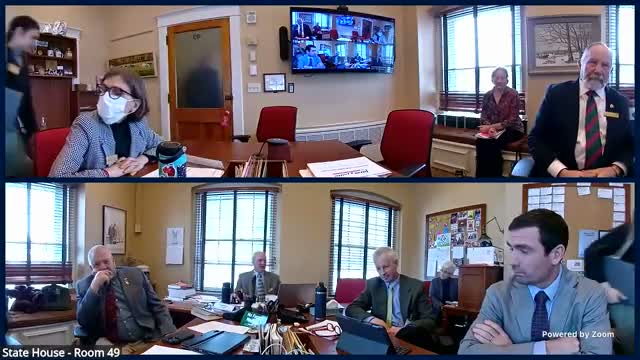
The Agriculture, Food Resiliency & Forestry committee spent the second half of its Jan. 30 meeting reviewing draft H.632 language that clarifies state CAFO (concentrated animal feeding operation) permitting and aligns statutory language with federal Clean Water Act regulations.
Catherine Gessing, general counsel for the Agency of Natural Resources, told the panel H.632 incorporates many technical recommendations from EPA staff and starts its CAFO-related changes on page 17 of the draft. The bill adds clearer cross-references to the NPDES (National Pollutant Discharge Elimination System) permitting framework and inserts federal regulatory language in places where Vermont statute previously cited other sections.
Key changes and program status
- Permit definitions and clarity: The bill clarifies large farm operation language and corrects drafting issues (for example, calf/cow-pair phrasing), and specifies where the NPDES references apply to CAFO discharges. ANR said the change was intended to eliminate confusion over whether a CAFO issue falls under an agricultural nondischarge permit or an NPDES permit.
- Medium-general permit and deadline extension: ANR has a draft medium CAFO general permit but would like to expand it to cover more farms and requested moving the statutory update deadline from December 2025 to September 2027 to allow stakeholder work and additional rulemaking.
- Staffing and inspections: ANR reported staff growth from one person in the CAFO program last year to five now (three hired in the last three months), and said it completed 10 corrective-action inspections last summer (five large farm operations and five medium farm operations). The agency said future resource needs may change based on inspection results.
- Secretary discretion (controversial): One section would add a fourth, catch-all condition allowing the secretary to require a CAFO permit at the secretary's discretion when other enumerated criteria are not met. ANR said it could agree to strike that discretionary clause if the committee is uncomfortable; the agency also said it would expect to rely on rulemaking and specific standards before using such discretion.
- Public notice and nutrient management plans: Committee members sought clarity about public access to nutrient management plans; ANR said Clean Water Act–related NPDES permits require those plans to be public and to be reviewed and approved by the secretary before notice.
Stakeholder process and next steps
ANR said it has held six stakeholder meetings that included farmers, technical-service providers, NRCS representatives and environmental groups, and that EPA participated in the most recent session. ANR scheduled two public informational meetings in February (noted as Feb. 9 and Feb. 11) and expects to issue an interim stakeholder update to the legislature followed by a fuller report in March. The agency has contracted facilitation (Patrick from CBI) and used some contract funds for that role; it also received one position funded last year and shifted another position internally while using contracting funds in the short term.
Committee members requested drafts of the proposed general permit and asked ANR to meet next week with advocates and committee counsel to move through technical questions. Michael Grady is scheduled to brief the committee tomorrow to clarify remaining environment-committee positions on the secretary-authority clause.
Matters the committee flagged for potential revision include removing the discretionary permitting clause and further clarifying public-notice language for nutrient management plans.
Next procedural step: advocates and ANR will meet with counsel present next week; the committee will review the H.632 text again after receiving the draft general permit and the stakeholder report.
Catherine Gessing, general counsel for the Agency of Natural Resources, told the panel H.632 incorporates many technical recommendations from EPA staff and starts its CAFO-related changes on page 17 of the draft. The bill adds clearer cross-references to the NPDES (National Pollutant Discharge Elimination System) permitting framework and inserts federal regulatory language in places where Vermont statute previously cited other sections.
Key changes and program status
- Permit definitions and clarity: The bill clarifies large farm operation language and corrects drafting issues (for example, calf/cow-pair phrasing), and specifies where the NPDES references apply to CAFO discharges. ANR said the change was intended to eliminate confusion over whether a CAFO issue falls under an agricultural nondischarge permit or an NPDES permit.
- Medium-general permit and deadline extension: ANR has a draft medium CAFO general permit but would like to expand it to cover more farms and requested moving the statutory update deadline from December 2025 to September 2027 to allow stakeholder work and additional rulemaking.
- Staffing and inspections: ANR reported staff growth from one person in the CAFO program last year to five now (three hired in the last three months), and said it completed 10 corrective-action inspections last summer (five large farm operations and five medium farm operations). The agency said future resource needs may change based on inspection results.
- Secretary discretion (controversial): One section would add a fourth, catch-all condition allowing the secretary to require a CAFO permit at the secretary's discretion when other enumerated criteria are not met. ANR said it could agree to strike that discretionary clause if the committee is uncomfortable; the agency also said it would expect to rely on rulemaking and specific standards before using such discretion.
- Public notice and nutrient management plans: Committee members sought clarity about public access to nutrient management plans; ANR said Clean Water Act–related NPDES permits require those plans to be public and to be reviewed and approved by the secretary before notice.
Stakeholder process and next steps
ANR said it has held six stakeholder meetings that included farmers, technical-service providers, NRCS representatives and environmental groups, and that EPA participated in the most recent session. ANR scheduled two public informational meetings in February (noted as Feb. 9 and Feb. 11) and expects to issue an interim stakeholder update to the legislature followed by a fuller report in March. The agency has contracted facilitation (Patrick from CBI) and used some contract funds for that role; it also received one position funded last year and shifted another position internally while using contracting funds in the short term.
Committee members requested drafts of the proposed general permit and asked ANR to meet next week with advocates and committee counsel to move through technical questions. Michael Grady is scheduled to brief the committee tomorrow to clarify remaining environment-committee positions on the secretary-authority clause.
Matters the committee flagged for potential revision include removing the discretionary permitting clause and further clarifying public-notice language for nutrient management plans.
Next procedural step: advocates and ANR will meet with counsel present next week; the committee will review the H.632 text again after receiving the draft general permit and the stakeholder report.
Don't Miss a Word: See the Full Meeting!
Go beyond summaries. Unlock every video, transcript, and key insight with a Founder Membership.
✓
Get instant access to full meeting videos
✓
Search and clip any phrase from complete transcripts
✓
Receive AI-powered summaries & custom alerts
✓
Enjoy lifetime, unrestricted access to government data
30-day money-back guarantee
