Lawmakers hear compromise bill to block default judgments in consumer debt cases
January 19, 2026 | Legislative Sessions, Washington
This article was created by AI summarizing key points discussed. AI makes mistakes, so for full details and context, please refer to the video of the full meeting. Please report any errors so we can fix them. Report an error »
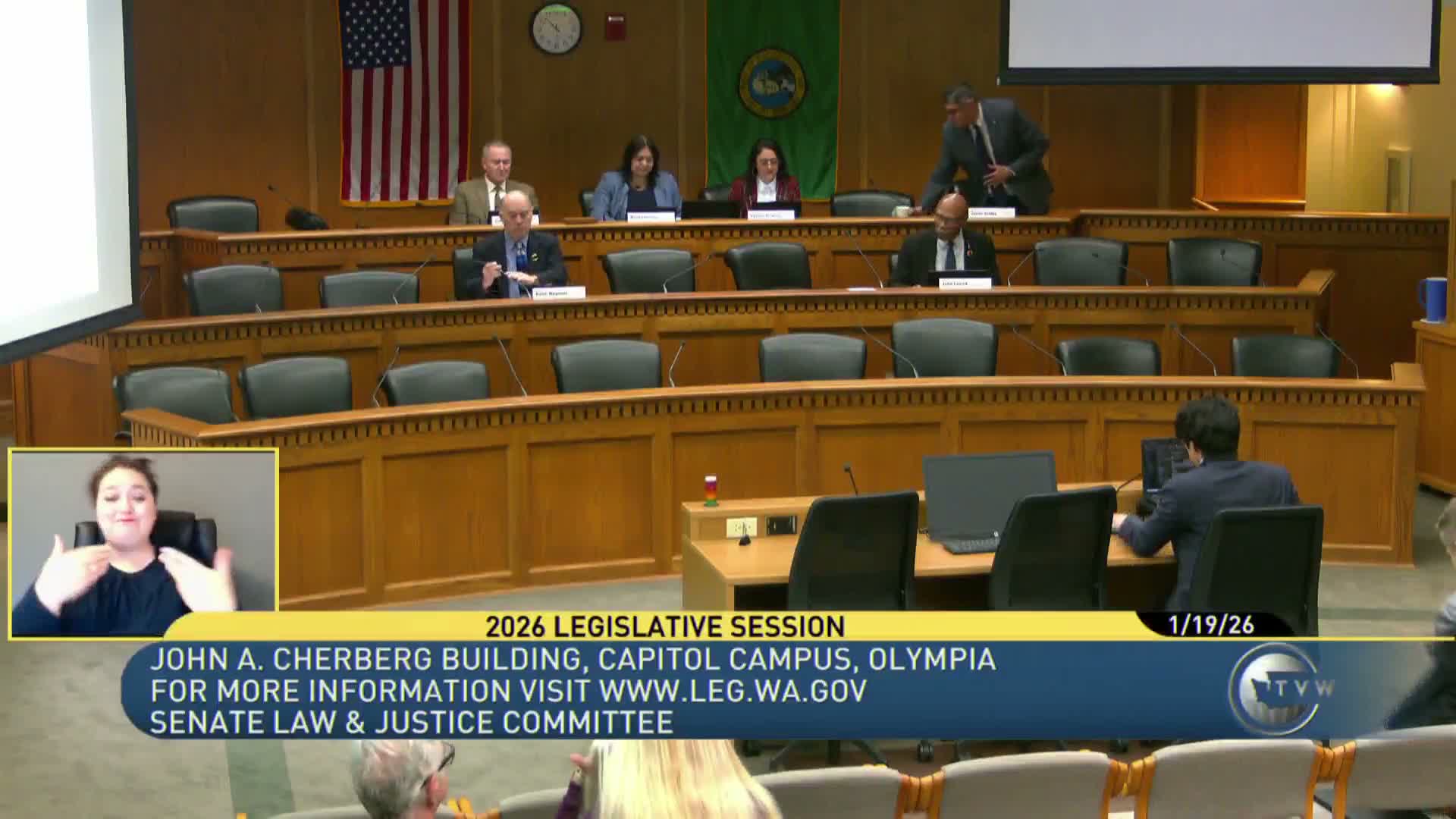
OLYMPIA, Wash. — The Senate Law and Justice Committee heard testimony on SB 5720 on Jan. 19, a substituted bill that would implement the Uniform Consumer Debt Default Judgments Act and make it harder for plaintiffs to obtain default judgments in consumer-debt lawsuits.
Ryan Giannini, staff counsel to the committee, told members the proposal would prohibit default judgments in consumer debt actions unless the complaint includes specific information about the debt, party identities and legal bases, and — in some cases — attachments that document the chain of ownership for purchased debt. The bill also would require a standardized consumer notice be served with complaints and give courts authority to deny default-judgment motions when plaintiffs fail to meet those requirements. The act would apply to actions commenced on or after Jan. 1, 2027.
Sen. Jamie Petersen, the bills sponsor, said the substitute reflects extensive stakeholder meetings and compromise between consumer advocates, debt collectors and debt buyers. "We ended up getting there and everybody's feeling good about the bill in the state that it is," Petersen said, urging the committee to consider the protections the measure would afford to consumers who lack resources to respond to large-volume litigation.
Consumer advocates described large-scale filing practices by some debt buyers. Sam Leonard of the Northwest Consumer Law Center said debt buyers ran tens of thousands of suits in the state last year, citing county-level figures — for example, 7,400 filings in King County — and argued that courts should not enter default judgments when basic identifying information and chain-of-title documentation are missing. "This bill ensures that the individuals sued have necessary information regarding the claims brought against them," Leonard said.
Industry representatives, including Mindy Chumbley of the Northwest Collectors Association and David Reed of the Receivables Management Association International, said they had opposed earlier versions but now support the substituted bill after stakeholder collaboration. They told the committee the current draft balances consumer protections with the need for clear, administrable requirements for collectors and buyers of debt.
No formal committee action or votes were recorded during the hearing. The public record on the bill shows a mix of organized support from consumer groups and conditional support from some industry representatives who said technical fixes had been incorporated.
Next steps: the committee may hold executive-session debate or amendments before deciding whether to advance the bill to the Senate floor.
Ryan Giannini, staff counsel to the committee, told members the proposal would prohibit default judgments in consumer debt actions unless the complaint includes specific information about the debt, party identities and legal bases, and — in some cases — attachments that document the chain of ownership for purchased debt. The bill also would require a standardized consumer notice be served with complaints and give courts authority to deny default-judgment motions when plaintiffs fail to meet those requirements. The act would apply to actions commenced on or after Jan. 1, 2027.
Sen. Jamie Petersen, the bills sponsor, said the substitute reflects extensive stakeholder meetings and compromise between consumer advocates, debt collectors and debt buyers. "We ended up getting there and everybody's feeling good about the bill in the state that it is," Petersen said, urging the committee to consider the protections the measure would afford to consumers who lack resources to respond to large-volume litigation.
Consumer advocates described large-scale filing practices by some debt buyers. Sam Leonard of the Northwest Consumer Law Center said debt buyers ran tens of thousands of suits in the state last year, citing county-level figures — for example, 7,400 filings in King County — and argued that courts should not enter default judgments when basic identifying information and chain-of-title documentation are missing. "This bill ensures that the individuals sued have necessary information regarding the claims brought against them," Leonard said.
Industry representatives, including Mindy Chumbley of the Northwest Collectors Association and David Reed of the Receivables Management Association International, said they had opposed earlier versions but now support the substituted bill after stakeholder collaboration. They told the committee the current draft balances consumer protections with the need for clear, administrable requirements for collectors and buyers of debt.
No formal committee action or votes were recorded during the hearing. The public record on the bill shows a mix of organized support from consumer groups and conditional support from some industry representatives who said technical fixes had been incorporated.
Next steps: the committee may hold executive-session debate or amendments before deciding whether to advance the bill to the Senate floor.
View the Full Meeting & All Its Details
This article offers just a summary. Unlock complete video, transcripts, and insights as a Founder Member.
✓
Watch full, unedited meeting videos
✓
Search every word spoken in unlimited transcripts
✓
AI summaries & real-time alerts (all government levels)
✓
Permanent access to expanding government content
30-day money-back guarantee
