Lawmakers hear emotional testimony backing new Washington Boys and Men Commission
January 23, 2026 | Legislative Sessions, Washington
This article was created by AI summarizing key points discussed. AI makes mistakes, so for full details and context, please refer to the video of the full meeting. Please report any errors so we can fix them. Report an error »
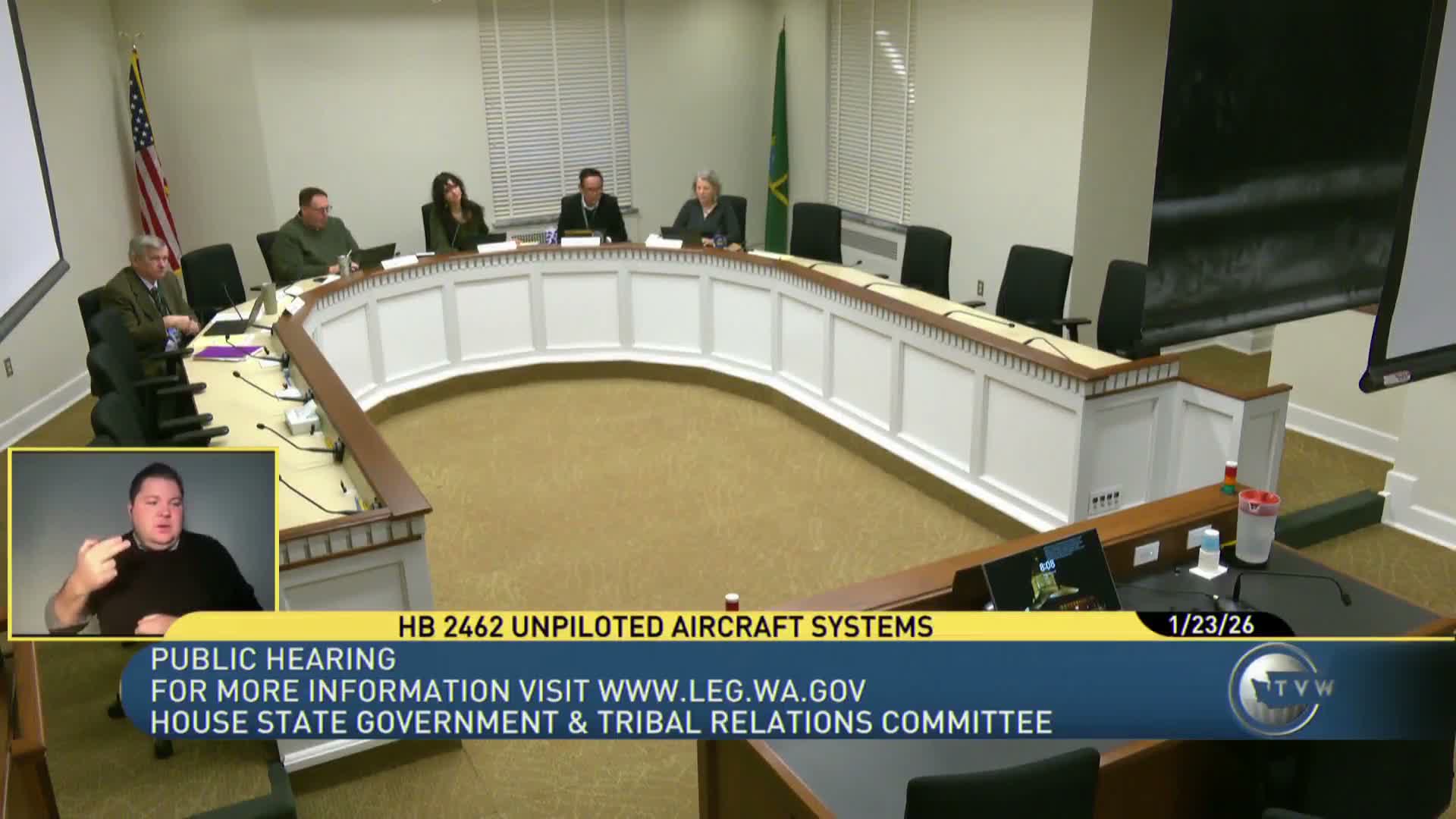
House Bill 24-01, which would establish a Washington Boys and Men's Commission contingent on sufficient non-state funding through 2029, drew sustained and emotional testimony from advocates, clinicians, labor leaders and people with lived experience.
OPR staff summarized the bill’s structure: a nine-member, governor-appointed commission (including at least one member from a federally recognized tribe) focused on identifying needs of boys and men, advising agencies, coordinating with existing equity commissions, and reporting to the legislature beginning Dec. 31, 2029. The commission’s initial operations are contingent on private gifts or grants sufficient to fund activity through the stated date.
Representative April Berg (44th Legislative District), the bill’s prime sponsor, described the proposal as a non-tax initiative to address mental-health disparities, educational disengagement and workforce disconnection among boys and men. "This commission would focus on improving mental health outcomes, expanding access to education and vocational pathways, reducing stigma around seeking help," Berg said, and emphasized the bill requires coordination with women's, LGBTQ and ethnic commissions.
Testimony in favor came from a broad cross-section: school superintendents and principals, nonprofit founders, labor representatives, medical professionals and advocacy groups. Kimber Erickson (Kellen Cares Foundation) testified on suicide prevention and urged upstream interventions; Jose Romo Ramirez described immigrant-family trauma and fatherhood classes; Dr. Richard Pellman and other urologists requested explicit inclusion of physical health among commission duties; labor leaders stressed the commission could help prevent 'deaths of despair' among construction workers.
Outside researchers and national experts joined remotely: Richard Reeves (Brookings Institution; American Institute for Boys and Men) and Sean Coleman (author of the Washington status report) supported the bill while urging the committee to also consider companion bills addressing root causes such as fatherlessness. Witnesses consistently emphasized the commission would not require state funding at start, would prioritize lived experience, and would coordinate with existing agencies and commissions.
The committee closed the hearing on HB 24-01 after an extensive panel of supporters finished testimony. Several witnesses said they would provide written amendments or data to the committee.
OPR staff summarized the bill’s structure: a nine-member, governor-appointed commission (including at least one member from a federally recognized tribe) focused on identifying needs of boys and men, advising agencies, coordinating with existing equity commissions, and reporting to the legislature beginning Dec. 31, 2029. The commission’s initial operations are contingent on private gifts or grants sufficient to fund activity through the stated date.
Representative April Berg (44th Legislative District), the bill’s prime sponsor, described the proposal as a non-tax initiative to address mental-health disparities, educational disengagement and workforce disconnection among boys and men. "This commission would focus on improving mental health outcomes, expanding access to education and vocational pathways, reducing stigma around seeking help," Berg said, and emphasized the bill requires coordination with women's, LGBTQ and ethnic commissions.
Testimony in favor came from a broad cross-section: school superintendents and principals, nonprofit founders, labor representatives, medical professionals and advocacy groups. Kimber Erickson (Kellen Cares Foundation) testified on suicide prevention and urged upstream interventions; Jose Romo Ramirez described immigrant-family trauma and fatherhood classes; Dr. Richard Pellman and other urologists requested explicit inclusion of physical health among commission duties; labor leaders stressed the commission could help prevent 'deaths of despair' among construction workers.
Outside researchers and national experts joined remotely: Richard Reeves (Brookings Institution; American Institute for Boys and Men) and Sean Coleman (author of the Washington status report) supported the bill while urging the committee to also consider companion bills addressing root causes such as fatherlessness. Witnesses consistently emphasized the commission would not require state funding at start, would prioritize lived experience, and would coordinate with existing agencies and commissions.
The committee closed the hearing on HB 24-01 after an extensive panel of supporters finished testimony. Several witnesses said they would provide written amendments or data to the committee.
Don't Miss a Word: See the Full Meeting!
Go beyond summaries. Unlock every video, transcript, and key insight with a Founder Membership.
✓
Get instant access to full meeting videos
✓
Search and clip any phrase from complete transcripts
✓
Receive AI-powered summaries & custom alerts
✓
Enjoy lifetime, unrestricted access to government data
30-day money-back guarantee
