Guard legal advocates, sponsor urge aligning Washington Code of Military Justice with federal victims'rights protections
January 23, 2026 | Legislative Sessions, Washington
This article was created by AI summarizing key points discussed. AI makes mistakes, so for full details and context, please refer to the video of the full meeting. Please report any errors so we can fix them. Report an error »
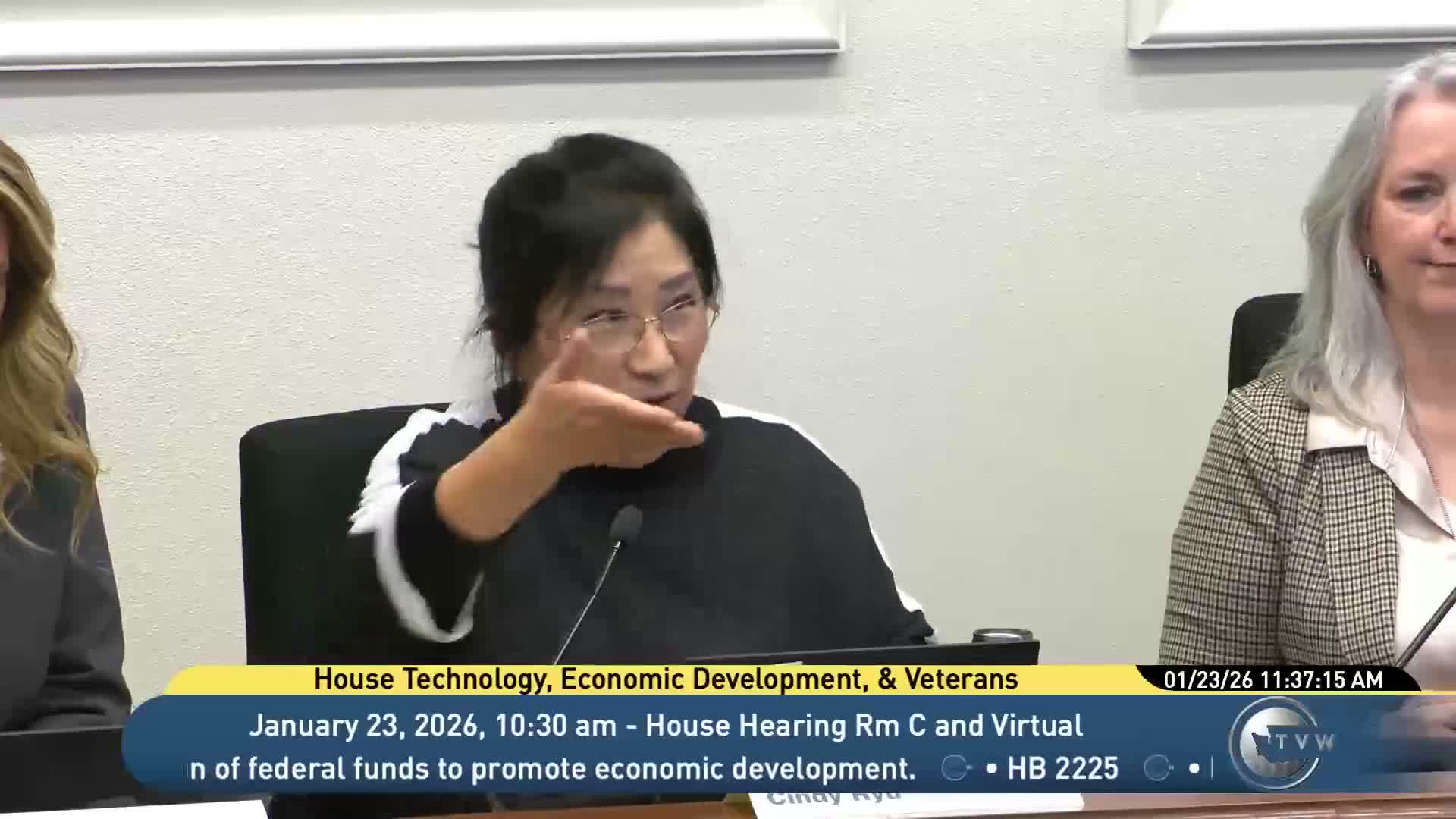
House Bill 24 17, which would align the Washington Code of Military Justice (WCMJ) with federal Uniform Code of Military Justice (UCMJ) victim-rights protections, drew unanimous pro testimony Friday.
Representative Michael Keaton, the bill's prime sponsor, said the measure would close a statutory gap that leaves members of the Washington National Guard with fewer victims'rights protections when they serve under state authority than they enjoy under federal Title 10 service.
"You can't have that disconnect," Keaton said, describing the bill as necessary to preserve unit cohesion and fairness when members face criminal misconduct while serving in a state status.
Lieutenant Colonel Amy Murray and Lieutenant Colonel Kristen Beck, both judge advocate attorneys in the Washington National Guard, described the bill as a crime-victims bill of rights that provides notice of proceedings, the ability to attend public hearings, and other protections modeled on the UCMJ. They said the WCMJ had not kept pace with modern federal reforms and that statutory clarity would give commanders and victims consistent guidance.
Maria Ducey Perret, representing the Washington State Veterans Legislative Coalition, also testified in support, saying the bill ensures "a service member's rights should not change simply because the mission or the orders change." Panelists said statutory protections would not create a private cause of action or change criminal charges, but would standardize victims'rights processes.
Committee members asked detailed questions about the status distinctions (Title 10, Title 32, state active duty) and about trauma-informed care; witnesses noted that statutory alignment focuses on legal rights and that existing Guard resources provide trauma-response services.
The hearing closed with the bill scheduled for executive session; sponsors and advocates said they will continue to work on language and implementation details.
Key points: HB 2417 adds victim-rights protections into the WCMJ similar to UCMJ provisions, clarifies applicability for Title 32/state-status service, and provides procedural protections (notice, opportunity to be heard) without creating new civil liability.
Representative Michael Keaton, the bill's prime sponsor, said the measure would close a statutory gap that leaves members of the Washington National Guard with fewer victims'rights protections when they serve under state authority than they enjoy under federal Title 10 service.
"You can't have that disconnect," Keaton said, describing the bill as necessary to preserve unit cohesion and fairness when members face criminal misconduct while serving in a state status.
Lieutenant Colonel Amy Murray and Lieutenant Colonel Kristen Beck, both judge advocate attorneys in the Washington National Guard, described the bill as a crime-victims bill of rights that provides notice of proceedings, the ability to attend public hearings, and other protections modeled on the UCMJ. They said the WCMJ had not kept pace with modern federal reforms and that statutory clarity would give commanders and victims consistent guidance.
Maria Ducey Perret, representing the Washington State Veterans Legislative Coalition, also testified in support, saying the bill ensures "a service member's rights should not change simply because the mission or the orders change." Panelists said statutory protections would not create a private cause of action or change criminal charges, but would standardize victims'rights processes.
Committee members asked detailed questions about the status distinctions (Title 10, Title 32, state active duty) and about trauma-informed care; witnesses noted that statutory alignment focuses on legal rights and that existing Guard resources provide trauma-response services.
The hearing closed with the bill scheduled for executive session; sponsors and advocates said they will continue to work on language and implementation details.
Key points: HB 2417 adds victim-rights protections into the WCMJ similar to UCMJ provisions, clarifies applicability for Title 32/state-status service, and provides procedural protections (notice, opportunity to be heard) without creating new civil liability.
Don't Miss a Word: See the Full Meeting!
Go beyond summaries. Unlock every video, transcript, and key insight with a Founder Membership.
✓
Get instant access to full meeting videos
✓
Search and clip any phrase from complete transcripts
✓
Receive AI-powered summaries & custom alerts
✓
Enjoy lifetime, unrestricted access to government data
30-day money-back guarantee
