Committee introduces task force to study model municipal bylaws for housing; committee votes to advance draft request
January 30, 2026 | Natural Resources & Energy, SENATE, Committees, Legislative , Vermont
This article was created by AI summarizing key points discussed. AI makes mistakes, so for full details and context, please refer to the video of the full meeting. Please report any errors so we can fix them. Report an error »
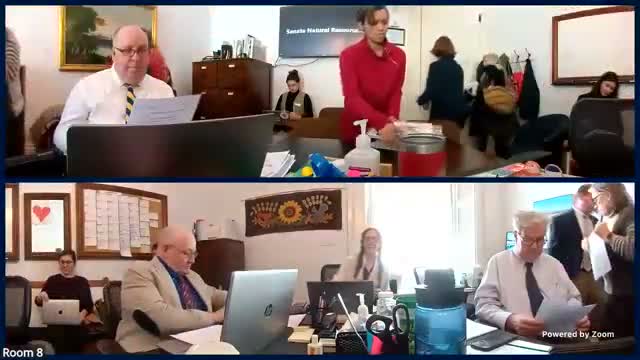
Senators in the Natural Resources & Energy Committee on Jan. 29 discussed a late draft request (26‑2761, draft 2.1) to create a task force to develop model municipal zoning codes—described in testimony as 'residential opportunity overlay districts' or 'root zones'—aimed at front‑loading decisions about where and what density is appropriate and allowing compliance certificates in place of traditional permits and appeals.
Chair and staff explained committee bill mechanics and timelines, noting Jan. 30 is the deadline for committee bills to be introduced and that voting the draft out of committee would allow the task force vehicle to be assigned an S‑number and returned for further work. The draft specifies membership, including planning and zoning experts, representatives from regional planning entities, the Commissioner of Housing and Community Development (or designee), municipal and housing development representatives, and two legislative members. The task force’s powers include developing illustrated model codes using clear and objective standards, embedding local town‑building principles, proposing administrative oversight and adoption procedures, and reporting back with model codes and recommendations by Dec. 1, 2026.
Several senators questioned whether a formal task force was the right mechanism and suggested alternative structures (a working group, broader stakeholder convenings) and cautioned about ensuring robust public outreach and preventing perceived loss of local input. Committee members also discussed municipal opt‑in adoption and the importance of coordinating with existing Department of Housing and Community Development materials and regional planning commissions.
The committee recorded affirmative responses when the clerk called the roll for draft 2.1 (senators recorded as voting “Yes” in the transcript), enabling the draft to move forward as a vehicle for further study and amendment.
Why it matters: The task force would create a legislative vehicle to produce model codes and administrative processes that, if later adopted by statute or municipalities, could change how local housing applications are reviewed and how appeals are handled.
Next steps: The draft will be available for editorial changes and further committee consideration; the task force (if established by subsequent legislative steps) would deliver a report and model codes by Dec. 1, 2026.
Chair and staff explained committee bill mechanics and timelines, noting Jan. 30 is the deadline for committee bills to be introduced and that voting the draft out of committee would allow the task force vehicle to be assigned an S‑number and returned for further work. The draft specifies membership, including planning and zoning experts, representatives from regional planning entities, the Commissioner of Housing and Community Development (or designee), municipal and housing development representatives, and two legislative members. The task force’s powers include developing illustrated model codes using clear and objective standards, embedding local town‑building principles, proposing administrative oversight and adoption procedures, and reporting back with model codes and recommendations by Dec. 1, 2026.
Several senators questioned whether a formal task force was the right mechanism and suggested alternative structures (a working group, broader stakeholder convenings) and cautioned about ensuring robust public outreach and preventing perceived loss of local input. Committee members also discussed municipal opt‑in adoption and the importance of coordinating with existing Department of Housing and Community Development materials and regional planning commissions.
The committee recorded affirmative responses when the clerk called the roll for draft 2.1 (senators recorded as voting “Yes” in the transcript), enabling the draft to move forward as a vehicle for further study and amendment.
Why it matters: The task force would create a legislative vehicle to produce model codes and administrative processes that, if later adopted by statute or municipalities, could change how local housing applications are reviewed and how appeals are handled.
Next steps: The draft will be available for editorial changes and further committee consideration; the task force (if established by subsequent legislative steps) would deliver a report and model codes by Dec. 1, 2026.
Don't Miss a Word: See the Full Meeting!
Go beyond summaries. Unlock every video, transcript, and key insight with a Founder Membership.
✓
Get instant access to full meeting videos
✓
Search and clip any phrase from complete transcripts
✓
Receive AI-powered summaries & custom alerts
✓
Enjoy lifetime, unrestricted access to government data
30-day money-back guarantee
