Former coach urges mandate for Youth Mental Health First Aid for coaches and school staff
January 30, 2026 | Education, HOUSE OF REPRESENTATIVES, Committees, Legislative , Vermont
This article was created by AI summarizing key points discussed. AI makes mistakes, so for full details and context, please refer to the video of the full meeting. Please report any errors so we can fix them. Report an error »
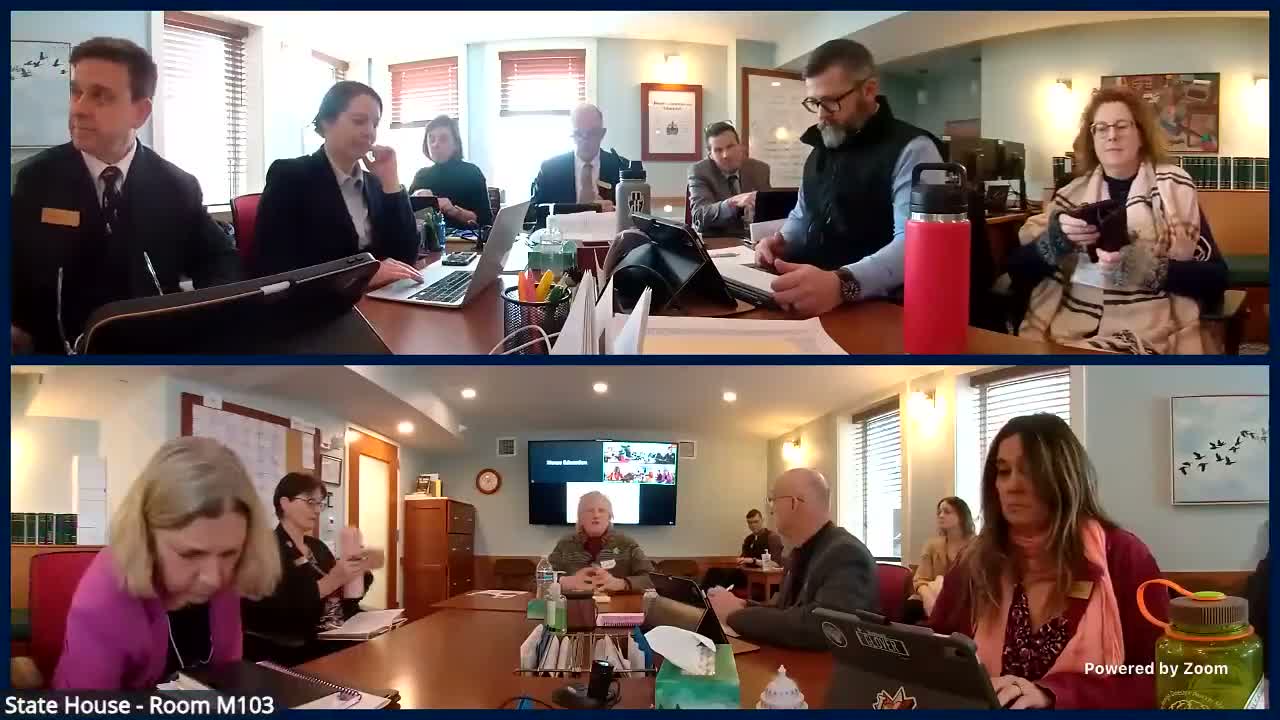
Kristin Chandler, who identified herself as coordinator of Team 2 (a statewide mental-health training program) and a former Randolph Union High School girls basketball coach, told the House Education Committee that Youth Mental Health First Aid is an accessible, scenario-based training she believes should be required for coaches and broadly offered to school staff.
Chandler described the course as an eight-hour, scenario-driven program available virtually and in person through organizations such as Vermont Care Partners, funded in part by a Department of Mental Health grant, a SAMHSA grant, and county-level Department of Health grants. She said some grants target specific supervisory unions, and that the federal SAMHSA grant currently supporting free delivery runs to September of this year.
"If they're going to make me take CPR and these other things, why not, why shouldn't I have to take Youth Mental Health First Aid?" Chandler asked, saying coaching often involves conversations about depression, family life and other personal topics and that the training provided her tools to ask questions and connect students to resources. She told the committee that about 400 people were trained in mental-health-first-aid in Vermont in the past year and that more than 2,300 youth and adults have been supported by someone trained in the approach.
Chandler asked the committee to consider mandating the training for high-school coaches and to encourage wider uptake among school staff; she also noted a March virtual training opportunity targeted to legislators and offered QR-registration information in her written testimony.
What happens next: Chandler's testimony identifies an existing training program and funding sources that legislators could expand or require by statute or guidance; committee members thanked her and posed follow-up questions about practical application.
Chandler described the course as an eight-hour, scenario-driven program available virtually and in person through organizations such as Vermont Care Partners, funded in part by a Department of Mental Health grant, a SAMHSA grant, and county-level Department of Health grants. She said some grants target specific supervisory unions, and that the federal SAMHSA grant currently supporting free delivery runs to September of this year.
"If they're going to make me take CPR and these other things, why not, why shouldn't I have to take Youth Mental Health First Aid?" Chandler asked, saying coaching often involves conversations about depression, family life and other personal topics and that the training provided her tools to ask questions and connect students to resources. She told the committee that about 400 people were trained in mental-health-first-aid in Vermont in the past year and that more than 2,300 youth and adults have been supported by someone trained in the approach.
Chandler asked the committee to consider mandating the training for high-school coaches and to encourage wider uptake among school staff; she also noted a March virtual training opportunity targeted to legislators and offered QR-registration information in her written testimony.
What happens next: Chandler's testimony identifies an existing training program and funding sources that legislators could expand or require by statute or guidance; committee members thanked her and posed follow-up questions about practical application.
View the Full Meeting & All Its Details
This article offers just a summary. Unlock complete video, transcripts, and insights as a Founder Member.
✓
Watch full, unedited meeting videos
✓
Search every word spoken in unlimited transcripts
✓
AI summaries & real-time alerts (all government levels)
✓
Permanent access to expanding government content
30-day money-back guarantee
