Small-business owner tells House panel expired ACA credits pushed her to cheaper, higher-deductible plan
January 23, 2026 | House Committee on Ways and Means, House Committee, House, Legislative, Federal
This article was created by AI summarizing key points discussed. AI makes mistakes, so for full details and context, please refer to the video of the full meeting. Please report any errors so we can fix them. Report an error »
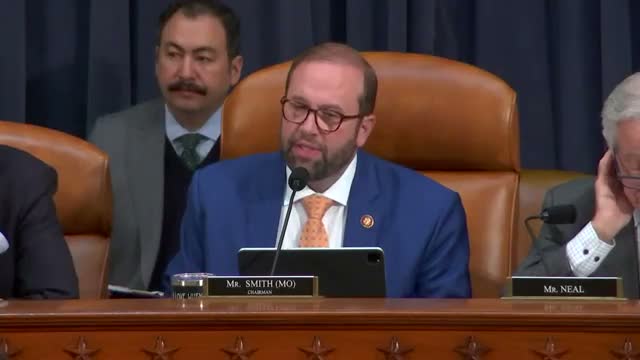
WASHINGTON — During the House Ways and Means Committee hearing on Jan. 30, 2025, Rishanda Young, a small-business owner and breast cancer survivor, put a human face on the committee’s debate over the expired enhanced Affordable Care Act premium tax credits.
Speaking during the witnesses’ initial statements, Young said she purchased a gold-plan ACA policy in 2025 at $94 per month when enhanced credits were in effect. "This year, upon the expiration of the enhanced tax credits, that same plan would cost me $592 per month," she said, adding that the change forced her to drop to a bronze plan to keep a similar monthly premium.
Young told members the downgrade increased her deductible from $1,500 to $7,500 and raised her out‑of‑pocket maximum to $10,000; she said coinsurance rose from 25 percent to 50 percent for some services. "This isn't about luxury coverage," she said. "This is about access to basic and essential life‑saving and sustaining care."
Ranking Member Neal and other Democrats used Young’s testimony to urge restoration of the enhanced premium tax credits as immediate relief for families facing steep monthly increases and higher exposure to catastrophic medical costs. Several Republicans emphasized longer-term, structural reforms—such as changing provider payment incentives, expanding competition, and increasing price transparency—as the route to lower costs over time.
Young’s account prompted bipartisan follow‑up questions from committee members about the real-world impacts of subsidy expiration on enrollment, plan selection, and access to care. Committee members also asked witnesses from the insurance industry whether companies would voluntarily reinvest profits or otherwise act to blunt the effects of subsidy loss; UnitedHealth said it would rebate profits on ACA individual plans this year, while other insurers described narrower or different approaches.
Young closed by urging lawmakers to "remember stories like mine" when weighing policy choices, saying that premium tax credits were "not a handout" but "a smart investment in public health, economic stability, and entrepreneurship."
Speaking during the witnesses’ initial statements, Young said she purchased a gold-plan ACA policy in 2025 at $94 per month when enhanced credits were in effect. "This year, upon the expiration of the enhanced tax credits, that same plan would cost me $592 per month," she said, adding that the change forced her to drop to a bronze plan to keep a similar monthly premium.
Young told members the downgrade increased her deductible from $1,500 to $7,500 and raised her out‑of‑pocket maximum to $10,000; she said coinsurance rose from 25 percent to 50 percent for some services. "This isn't about luxury coverage," she said. "This is about access to basic and essential life‑saving and sustaining care."
Ranking Member Neal and other Democrats used Young’s testimony to urge restoration of the enhanced premium tax credits as immediate relief for families facing steep monthly increases and higher exposure to catastrophic medical costs. Several Republicans emphasized longer-term, structural reforms—such as changing provider payment incentives, expanding competition, and increasing price transparency—as the route to lower costs over time.
Young’s account prompted bipartisan follow‑up questions from committee members about the real-world impacts of subsidy expiration on enrollment, plan selection, and access to care. Committee members also asked witnesses from the insurance industry whether companies would voluntarily reinvest profits or otherwise act to blunt the effects of subsidy loss; UnitedHealth said it would rebate profits on ACA individual plans this year, while other insurers described narrower or different approaches.
Young closed by urging lawmakers to "remember stories like mine" when weighing policy choices, saying that premium tax credits were "not a handout" but "a smart investment in public health, economic stability, and entrepreneurship."
View the Full Meeting & All Its Details
This article offers just a summary. Unlock complete video, transcripts, and insights as a Founder Member.
✓
Watch full, unedited meeting videos
✓
Search every word spoken in unlimited transcripts
✓
AI summaries & real-time alerts (all government levels)
✓
Permanent access to expanding government content
30-day money-back guarantee
