Jockey Club, horsemen and breeders outline industry operations, jobs and community ties
January 21, 2026 | Appropriations Committee, HOUSE OF REPRESENTATIVES, Committees, Legislative, Maryland
This article was created by AI summarizing key points discussed. AI makes mistakes, so for full details and context, please refer to the video of the full meeting. Please report any errors so we can fix them. Report an error »
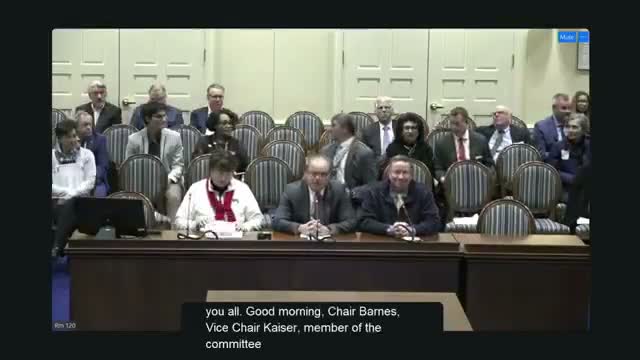
Bill Knopf, president and general manager of the Maryland Jockey Club, said the nonprofit Maryland Jockey Club began operating in January 2025 and is managing Laurel Park operations this year; he said the organization seeks to grow attendance and wagering and supported programming that engages local communities with promotions and events. "We immediately began operating Laurel Park... In '25, we showed a 14% increase in the per average wagering day handle from '24 to '25," Knopf said.
David Richardson, executive director of the Maryland Thoroughbred Horsemen's Association, described the association's social programs, health care and a $1,000,000 pension plan for members and said the industry has endured a long period of volatility and needs sustained support.
Cricket Goodall of the Maryland Horse Breeders Association emphasized the agricultural role of breeders, the Maryland Breeders Fund and workforce development programs including the Maryland Horse Career Program. Standardbred representatives and racetrack general managers from Ocean Downs, Winback Farm and Rosecroft Raceway described local economic impacts, year-round simulcast wagering and community events that support jobs and regional tourism.
Why it matters: industry groups provide operational context and workforce programs that influence how redevelopment and any move to a shipping model affect jobs, housing for backstretch workers, and community investment funds. Committee members pressed for clarity on how impact funds and worker housing needs will be managed if Laurel becomes a private training facility.
Next steps: committee asked MSA/Medco and the Maryland Jockey Club to report back with details on impact funds, backstretch housing remediation and any statutory implications for local benefit allocations.
David Richardson, executive director of the Maryland Thoroughbred Horsemen's Association, described the association's social programs, health care and a $1,000,000 pension plan for members and said the industry has endured a long period of volatility and needs sustained support.
Cricket Goodall of the Maryland Horse Breeders Association emphasized the agricultural role of breeders, the Maryland Breeders Fund and workforce development programs including the Maryland Horse Career Program. Standardbred representatives and racetrack general managers from Ocean Downs, Winback Farm and Rosecroft Raceway described local economic impacts, year-round simulcast wagering and community events that support jobs and regional tourism.
Why it matters: industry groups provide operational context and workforce programs that influence how redevelopment and any move to a shipping model affect jobs, housing for backstretch workers, and community investment funds. Committee members pressed for clarity on how impact funds and worker housing needs will be managed if Laurel becomes a private training facility.
Next steps: committee asked MSA/Medco and the Maryland Jockey Club to report back with details on impact funds, backstretch housing remediation and any statutory implications for local benefit allocations.
View the Full Meeting & All Its Details
This article offers just a summary. Unlock complete video, transcripts, and insights as a Founder Member.
✓
Watch full, unedited meeting videos
✓
Search every word spoken in unlimited transcripts
✓
AI summaries & real-time alerts (all government levels)
✓
Permanent access to expanding government content
30-day money-back guarantee
