Senators Press Coast Guard on Turning $25 Billion Reconciliation Windfall into Operational Capability
January 30, 2026 | Commerce, Science, and Transportation: Senate Committee, Standing Committees - House & Senate, Congressional Hearings Compilation, Legislative, Federal
This article was created by AI summarizing key points discussed. AI makes mistakes, so for full details and context, please refer to the video of the full meeting. Please report any errors so we can fix them. Report an error »
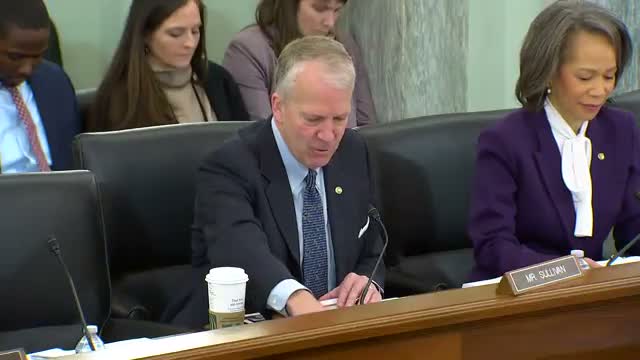
"We've already obligated $7,800,000,000 and will obligate over 20,000,000,000, 75% of the full amount, by the end of this year to deliver new cutters, boats, aircraft, shore infrastructure, and technology," Admiral Kevin Lundy said in his opening statement. He added that the funds are a "down payment" and that sustained annual top-line appropriations for operating funds are required to realize Force Design 2028 goals.
Committee members focused on three linked challenges: converting procurement dollars into delivered platforms, fielding crews and training capacity to operate the new assets, and ensuring families and housing needs are met so personnel remain in the service. Ranking Member Senator Blunt Rochester highlighted workforce priorities, saying recruitment and family supports are central to converting investment into operational capability.
The commandant described acquisition reforms meant to speed delivery — for example, reducing boutique, requirement-driven pre-acquisition processes and relying in part on commercial shipbuilders — and outlined near-term outcomes his office expects to deliver, including expanded use of autonomous systems and awarded infrastructure contracts.
Admiral Lundy also warned of operational risks from potential funding lapses. "Any lapse in appropriation disrupts our ability to conduct operations, rebuild readiness, and deliver value to the American people," he said, urging Congress to pass a budget that preserves Coast Guard funding.
The committee pressed for more detailed briefings and documentation. Admiral Lundy committed to additional staff briefings on the reconciliation execution and agreed to respond to written questions for the record by committee deadlines. Senators also reserved follow-up oversight to confirm that obligated funds result in the fielded capabilities promised under Force Design 2028.
Next steps: the committee set a deadline for senators to submit questions for the record and asked for responses; members signaled ongoing oversight of implementation and appropriations planning.
View the Full Meeting & All Its Details
This article offers just a summary. Unlock complete video, transcripts, and insights as a Founder Member.
30-day money-back guarantee
