Humboldt Bay Harbor District previews schedule, technical studies for proposed offshore-wind terminal
February 15, 2025 | Humboldt County, California
This article was created by AI summarizing key points discussed. AI makes mistakes, so for full details and context, please refer to the video of the full meeting. Please report any errors so we can fix them. Report an error »
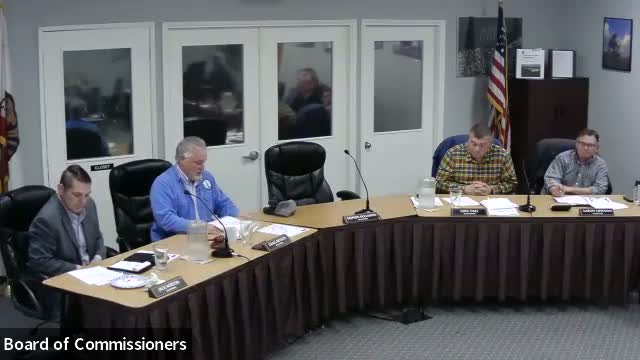
HUMBOLDT BAY — The Humboldt Bay Harbor Recreation and Conservation District on Monday received a comprehensive status update on the proposed offshore‑wind heavy‑lift terminal and the Baywide master plan, including a schedule for environmental review and a preview of technical studies that will underpin upcoming permit decisions.
Rob, the district staff lead on the project, told commissioners the district has posted the project’s technical materials and that monthly briefings will feature subject specialists so board members and the public are prepared for decisions in early 2026. "You can go to our website… click on this project, and you can access a lot of information about the project, including all of these technical studies," he said.
Why it matters: The terminal proposal would require extensive federal and state permitting, relocation of some existing mariculture and fishing‑related operations, and compensatory habitat mitigation for biological impacts. The district said those requirements, combined with seasonally constrained surveys, make the permitting schedule complex and dependent on many precursor studies.
Key points:
- Schedule and public materials: Staff plans discrete monthly thematic presentations over the next 11 months and expects the district to receive the CEQA draft environmental impact report in March 2026. Staff outlined a simplified project timeline that anticipates mitigation construction in 2026–27, Phase 1 construction in 2027–28 and potential operations by 2030–31, but emphasized the schedule is dependent on study timing and permitting.
- Community engagement and advisory committees: Rob described multiple advisory bodies already formed or in formation — technical, community benefits, fishermen, aquaculture and Town of Samoa steering committees — and said those groups will feed the district’s review process.
- Design and technical workstreams: Consultant Shane Phillips outlined specialty studies planned for hydrodynamic analysis, navigation/tow‑out simulations, geotechnical drilling, civil and electrical engineering, noise and vessel‑movement modeling, and green‑terminal planning. He said the current effort is advancing design from roughly 15% to 30% with continued special studies.
- Regulatory and mitigation requirements: Adam of Moffatt & Nichol summarized the permitting matrix: the Harbor District will be the CEQA lead agency and MARAD is expected to lead NEPA; other required approvals include the Army Corps, the State Water Resources Control Board, California Department of Fish and Wildlife (including incidental‑take permitting for species such as longfin smelt and possibly coho salmon), US Fish and Wildlife Service, National Marine Fisheries Service and Coastal Commission consultation. He said a bay‑wide mitigation program (eelgrass, wetlands and other habitat restoration) is part of the project planning.
- Mariculture and tenant relocation: Adam said relocation planning for mariculture tenants (oyster, clam, seaweed cultures and fishing storage) is included in the project scope; some activities, such as Woodley Island work dock improvements, may require separate Coastal Commission permitting or amendments to existing permits.
- Energy and green‑port considerations: Commissioners asked whether hydrogen storage or full electrification would be part of the project. Staff said the project currently includes a $10 million grant allocation for on‑site solar (roughly 2.5 megawatts as a planning estimate) and that hydrogen storage is not in Phase 1 but could be considered later as technologies and demand evolve.
No formal action: The presentation was informational; the board did not take a vote on project approvals tonight. Staff will continue monthly technical briefings and return with the DEIR and specific permitting requests when available.
What’s next: Staff said the March meeting is expected to include detailed presentations on planned project amenities and permitting strategy and to present the DEIR once it is complete.
Rob, the district staff lead on the project, told commissioners the district has posted the project’s technical materials and that monthly briefings will feature subject specialists so board members and the public are prepared for decisions in early 2026. "You can go to our website… click on this project, and you can access a lot of information about the project, including all of these technical studies," he said.
Why it matters: The terminal proposal would require extensive federal and state permitting, relocation of some existing mariculture and fishing‑related operations, and compensatory habitat mitigation for biological impacts. The district said those requirements, combined with seasonally constrained surveys, make the permitting schedule complex and dependent on many precursor studies.
Key points:
- Schedule and public materials: Staff plans discrete monthly thematic presentations over the next 11 months and expects the district to receive the CEQA draft environmental impact report in March 2026. Staff outlined a simplified project timeline that anticipates mitigation construction in 2026–27, Phase 1 construction in 2027–28 and potential operations by 2030–31, but emphasized the schedule is dependent on study timing and permitting.
- Community engagement and advisory committees: Rob described multiple advisory bodies already formed or in formation — technical, community benefits, fishermen, aquaculture and Town of Samoa steering committees — and said those groups will feed the district’s review process.
- Design and technical workstreams: Consultant Shane Phillips outlined specialty studies planned for hydrodynamic analysis, navigation/tow‑out simulations, geotechnical drilling, civil and electrical engineering, noise and vessel‑movement modeling, and green‑terminal planning. He said the current effort is advancing design from roughly 15% to 30% with continued special studies.
- Regulatory and mitigation requirements: Adam of Moffatt & Nichol summarized the permitting matrix: the Harbor District will be the CEQA lead agency and MARAD is expected to lead NEPA; other required approvals include the Army Corps, the State Water Resources Control Board, California Department of Fish and Wildlife (including incidental‑take permitting for species such as longfin smelt and possibly coho salmon), US Fish and Wildlife Service, National Marine Fisheries Service and Coastal Commission consultation. He said a bay‑wide mitigation program (eelgrass, wetlands and other habitat restoration) is part of the project planning.
- Mariculture and tenant relocation: Adam said relocation planning for mariculture tenants (oyster, clam, seaweed cultures and fishing storage) is included in the project scope; some activities, such as Woodley Island work dock improvements, may require separate Coastal Commission permitting or amendments to existing permits.
- Energy and green‑port considerations: Commissioners asked whether hydrogen storage or full electrification would be part of the project. Staff said the project currently includes a $10 million grant allocation for on‑site solar (roughly 2.5 megawatts as a planning estimate) and that hydrogen storage is not in Phase 1 but could be considered later as technologies and demand evolve.
No formal action: The presentation was informational; the board did not take a vote on project approvals tonight. Staff will continue monthly technical briefings and return with the DEIR and specific permitting requests when available.
What’s next: Staff said the March meeting is expected to include detailed presentations on planned project amenities and permitting strategy and to present the DEIR once it is complete.
Don't Miss a Word: See the Full Meeting!
Go beyond summaries. Unlock every video, transcript, and key insight with a Founder Membership.
✓
Get instant access to full meeting videos
✓
Search and clip any phrase from complete transcripts
✓
Receive AI-powered summaries & custom alerts
✓
Enjoy lifetime, unrestricted access to government data
30-day money-back guarantee
