Harbor District presentation outlines Spartina densiflora impacts, control methods and high cost of eradication
February 15, 2025 | Humboldt County, California
This article was created by AI summarizing key points discussed. AI makes mistakes, so for full details and context, please refer to the video of the full meeting. Please report any errors so we can fix them. Report an error »
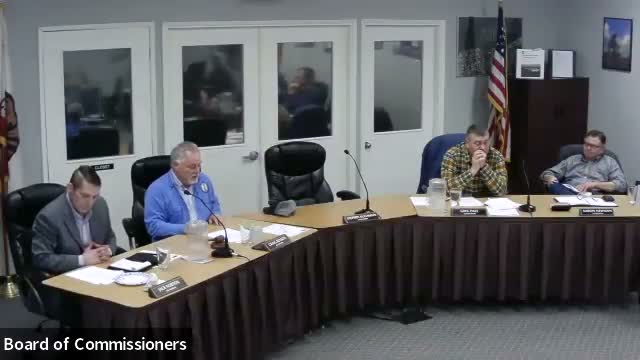
EUREKA — At the meeting’s new‑business item, a district speaker delivered an extended presentation on Spartina densiflora, the invasive cordgrass present in Humboldt Bay, detailing its origin, ecology, impacts on mudflat and marsh biodiversity, control options and the likely scale and cost of eradication.
The presenter said Spartina densiflora arrived on Pacific Coast timber ships from South America and noted that seed and vegetative fragments can travel widely: "We are the center of the inoculum," the presenter said, describing drift‑card studies that show seed dispersal from the bay to other Pacific Coast sites.
Why it matters: Spartina alters marsh and mudflat communities, reduces shorebird forage and below‑ground biodiversity, changes habitat structure and competes with native marsh plants. The district and partners have conducted mapping and treatments for years; the presenter warned eradication at baywide scale is technically difficult, seasonally constrained and costly.
Key presentation details:
- Species, origin and spread: The speaker identified the invasive in Humboldt Bay as Spartina densiflora and said it likely arrived from Rio Grande do Sul (Brazil) and from Argentina/Chile via ballast materials. The plant spreads clonally and by seed.
- Seed production and longevity: The presenter stated that Spartina densiflora can produce large numbers of viable seed and that seeds can remain viable for about two years in the seed bank; the presenter summarized seed‑count and drift studies showing Humboldt Bay as a regional inoculum source.
- Ecological impacts: Multiple studies were cited showing shifts in invertebrate communities (fewer amphipods and soft‑bodied prey preferred by shorebirds in Spartina‑dominated marshes), conversion of mudflat to dense cordgrass in places, altered bird and waterfowl usage patterns and declines in native plant diversity where Spartina is dense.
- Treatment methods and practical constraints: The presenter described a range of control methods tested in the programmatic EIR: mowing and tilling with a 'Marshmaster', mechanical 'grind' methods with tri‑blade cutters, manual removal, tarping, and, elsewhere, herbicide programs that succeeded on other Spartina species. He said mechanical and manual methods are widely used in Humboldt County because community resistance to herbicide is high locally.
- Costs and feasibility: The speaker provided historic measures of control and a rough cost estimate, saying roughly 1,200 acres have been treated over the last 15 years with about $2.5–3.0 million spent to date, and estimated that sustained, baywide eradication could be in the "$50 to $80 million" range and require many decades and substantially scaled workforce and annual effort.
- Outcomes from past removals: The presenter cited studies showing substantial native plant recovery and increases in rare plants following Spartina removal in treated units, and said revegetation is often unnecessary because native species can recolonize once Spartina is removed.
Board discussion and questions covered herbicide use, feasibility of beneficial reuse of dredged material to raise marsh plains, and tradeoffs between selective control at high‑value sites versus attempting broader eradication.
The presentation closed with a caution that while eradication at baywide scale is improbable, targeted control at priority sites is feasible and yields demonstrable biodiversity improvements.
The presenter said Spartina densiflora arrived on Pacific Coast timber ships from South America and noted that seed and vegetative fragments can travel widely: "We are the center of the inoculum," the presenter said, describing drift‑card studies that show seed dispersal from the bay to other Pacific Coast sites.
Why it matters: Spartina alters marsh and mudflat communities, reduces shorebird forage and below‑ground biodiversity, changes habitat structure and competes with native marsh plants. The district and partners have conducted mapping and treatments for years; the presenter warned eradication at baywide scale is technically difficult, seasonally constrained and costly.
Key presentation details:
- Species, origin and spread: The speaker identified the invasive in Humboldt Bay as Spartina densiflora and said it likely arrived from Rio Grande do Sul (Brazil) and from Argentina/Chile via ballast materials. The plant spreads clonally and by seed.
- Seed production and longevity: The presenter stated that Spartina densiflora can produce large numbers of viable seed and that seeds can remain viable for about two years in the seed bank; the presenter summarized seed‑count and drift studies showing Humboldt Bay as a regional inoculum source.
- Ecological impacts: Multiple studies were cited showing shifts in invertebrate communities (fewer amphipods and soft‑bodied prey preferred by shorebirds in Spartina‑dominated marshes), conversion of mudflat to dense cordgrass in places, altered bird and waterfowl usage patterns and declines in native plant diversity where Spartina is dense.
- Treatment methods and practical constraints: The presenter described a range of control methods tested in the programmatic EIR: mowing and tilling with a 'Marshmaster', mechanical 'grind' methods with tri‑blade cutters, manual removal, tarping, and, elsewhere, herbicide programs that succeeded on other Spartina species. He said mechanical and manual methods are widely used in Humboldt County because community resistance to herbicide is high locally.
- Costs and feasibility: The speaker provided historic measures of control and a rough cost estimate, saying roughly 1,200 acres have been treated over the last 15 years with about $2.5–3.0 million spent to date, and estimated that sustained, baywide eradication could be in the "$50 to $80 million" range and require many decades and substantially scaled workforce and annual effort.
- Outcomes from past removals: The presenter cited studies showing substantial native plant recovery and increases in rare plants following Spartina removal in treated units, and said revegetation is often unnecessary because native species can recolonize once Spartina is removed.
Board discussion and questions covered herbicide use, feasibility of beneficial reuse of dredged material to raise marsh plains, and tradeoffs between selective control at high‑value sites versus attempting broader eradication.
The presentation closed with a caution that while eradication at baywide scale is improbable, targeted control at priority sites is feasible and yields demonstrable biodiversity improvements.
Don't Miss a Word: See the Full Meeting!
Go beyond summaries. Unlock every video, transcript, and key insight with a Founder Membership.
✓
Get instant access to full meeting videos
✓
Search and clip any phrase from complete transcripts
✓
Receive AI-powered summaries & custom alerts
✓
Enjoy lifetime, unrestricted access to government data
30-day money-back guarantee
