Grantees raise confidentiality and workload concerns as MLSC implements row‑level reporting
January 30, 2026 | Legal Services Corporation, Independent Federal Agency, Executive, Federal
This article was created by AI summarizing key points discussed. AI makes mistakes, so for full details and context, please refer to the video of the full meeting. Please report any errors so we can fix them. Report an error »
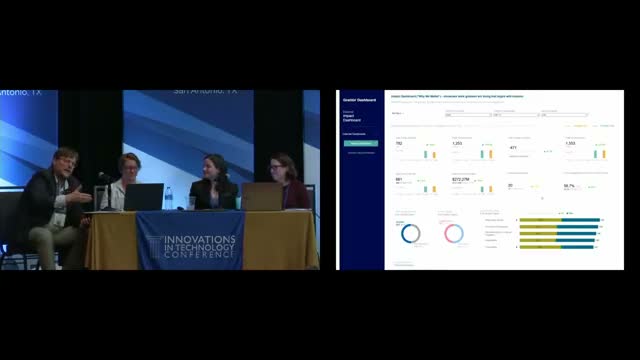
During a Jan. 28 session on MLSC’s shift to row‑level reporting, grantees pressed presenters on two recurring issues: the workload of producing row‑level exports and the risk that supposedly non‑identifying fields could re‑identify clients.
Multiple audience members described the technical and staff burdens of preparing exports and mapping fields, especially for organizations using older or heavily customized case management systems. MLSC staff acknowledged the upfront pain and said the funder provided multiple rounds of technology grants and one‑on‑one support to ease the transition. Presenters also urged early planning, clear feasibility thresholds and persistent communication to reduce churn.
On confidentiality, presenters emphasized they will not accept sensitive personally identifying information (PII) such as Social Security numbers or bank account data and said they removed PII from submissions when it appeared. For small counties and sensitive case types (for example, domestic violence), MLSC said it will consider regional aggregation instead of county‑level reporting to reduce re‑identification risk.
Audience members warned that combinations of seemingly innocuous fields — a street name, a judge’s name, and a case closing date — can re‑identify clients, particularly in city‑run programs that feed into municipal systems. Presenters acknowledged the risk and described platform security (Tableau Cloud and a HIPAA‑compliant Azure warehouse) and access controls (pro‑level permissions) as part of their mitigation strategy.
MLSC said it will continue to refine its glossary, mapping guidance, and error‑tracking tools; it invited grantees to request additional help and offered to mirror back analyses and individualized dashboards so each organization can use its own data for internal decisions. Presenters cautioned that robust intersectional analyses are a future objective and will depend on validated, de‑identified, high‑quality data.
Multiple audience members described the technical and staff burdens of preparing exports and mapping fields, especially for organizations using older or heavily customized case management systems. MLSC staff acknowledged the upfront pain and said the funder provided multiple rounds of technology grants and one‑on‑one support to ease the transition. Presenters also urged early planning, clear feasibility thresholds and persistent communication to reduce churn.
On confidentiality, presenters emphasized they will not accept sensitive personally identifying information (PII) such as Social Security numbers or bank account data and said they removed PII from submissions when it appeared. For small counties and sensitive case types (for example, domestic violence), MLSC said it will consider regional aggregation instead of county‑level reporting to reduce re‑identification risk.
Audience members warned that combinations of seemingly innocuous fields — a street name, a judge’s name, and a case closing date — can re‑identify clients, particularly in city‑run programs that feed into municipal systems. Presenters acknowledged the risk and described platform security (Tableau Cloud and a HIPAA‑compliant Azure warehouse) and access controls (pro‑level permissions) as part of their mitigation strategy.
MLSC said it will continue to refine its glossary, mapping guidance, and error‑tracking tools; it invited grantees to request additional help and offered to mirror back analyses and individualized dashboards so each organization can use its own data for internal decisions. Presenters cautioned that robust intersectional analyses are a future objective and will depend on validated, de‑identified, high‑quality data.
View the Full Meeting & All Its Details
This article offers just a summary. Unlock complete video, transcripts, and insights as a Founder Member.
✓
Watch full, unedited meeting videos
✓
Search every word spoken in unlimited transcripts
✓
AI summaries & real-time alerts (all government levels)
✓
Permanent access to expanding government content
30-day money-back guarantee
