U.S. humanitarian shipments arrive in Santiago de Cuba for Hurricane Melissa victims
This article was created by AI summarizing key points discussed. AI makes mistakes, so for full details and context, please refer to the video of the full meeting. Please report any errors so we can fix them. Report an error »
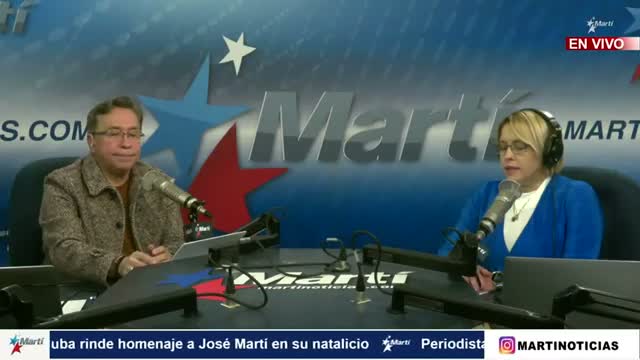
Ce1ritas reported that, on the day covered by Marted Noticias AM, Santiago de Cuba received a third shipment of humanitarian assistance from the United States for victims of Hurricane Melissa. Program reporting said the cargo, accompanied by representatives of the Archdiocese of Miami, includes 648 food kits and 510 hygiene kits to be distributed gradually by parish teams and volunteers in the San Jose9 community.
The broadcast said the shipments follow earlier deliveries on Jan. 14 and Jan. 16 whose total U.S.-origin value was reported as $3,000,000. Marteds report described distribution protocols prioritizing mothers, the elderly and people with disabilities and said Ce1ritas and partner agencies aim to ensure humanitarian principles and transparency.
The program reported that the deliveries have heightened tensions with Havana; on air it was said the Cuban government accused the United States of trying to evade official channels, while the Catholic Church offered to act as a neutral intermediary to ensure assistance reaches those identified as most vulnerable.
Why it matters: Humanitarian deliveries to regions affected by hurricanes can save lives and also become politicized; the program documented both logistical details (numbers of kits, prioritization) and diplomatic friction reported between Washington and Havana.
What remains unclear: The broadcast summarized government objections but did not present an official Cuban government statement on-air detailing the accusations or any response from U.S. officials beyond the confirmation of the shipments.
The broadcast said the shipments follow earlier deliveries on Jan. 14 and Jan. 16 whose total U.S.-origin value was reported as $3,000,000. Marteds report described distribution protocols prioritizing mothers, the elderly and people with disabilities and said Ce1ritas and partner agencies aim to ensure humanitarian principles and transparency.
The program reported that the deliveries have heightened tensions with Havana; on air it was said the Cuban government accused the United States of trying to evade official channels, while the Catholic Church offered to act as a neutral intermediary to ensure assistance reaches those identified as most vulnerable.
Why it matters: Humanitarian deliveries to regions affected by hurricanes can save lives and also become politicized; the program documented both logistical details (numbers of kits, prioritization) and diplomatic friction reported between Washington and Havana.
What remains unclear: The broadcast summarized government objections but did not present an official Cuban government statement on-air detailing the accusations or any response from U.S. officials beyond the confirmation of the shipments.
Don't Miss a Word: See the Full Meeting!
Go beyond summaries. Unlock every video, transcript, and key insight with a Founder Membership.
✓
Get instant access to full meeting videos
✓
Search and clip any phrase from complete transcripts
✓
Receive AI-powered summaries & custom alerts
✓
Enjoy lifetime, unrestricted access to government data
30-day money-back guarantee
