Kiev reports hundreds of buildings without heat as temperatures plummet; volunteers and shelters respond
This article was created by AI summarizing key points discussed. AI makes mistakes, so for full details and context, please refer to the video of the full meeting. Please report any errors so we can fix them. Report an error »
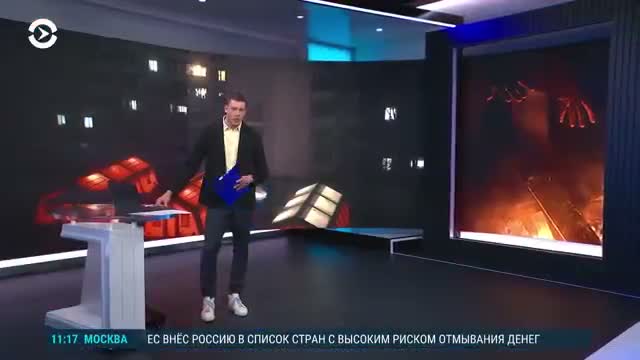
Kyiv officials told broadcasters on January 30 that roughly 400 multi-storey apartment buildings in the capital remained without central heating after recent Russian strikes damaged energy infrastructure. Mayor Vitaliy Klitschko was cited on the program Utro saying utilities and energy crews were working around the clock to restore service before an expected cold snap.
The program included a field report from a relief tent where residents could get hot food, charge devices and warm up. Volunteers, including Belarusian activist Alena Zharkevich, said they had organized provisions and planned to improve facilities such as insulating flooring and adding stoves.
A named resident, Lidiya, described water damage and burst radiators in her building and said repeated outages had left apartments at risk of freezing. "People demand heat," a resident told the reporter on camera, describing cracked window frames and a ruptured radiator that forced the building to be evacuated and then partially repaired.
Why it matters: Forecasts of temperatures as low as −25°C increase the immediate humanitarian risk for residents without reliable heating or hot water. The program said rescue services had declared a red alert level and that municipal crews and volunteers were assisting vulnerable households.
What remains uncertain: The broadcast did not provide an independent count of affected households or a timetable for full restoration of services. Officials and volunteers gave on-air descriptions of ongoing repairs and plans to bring more supplies.
Next steps: The program noted municipal and volunteer efforts continue; viewers were told where to seek assistance locally. The item closed with on-the-ground voices urging faster repair work.
The program included a field report from a relief tent where residents could get hot food, charge devices and warm up. Volunteers, including Belarusian activist Alena Zharkevich, said they had organized provisions and planned to improve facilities such as insulating flooring and adding stoves.
A named resident, Lidiya, described water damage and burst radiators in her building and said repeated outages had left apartments at risk of freezing. "People demand heat," a resident told the reporter on camera, describing cracked window frames and a ruptured radiator that forced the building to be evacuated and then partially repaired.
Why it matters: Forecasts of temperatures as low as −25°C increase the immediate humanitarian risk for residents without reliable heating or hot water. The program said rescue services had declared a red alert level and that municipal crews and volunteers were assisting vulnerable households.
What remains uncertain: The broadcast did not provide an independent count of affected households or a timetable for full restoration of services. Officials and volunteers gave on-air descriptions of ongoing repairs and plans to bring more supplies.
Next steps: The program noted municipal and volunteer efforts continue; viewers were told where to seek assistance locally. The item closed with on-the-ground voices urging faster repair work.
Don't Miss a Word: See the Full Meeting!
Go beyond summaries. Unlock every video, transcript, and key insight with a Founder Membership.
✓
Get instant access to full meeting videos
✓
Search and clip any phrase from complete transcripts
✓
Receive AI-powered summaries & custom alerts
✓
Enjoy lifetime, unrestricted access to government data
30-day money-back guarantee
