LLMDs fund neighborhood landscaping and lighting through property-tax assessments
January 26, 2026 | Fairfield, Solano County, California
This article was created by AI summarizing key points discussed. AI makes mistakes, so for full details and context, please refer to the video of the full meeting. Please report any errors so we can fix them. Report an error »
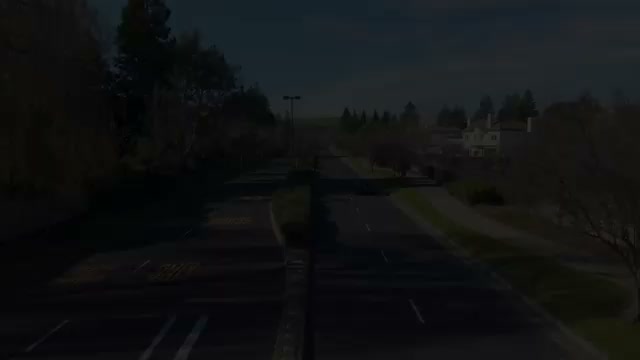
Unidentified Speaker, presenter, said the video was intended to explain how Landscape and Lighting Maintenance Districts, or LLMDs, work and how they are paid for.
An LLMD "is a special financing district created by local governments," the presenter said, noting its purpose is "to provide landscaping, lighting, and other neighborhood improvements that keep your community looking great and functioning safely." The presenter said property owners pay for LLMDs through "a special assessment listed on their annual property tax bill."
Why it matters: LLMDs create a dedicated revenue stream for local enhancements that, according to the presenter, do not compete with a city’s general fund. "Every dollar collected is used only within your LLMD," the presenter said, meaning the revenue is applied to services in the neighborhood that pays the assessment.
The presenter listed neighborhood benefits that LLMD funds typically support: cleaner and more attractive landscaping; ongoing weed abatement and debris removal that can reduce fire risk; and improved street lighting that can enhance nighttime visibility for drivers and pedestrians. On the latter point the presenter said good lighting can increase safety, "crime deterrence through increased lighting," and make public spaces more usable after dark.
The presenter directed viewers to an LLMD webpage, including an interactive LLMD GIS map, for people to check whether their property lies inside an LLMD and to explore details specific to their neighborhood.
The explanation focused on the LLMD funding mechanism and typical services covered; it did not name a sponsoring agency, a specific jurisdiction, or provide dollar figures or the precise assessment amounts. For more information, listeners were advised to consult the LLMD webpage and the GIS map referenced in the presentation.
An LLMD "is a special financing district created by local governments," the presenter said, noting its purpose is "to provide landscaping, lighting, and other neighborhood improvements that keep your community looking great and functioning safely." The presenter said property owners pay for LLMDs through "a special assessment listed on their annual property tax bill."
Why it matters: LLMDs create a dedicated revenue stream for local enhancements that, according to the presenter, do not compete with a city’s general fund. "Every dollar collected is used only within your LLMD," the presenter said, meaning the revenue is applied to services in the neighborhood that pays the assessment.
The presenter listed neighborhood benefits that LLMD funds typically support: cleaner and more attractive landscaping; ongoing weed abatement and debris removal that can reduce fire risk; and improved street lighting that can enhance nighttime visibility for drivers and pedestrians. On the latter point the presenter said good lighting can increase safety, "crime deterrence through increased lighting," and make public spaces more usable after dark.
The presenter directed viewers to an LLMD webpage, including an interactive LLMD GIS map, for people to check whether their property lies inside an LLMD and to explore details specific to their neighborhood.
The explanation focused on the LLMD funding mechanism and typical services covered; it did not name a sponsoring agency, a specific jurisdiction, or provide dollar figures or the precise assessment amounts. For more information, listeners were advised to consult the LLMD webpage and the GIS map referenced in the presentation.
View the Full Meeting & All Its Details
This article offers just a summary. Unlock complete video, transcripts, and insights as a Founder Member.
✓
Watch full, unedited meeting videos
✓
Search every word spoken in unlimited transcripts
✓
AI summaries & real-time alerts (all government levels)
✓
Permanent access to expanding government content
30-day money-back guarantee
