Champlain Valley Farmers Coalition tells committee it has recorded 13,000 acres of farmer‑funded conservation, offers itself as resource
January 29, 2026 | Agriculture, SENATE, Committees, Legislative , Vermont
This article was created by AI summarizing key points discussed. AI makes mistakes, so for full details and context, please refer to the video of the full meeting. Please report any errors so we can fix them. Report an error »
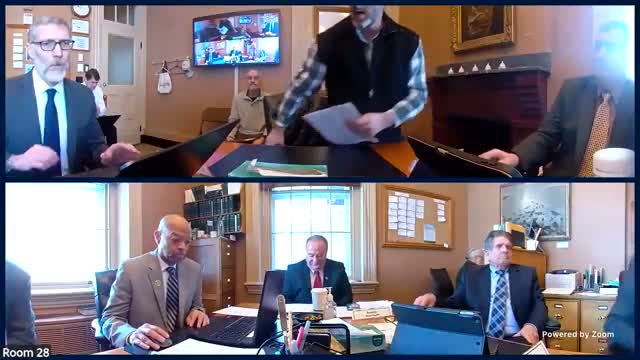
Brian Kemp, cochair of the Champlain Valley Farmers Coalition, told an Agriculture committee the group wants to be a standing resource for legislators and help provide testimony on bills that affect farmers.
"We really wanna be at the table," Kemp said, noting the coalition includes more than 130 member farms and a dozen active directors who regularly testify before the legislature.
Kate Longfield, the coalition’s newly introduced executive director, described the group’s water‑quality program and the effort to record conservation work farmers self‑fund. "I've recorded 13,000 acres of conservation practices," Longfield said, adding she has helped about 24 farms document practices the coalition then reports into state and regional accounting systems.
Longfield said the recording work is important because unrecorded, farmer‑funded conservation does not enter the official narrative used in TMDL and other nutrient‑management accounting. "If these practices aren't recorded, they aren't part of the narrative," she said, arguing that documenting cover cropping, no‑till and other measures is necessary for those reductions to be recognized by regulators and funders.
Speakers also described the coalition’s membership and outreach: more than 500 engaged readers and supporters via newsletters, technical‑assistance visits similar to UVM Extension programs, and partnerships with conservation districts and other watershed groups.
Coalition members said they are active in current policy work, including a CAFO working group. Brian Kemp told the committee they will bring the group's proposal to the legislature as work continues on a fair and clear approach to CAFO regulation.
The coalition asked the committee to call on them when bills arrive and to include them in stakeholder conversations. Committee members said they welcome the participation and will continue to seek testimony and data from farmers and local partners.
"We really wanna be at the table," Kemp said, noting the coalition includes more than 130 member farms and a dozen active directors who regularly testify before the legislature.
Kate Longfield, the coalition’s newly introduced executive director, described the group’s water‑quality program and the effort to record conservation work farmers self‑fund. "I've recorded 13,000 acres of conservation practices," Longfield said, adding she has helped about 24 farms document practices the coalition then reports into state and regional accounting systems.
Longfield said the recording work is important because unrecorded, farmer‑funded conservation does not enter the official narrative used in TMDL and other nutrient‑management accounting. "If these practices aren't recorded, they aren't part of the narrative," she said, arguing that documenting cover cropping, no‑till and other measures is necessary for those reductions to be recognized by regulators and funders.
Speakers also described the coalition’s membership and outreach: more than 500 engaged readers and supporters via newsletters, technical‑assistance visits similar to UVM Extension programs, and partnerships with conservation districts and other watershed groups.
Coalition members said they are active in current policy work, including a CAFO working group. Brian Kemp told the committee they will bring the group's proposal to the legislature as work continues on a fair and clear approach to CAFO regulation.
The coalition asked the committee to call on them when bills arrive and to include them in stakeholder conversations. Committee members said they welcome the participation and will continue to seek testimony and data from farmers and local partners.
View the Full Meeting & All Its Details
This article offers just a summary. Unlock complete video, transcripts, and insights as a Founder Member.
✓
Watch full, unedited meeting videos
✓
Search every word spoken in unlimited transcripts
✓
AI summaries & real-time alerts (all government levels)
✓
Permanent access to expanding government content
30-day money-back guarantee
