Alamance EMS seeks paramedics and pitches on‑scene blood transfusions, new airway tools
January 22, 2026 | Alamance County, North Carolina
This article was created by AI summarizing key points discussed. AI makes mistakes, so for full details and context, please refer to the video of the full meeting. Please report any errors so we can fix them. Report an error »
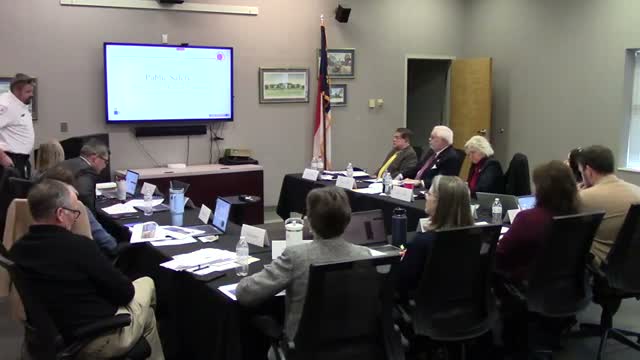
Alamance County’s interim EMS director told the board the department has two priorities tied to public safety: close critical response‑time gaps and stabilize a depleted paramedic workforce.
“We currently have 42 paramedics; we need 64,” William Money said. He explained the shortage has forced the department to reduce the number of Advanced Life Support (paramedic‑staffed) vehicles on some days, rely on Basic Life Support trucks, and contract transport services to ease operational strain.
To improve clinical outcomes in rural calls, EMS proposed two near‑term investments. First, a field‑blood program to equip four quick‑response vehicles and medics with temperature‑controlled blood coolers and re‑warming kits; the one‑time startup cost presented to the board was about $115,000, with a replenishment/rotation plan through a hospital partner so the county is charged only when blood is used. Money said Medicare/insurance billing guidance (a 2025 CMS ALS2 charge example cited at the meeting) means agencies can seek reimbursement for the ALS2 level of care when appropriate.
Second, EMS asked for approximately $30,000 to purchase video laryngoscopes for all ambulances and QRVs. Money said the devices increase first‑pass intubation success and keep providers farther from a patient’s airway during procedures, improving both patient safety and staff protection from bloodborne pathogens.
Money described workforce steps the department is taking: a partnership with Alamance Community College to support EMTs through paramedic training (county contributes a share of salary while trainees attend school), field training and certification pipelines, and recruiting incentives. He said the ACC partnership should graduate five additional paramedics mid‑year, but stressed retention remains a challenge.
Why it matters: EMS is a mandated public‑safety service; staffing shortfalls risk longer response times and reliance on contracted transport. Board members expressed support for investing in clinical tools but also pressed staff for detailed budget tradeoffs and long‑term retention strategies.
Next steps: EMS will provide cost details and deployment plans for the field‑blood program and laryngoscopes and continue regular updates on recruitment outcomes and response‑time metrics.
“We currently have 42 paramedics; we need 64,” William Money said. He explained the shortage has forced the department to reduce the number of Advanced Life Support (paramedic‑staffed) vehicles on some days, rely on Basic Life Support trucks, and contract transport services to ease operational strain.
To improve clinical outcomes in rural calls, EMS proposed two near‑term investments. First, a field‑blood program to equip four quick‑response vehicles and medics with temperature‑controlled blood coolers and re‑warming kits; the one‑time startup cost presented to the board was about $115,000, with a replenishment/rotation plan through a hospital partner so the county is charged only when blood is used. Money said Medicare/insurance billing guidance (a 2025 CMS ALS2 charge example cited at the meeting) means agencies can seek reimbursement for the ALS2 level of care when appropriate.
Second, EMS asked for approximately $30,000 to purchase video laryngoscopes for all ambulances and QRVs. Money said the devices increase first‑pass intubation success and keep providers farther from a patient’s airway during procedures, improving both patient safety and staff protection from bloodborne pathogens.
Money described workforce steps the department is taking: a partnership with Alamance Community College to support EMTs through paramedic training (county contributes a share of salary while trainees attend school), field training and certification pipelines, and recruiting incentives. He said the ACC partnership should graduate five additional paramedics mid‑year, but stressed retention remains a challenge.
Why it matters: EMS is a mandated public‑safety service; staffing shortfalls risk longer response times and reliance on contracted transport. Board members expressed support for investing in clinical tools but also pressed staff for detailed budget tradeoffs and long‑term retention strategies.
Next steps: EMS will provide cost details and deployment plans for the field‑blood program and laryngoscopes and continue regular updates on recruitment outcomes and response‑time metrics.
Don't Miss a Word: See the Full Meeting!
Go beyond summaries. Unlock every video, transcript, and key insight with a Founder Membership.
✓
Get instant access to full meeting videos
✓
Search and clip any phrase from complete transcripts
✓
Receive AI-powered summaries & custom alerts
✓
Enjoy lifetime, unrestricted access to government data
30-day money-back guarantee
