Feasibility study finds CNMI inter‑island passenger-and-vehicle ferry viable but needs federal help and initial subsidies
January 29, 2026 | House, Northern Mariana Legislative Sessions, Northern Mariana Islands
This article was created by AI summarizing key points discussed. AI makes mistakes, so for full details and context, please refer to the video of the full meeting. Please report any errors so we can fix them. Report an error »
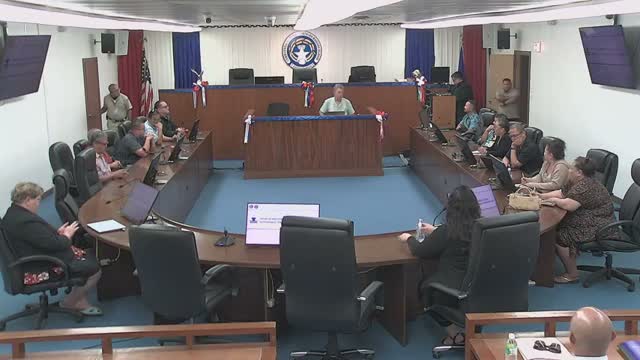
A federal-funded feasibility study presented to CNMI lawmakers found a passenger-and-vehicle ferry linking Saipan, Tinian, Rota and Guam is operationally and financially viable but will need significant capital investment and early operating subsidies.
The study, led by contractor WSP and presented by Brady Nadell, recommends three purpose-built roll-on/roll-off vessels, terminal upgrades at Commonwealth Ports Authority (CPA) properties and a coordinated funding plan that pursues Federal Transit Administration (FTA), Maritime Administration (MARAD), U.S. Department of Agriculture and other grants. "A passenger and freight ferry service is financially and operationally viable," Nadell said during the presentation.
Why it matters: lawmaker and staff speakers said a ferry could lower travel costs between islands, expand family and medical access, support tourism and create jobs; it would also give Rota and Tinian more reliable links for freight and teams that currently rely on expensive air travel. Lawmakers urged rapid next steps because the system will require federal approvals, port upgrades and inter‑jurisdictional harmonization with Guam on customs and biosecurity.
Study findings and numbers: WSP modeled a fleet of three purpose-built monohull vessels about 185–200 feet long, each estimated at roughly $27 million. The recommended ship could carry roughly 100–150 passengers and 15–18 vehicles. Sample frequencies proposed include a twice-daily Saipan–Tinian route, a 3‑to‑4‑days‑per‑week Rota–Guam route and a long Saipan–Guam via Bridal trip (less frequent; the study modeled about one round trip weekly for the longest leg). Nadell said sea-state and comfort drove the vessel sizing: "We came up with a vessel size that's pretty large ... so a trip could go 95% of the time," he said.
On operating finances, the study estimated first-year system operating costs of about $7.6 million and fare revenue near $5.7 million, leaving a first-year subsidy requirement. Modeling in the study projects subsidies shrinking substantially over time and, in some scenarios, dropping to very low levels by year five. Nadell emphasized that "no ferries in the U.S. operate without subsidies," and that vehicle and commercial-vehicle fares would contribute additional revenue.
Terminals and port work: recommended ferry terminals are at CPA properties (Port of Saipan Abel Dock, Tinian Wharf 1, Rota West Harbor and the Port of Guam). Those sites will need vehicle staging areas, ticketing/waiting buildings and parking; Rota requires the most extensive improvements, including merging berths and relocating existing CPA facilities. The report notes narrow channels and local currents, and it recommends experienced captains and tailored ship design to address maneuvering and safety.
Regulatory and logistics challenges: because some routes cross CNMI–Guam boundaries, the study calls for harmonizing customs and biosecurity procedures so vehicle and passenger processing does not create lengthy delays. Lawmakers raised questions about CBP (Customs and Border Protection) logistics, who would staff outlying ports, and whether advance arrangements (CBP on-board or flying officers ahead) would be needed. The study also considered MARAD funding eligibility for cargo-carrying ships and discussed existing marine-highway designation that could unlock additional federal resources.
Governance, procurement and operations: the presentation recommended exploring whether COTA (Commonwealth Office of Transit Authority) should become an autonomous agency to facilitate grant eligibility and program administration. The study outlined two operating models: CNMI government operation or public‑private partnership with a private operator selected via a detailed RFP that would operate, collect fares and maintain vessels.
Next steps and political reaction: presenters asked the legislature to sponsor a Marianas Ferry Working Group to coordinate CNMI, Guam and federal partners, prioritize grants and advance terminal design and vessel design contracts. Legislators expressed broad support but also concerns about governance and protection of dedicated funds. One legislator warned about political patronage if the system were run without safeguards; the presentation team and several lawmakers emphasized procurement discipline and transparency as priorities moving forward.
What comes next: the study sets planning actions—seek design and capital grants, draft RFPs for operators, work with CPA on terminal layouts and form an intergovernmental working group. Implementation was presented as a multi-year program: Nadell said the study envisions a 2–10 year timeline depending on funding availability and design/permitting schedules.
Reporting note: numbers and operational assumptions (vessel size, capacity, per-vessel cost, year-one operating cost and revenue, frequency scenarios) come from the WSP feasibility study presented to the legislature and are subject to revision during design, procurement and grant negotiations.
The study, led by contractor WSP and presented by Brady Nadell, recommends three purpose-built roll-on/roll-off vessels, terminal upgrades at Commonwealth Ports Authority (CPA) properties and a coordinated funding plan that pursues Federal Transit Administration (FTA), Maritime Administration (MARAD), U.S. Department of Agriculture and other grants. "A passenger and freight ferry service is financially and operationally viable," Nadell said during the presentation.
Why it matters: lawmaker and staff speakers said a ferry could lower travel costs between islands, expand family and medical access, support tourism and create jobs; it would also give Rota and Tinian more reliable links for freight and teams that currently rely on expensive air travel. Lawmakers urged rapid next steps because the system will require federal approvals, port upgrades and inter‑jurisdictional harmonization with Guam on customs and biosecurity.
Study findings and numbers: WSP modeled a fleet of three purpose-built monohull vessels about 185–200 feet long, each estimated at roughly $27 million. The recommended ship could carry roughly 100–150 passengers and 15–18 vehicles. Sample frequencies proposed include a twice-daily Saipan–Tinian route, a 3‑to‑4‑days‑per‑week Rota–Guam route and a long Saipan–Guam via Bridal trip (less frequent; the study modeled about one round trip weekly for the longest leg). Nadell said sea-state and comfort drove the vessel sizing: "We came up with a vessel size that's pretty large ... so a trip could go 95% of the time," he said.
On operating finances, the study estimated first-year system operating costs of about $7.6 million and fare revenue near $5.7 million, leaving a first-year subsidy requirement. Modeling in the study projects subsidies shrinking substantially over time and, in some scenarios, dropping to very low levels by year five. Nadell emphasized that "no ferries in the U.S. operate without subsidies," and that vehicle and commercial-vehicle fares would contribute additional revenue.
Terminals and port work: recommended ferry terminals are at CPA properties (Port of Saipan Abel Dock, Tinian Wharf 1, Rota West Harbor and the Port of Guam). Those sites will need vehicle staging areas, ticketing/waiting buildings and parking; Rota requires the most extensive improvements, including merging berths and relocating existing CPA facilities. The report notes narrow channels and local currents, and it recommends experienced captains and tailored ship design to address maneuvering and safety.
Regulatory and logistics challenges: because some routes cross CNMI–Guam boundaries, the study calls for harmonizing customs and biosecurity procedures so vehicle and passenger processing does not create lengthy delays. Lawmakers raised questions about CBP (Customs and Border Protection) logistics, who would staff outlying ports, and whether advance arrangements (CBP on-board or flying officers ahead) would be needed. The study also considered MARAD funding eligibility for cargo-carrying ships and discussed existing marine-highway designation that could unlock additional federal resources.
Governance, procurement and operations: the presentation recommended exploring whether COTA (Commonwealth Office of Transit Authority) should become an autonomous agency to facilitate grant eligibility and program administration. The study outlined two operating models: CNMI government operation or public‑private partnership with a private operator selected via a detailed RFP that would operate, collect fares and maintain vessels.
Next steps and political reaction: presenters asked the legislature to sponsor a Marianas Ferry Working Group to coordinate CNMI, Guam and federal partners, prioritize grants and advance terminal design and vessel design contracts. Legislators expressed broad support but also concerns about governance and protection of dedicated funds. One legislator warned about political patronage if the system were run without safeguards; the presentation team and several lawmakers emphasized procurement discipline and transparency as priorities moving forward.
What comes next: the study sets planning actions—seek design and capital grants, draft RFPs for operators, work with CPA on terminal layouts and form an intergovernmental working group. Implementation was presented as a multi-year program: Nadell said the study envisions a 2–10 year timeline depending on funding availability and design/permitting schedules.
Reporting note: numbers and operational assumptions (vessel size, capacity, per-vessel cost, year-one operating cost and revenue, frequency scenarios) come from the WSP feasibility study presented to the legislature and are subject to revision during design, procurement and grant negotiations.
View the Full Meeting & All Its Details
This article offers just a summary. Unlock complete video, transcripts, and insights as a Founder Member.
✓
Watch full, unedited meeting videos
✓
Search every word spoken in unlimited transcripts
✓
AI summaries & real-time alerts (all government levels)
✓
Permanent access to expanding government content
30-day money-back guarantee
