Vermont clinics and farms push ‘Food Is Medicine’ programs, urge sustainable funding
January 29, 2026 | Agriculture, SENATE, Committees, Legislative , Vermont
This article was created by AI summarizing key points discussed. AI makes mistakes, so for full details and context, please refer to the video of the full meeting. Please report any errors so we can fix them. Report an error »
Tina Zook, government relations director, opened the session on Jan. 28 by framing "Food Is Medicine" as a clinical approach in which health-care providers prescribe fresh, locally grown food to help prevent, manage and treat chronic conditions.
"These efforts result in benefits not only to the patients but also to communities and to farm economies," she said, citing research that modeled savings when medically tailored nutrition is provided at scale.
Advocates and practitioners from across Vermont described how different local models — produce-prescription shares, clinic-based food pharmacies and winter pharmacy programs — plug directly into patient care while creating steady demand for farms. Grace Borach of the Vermont Youth Conservation Board described the HealthCare Share program, now in its 14th season, which provides CSA-style shares plus recipes and cooking classes for patients across several counties. Borach said programs purchased more than 405,000 (units) of food from 39 farms in 2024, a 162% increase from the prior year.
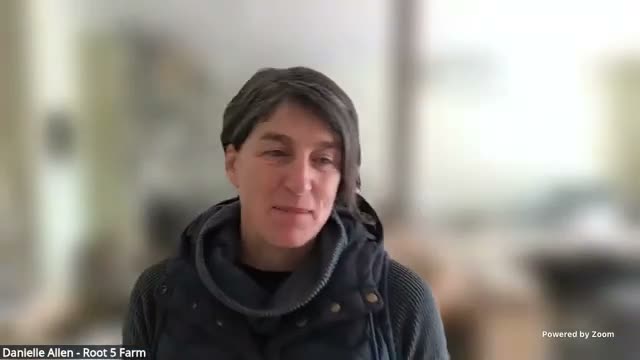
Danielle Allen, a vegetable farmer at Route 5 Farm, said her farm supplied 10 weekly CSA shares to Little Rivers Healthcare and found the arrangement logistically feasible: the program allowed families that could not afford CSA membership to receive weekly boxes while creating a reliable market for the farm.
At the clinic level, Stephanie Pinari, community resource manager for the Health Care Share at Peoples Health and Wellness Clinic, said many patients are uninsured or underinsured and face transportation barriers. "This gives me healthy food," Pinari said, citing participant survey responses that reported more confidence in cooking and increased vegetable consumption.
Maureen Boardman, a family nurse practitioner and director of clinical quality at Little Rivers, described the health-center "food pharmacy" the organization launched in 2020. Little Rivers receives roughly 800–1,200 pounds of food weekly from Willing Hands and about 7,000 pounds from the Vermont Food Bank; the food pharmacy serves about 100 patients on a three-week rotation and requires participants to be food insecure with at least one chronic diagnosis.
Susan Smiley of the Acorn Food Network described the Addison County pharmacy program (started in 2019), which contracts with four local farms, serves about 100 families and added a winter program serving about 65 people monthly. Smiley said Acorn and partner farmers received an estimated $300,000 in payments across eight seasons (2019–2026).
Speakers repeatedly stressed that current programs rely on a patchwork of grants and donations. "What these programs need now is sustained investment," Borach told the committee. To address sustainability, advocates said they have convened a Food Is Medicine task force of policy experts, farmers, federally qualified health centers and payers to explore reimbursement options — including fee-for-service, value-based/capitated models and potential Medicaid or commercial payer pathways.
Tina Zook warned that federal and insurance volatility could affect program financing: she cited early state data showing a net decline of about 2,000 insured individuals reported by the Department for Vermont Health Access and noted upcoming Medicaid redeterminations and policy changes could shift more people into uncompensated care.
Supporters urged legislators to prioritize investments that would cover program operating costs — not only short-term grants — so that clinics and farms can maintain year-round logistics and staffing. "You have to cover the cost of actually providing it," Zook said, describing the difference between pilot grant funding and sustainable reimbursement.
The session closed with committee members acknowledging the potential of the programs and the need for further committee work to identify concrete policy and budgeting steps.
The committee did not adopt new statutory language related to the Food Is Medicine programs during this session; advocates asked for continued engagement as the task force refines funding models.
"These efforts result in benefits not only to the patients but also to communities and to farm economies," she said, citing research that modeled savings when medically tailored nutrition is provided at scale.
Advocates and practitioners from across Vermont described how different local models — produce-prescription shares, clinic-based food pharmacies and winter pharmacy programs — plug directly into patient care while creating steady demand for farms. Grace Borach of the Vermont Youth Conservation Board described the HealthCare Share program, now in its 14th season, which provides CSA-style shares plus recipes and cooking classes for patients across several counties. Borach said programs purchased more than 405,000 (units) of food from 39 farms in 2024, a 162% increase from the prior year.
Danielle Allen, a vegetable farmer at Route 5 Farm, said her farm supplied 10 weekly CSA shares to Little Rivers Healthcare and found the arrangement logistically feasible: the program allowed families that could not afford CSA membership to receive weekly boxes while creating a reliable market for the farm.
At the clinic level, Stephanie Pinari, community resource manager for the Health Care Share at Peoples Health and Wellness Clinic, said many patients are uninsured or underinsured and face transportation barriers. "This gives me healthy food," Pinari said, citing participant survey responses that reported more confidence in cooking and increased vegetable consumption.
Maureen Boardman, a family nurse practitioner and director of clinical quality at Little Rivers, described the health-center "food pharmacy" the organization launched in 2020. Little Rivers receives roughly 800–1,200 pounds of food weekly from Willing Hands and about 7,000 pounds from the Vermont Food Bank; the food pharmacy serves about 100 patients on a three-week rotation and requires participants to be food insecure with at least one chronic diagnosis.
Susan Smiley of the Acorn Food Network described the Addison County pharmacy program (started in 2019), which contracts with four local farms, serves about 100 families and added a winter program serving about 65 people monthly. Smiley said Acorn and partner farmers received an estimated $300,000 in payments across eight seasons (2019–2026).
Speakers repeatedly stressed that current programs rely on a patchwork of grants and donations. "What these programs need now is sustained investment," Borach told the committee. To address sustainability, advocates said they have convened a Food Is Medicine task force of policy experts, farmers, federally qualified health centers and payers to explore reimbursement options — including fee-for-service, value-based/capitated models and potential Medicaid or commercial payer pathways.
Tina Zook warned that federal and insurance volatility could affect program financing: she cited early state data showing a net decline of about 2,000 insured individuals reported by the Department for Vermont Health Access and noted upcoming Medicaid redeterminations and policy changes could shift more people into uncompensated care.
Supporters urged legislators to prioritize investments that would cover program operating costs — not only short-term grants — so that clinics and farms can maintain year-round logistics and staffing. "You have to cover the cost of actually providing it," Zook said, describing the difference between pilot grant funding and sustainable reimbursement.
The session closed with committee members acknowledging the potential of the programs and the need for further committee work to identify concrete policy and budgeting steps.
The committee did not adopt new statutory language related to the Food Is Medicine programs during this session; advocates asked for continued engagement as the task force refines funding models.
View the Full Meeting & All Its Details
This article offers just a summary. Unlock complete video, transcripts, and insights as a Founder Member.
✓
Watch full, unedited meeting videos
✓
Search every word spoken in unlimited transcripts
✓
AI summaries & real-time alerts (all government levels)
✓
Permanent access to expanding government content
30-day money-back guarantee
