Davis forum spotlights immigrant safety needs; advocates press for sanctuary ordinance, legal aid and housing support
January 26, 2026 | Davis, Yolo County, California
This article was created by AI summarizing key points discussed. AI makes mistakes, so for full details and context, please refer to the video of the full meeting. Please report any errors so we can fix them. Report an error »
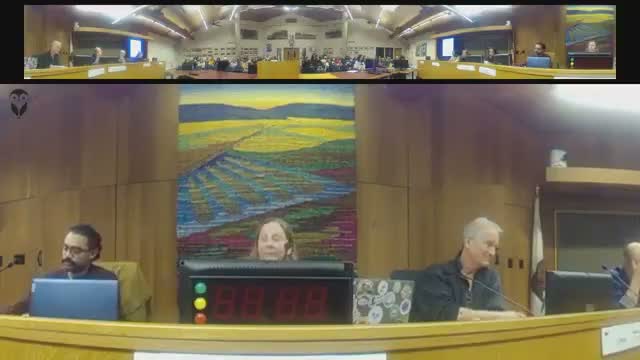
Davis Human Relations Commission members heard more than two hours of testimony Wednesday night at an Immigrant Safety and Solidarity Forum, where community advocates and service providers urged the city to adopt stronger protections and fund legal, housing and mental-health supports for immigrant residents.
Speakers including Danila Tevez, a formerly undocumented resident, and Amanda Perez, co‑director of the UC Davis immigration law clinic and California Rural Legal Assistance Foundation, described fear and practical harms facing mixed‑status families. "Students are afraid to go to school, parents are afraid to leave their homes to go to work," Perez said, urging coordinated rapid‑response plans and more removal‑defense resources. Danila Tevez urged practical tenant protections such as publishing which landlords accept ITINs or alternative IDs, saying that would “put a lot of families at ease.”
Why it matters: presenters from local organizations — the Yolo County Library, NorCal Resist, the International Rescue Committee and the Davis Phoenix Coalition among them — told commissioners that know‑your‑rights trainings are useful but insufficient because many attendees cannot access follow‑up legal representation. Anne of the Immigrant Legal Resource Center said the community needs more "removal defense and habeas advocacy" and warning that regional enforcement surges can outpace existing legal capacity.
Presenters repeatedly raised housing as a central stressor. Ignacio Hernandez and other speakers said local rents and job instability make immigrant households especially vulnerable; one speaker cited two‑bedroom rentals at about $2,500 and a county assessment reporting a median annual income of about $20,000 for some farmworkers. Nonprofit representatives proposed a mix of short‑term mutual‑aid housing, funding for legal and mental‑health services and a city role in amplifying and coordinating existing community resources.
Sanctuary ordinance: the subcommittee that has drafted a proposed sanctuary ordinance told the commission it believes the draft falls within the HRC's approved work plan. Several presenters and public commenters called for the commission and the council to move quickly. Commissioners voted to ask the City Council to clarify whether the HRC's work plan authorizes drafting an ordinance and to permit the subcommittee to present its draft to the full commission for public review and discussion; that motion passed by voice vote.
Commission priorities suggested by presenters and commissioners include: funding for locally based immigration legal services; creation of a vetted list of affordable, trustworthy legal providers; expansion of know‑your‑rights and emergency family‑preparation resources; a rapid‑response coordination plan tied to regional networks; and targeted housing supports such as flexible lease terms or short‑term rent assistance.
What happened procedurally: in addition to the forum, the commission approved routine items including minutes and a Day of Remembrance film co‑sponsorship, extended the meeting to allow extra time for discussion, and approved the Tom Heilman Awards timeline. On the sanctuary ordinance, staff and the commission discussed the need to coordinate any draft with the city attorney and city clerk's offices so staff review can occur while the commission conducts public discussion of the draft.
Quotes that capture the moment: "We need a way to coordinate and supplement existing immigrant services," said Amanda Perez. "You can't be a sanctuary city if no one can afford to live here," said a presenter who described the overlapping pressures of immigration enforcement and high housing costs.
Next steps: commissioners agreed to return to these recommendations at their next meeting, asked staff to seek council clarification about the HRC's authority to draft an ordinance, and directed the sanctuary subcommittee to continue refining its proposal and working with staff so the commission can review a public draft.
Speakers including Danila Tevez, a formerly undocumented resident, and Amanda Perez, co‑director of the UC Davis immigration law clinic and California Rural Legal Assistance Foundation, described fear and practical harms facing mixed‑status families. "Students are afraid to go to school, parents are afraid to leave their homes to go to work," Perez said, urging coordinated rapid‑response plans and more removal‑defense resources. Danila Tevez urged practical tenant protections such as publishing which landlords accept ITINs or alternative IDs, saying that would “put a lot of families at ease.”
Why it matters: presenters from local organizations — the Yolo County Library, NorCal Resist, the International Rescue Committee and the Davis Phoenix Coalition among them — told commissioners that know‑your‑rights trainings are useful but insufficient because many attendees cannot access follow‑up legal representation. Anne of the Immigrant Legal Resource Center said the community needs more "removal defense and habeas advocacy" and warning that regional enforcement surges can outpace existing legal capacity.
Presenters repeatedly raised housing as a central stressor. Ignacio Hernandez and other speakers said local rents and job instability make immigrant households especially vulnerable; one speaker cited two‑bedroom rentals at about $2,500 and a county assessment reporting a median annual income of about $20,000 for some farmworkers. Nonprofit representatives proposed a mix of short‑term mutual‑aid housing, funding for legal and mental‑health services and a city role in amplifying and coordinating existing community resources.
Sanctuary ordinance: the subcommittee that has drafted a proposed sanctuary ordinance told the commission it believes the draft falls within the HRC's approved work plan. Several presenters and public commenters called for the commission and the council to move quickly. Commissioners voted to ask the City Council to clarify whether the HRC's work plan authorizes drafting an ordinance and to permit the subcommittee to present its draft to the full commission for public review and discussion; that motion passed by voice vote.
Commission priorities suggested by presenters and commissioners include: funding for locally based immigration legal services; creation of a vetted list of affordable, trustworthy legal providers; expansion of know‑your‑rights and emergency family‑preparation resources; a rapid‑response coordination plan tied to regional networks; and targeted housing supports such as flexible lease terms or short‑term rent assistance.
What happened procedurally: in addition to the forum, the commission approved routine items including minutes and a Day of Remembrance film co‑sponsorship, extended the meeting to allow extra time for discussion, and approved the Tom Heilman Awards timeline. On the sanctuary ordinance, staff and the commission discussed the need to coordinate any draft with the city attorney and city clerk's offices so staff review can occur while the commission conducts public discussion of the draft.
Quotes that capture the moment: "We need a way to coordinate and supplement existing immigrant services," said Amanda Perez. "You can't be a sanctuary city if no one can afford to live here," said a presenter who described the overlapping pressures of immigration enforcement and high housing costs.
Next steps: commissioners agreed to return to these recommendations at their next meeting, asked staff to seek council clarification about the HRC's authority to draft an ordinance, and directed the sanctuary subcommittee to continue refining its proposal and working with staff so the commission can review a public draft.
View the Full Meeting & All Its Details
This article offers just a summary. Unlock complete video, transcripts, and insights as a Founder Member.
✓
Watch full, unedited meeting videos
✓
Search every word spoken in unlimited transcripts
✓
AI summaries & real-time alerts (all government levels)
✓
Permanent access to expanding government content
30-day money-back guarantee
