Board and panelists press for comp‑plan and code changes to smooth office conversions and SRO options
January 29, 2026 | Boulder, Boulder County, Colorado
This article was created by AI summarizing key points discussed. AI makes mistakes, so for full details and context, please refer to the video of the full meeting. Please report any errors so we can fix them. Report an error »
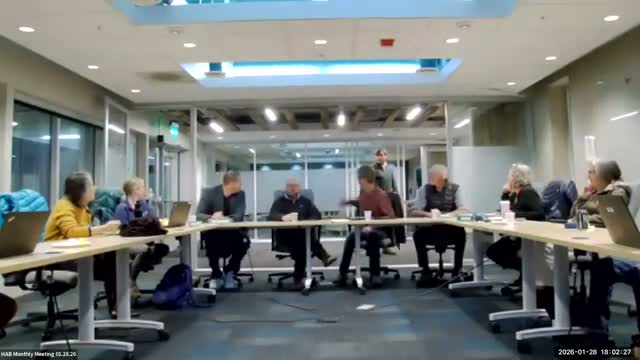
Public comment opened the Jan. 28 meeting with local developer Max Lorde urging the city to permit dormitory‑style and boarding‑house arrangements downtown and to ease subletting rules for short events like Sundance. "If we change...boarding houses and basically think dormitory‑style rooms...we could take a squeeze off of the housing market," Max said, arguing that shared‑bath models are a way to add lower‑cost beds without full apartment conversions.
Ben, an operations representative for Tivo Properties, told the board that owners have cut rents to attract tenants but many central‑city office spaces remain vacant. He said conversion costs are a principal barrier. "To convert that into apartments...there's a very, very large cost to it," Ben said, citing floor plates, core restrooms, HVAC and plumbing work. He also noted that triple‑net property tax obligations continue to burden potential tenants.
Board members and architects on the panel recommended policy steps to make such conversions more feasible: codify neuroinclusive and alternative housing types in the Boulder Valley Comprehensive Plan so zoning can follow, revise Title 9 to reduce barriers (for example, by privileging floor‑area ratios over dwelling‑units‑per‑acre rules), and adopt by‑right allowances or density bonuses and expedited permitting for projects serving targeted housing needs. Panelists warned that change‑of‑use triggers in building code (sprinklers, energy and insulation upgrades) currently raise retrofit costs and that some conversions may still be more expensive than building new units.
Board members proposed concrete next steps: schedule comp‑plan review work at HAB in March, pursue a possible joint study session and site tours (Trailhead, Wild Sage) for council and HAB members, and direct staff to research the city’s boarding‑house code and financing options for SROs and micro‑units. The board agreed to add an SRO/dorm study to a future agenda and to circulate a draft member quarterly update to council after revisions.
Ben, an operations representative for Tivo Properties, told the board that owners have cut rents to attract tenants but many central‑city office spaces remain vacant. He said conversion costs are a principal barrier. "To convert that into apartments...there's a very, very large cost to it," Ben said, citing floor plates, core restrooms, HVAC and plumbing work. He also noted that triple‑net property tax obligations continue to burden potential tenants.
Board members and architects on the panel recommended policy steps to make such conversions more feasible: codify neuroinclusive and alternative housing types in the Boulder Valley Comprehensive Plan so zoning can follow, revise Title 9 to reduce barriers (for example, by privileging floor‑area ratios over dwelling‑units‑per‑acre rules), and adopt by‑right allowances or density bonuses and expedited permitting for projects serving targeted housing needs. Panelists warned that change‑of‑use triggers in building code (sprinklers, energy and insulation upgrades) currently raise retrofit costs and that some conversions may still be more expensive than building new units.
Board members proposed concrete next steps: schedule comp‑plan review work at HAB in March, pursue a possible joint study session and site tours (Trailhead, Wild Sage) for council and HAB members, and direct staff to research the city’s boarding‑house code and financing options for SROs and micro‑units. The board agreed to add an SRO/dorm study to a future agenda and to circulate a draft member quarterly update to council after revisions.
Don't Miss a Word: See the Full Meeting!
Go beyond summaries. Unlock every video, transcript, and key insight with a Founder Membership.
✓
Get instant access to full meeting videos
✓
Search and clip any phrase from complete transcripts
✓
Receive AI-powered summaries & custom alerts
✓
Enjoy lifetime, unrestricted access to government data
30-day money-back guarantee
