Senate committee considers moving vehicle safety inspections to every two years; staff warn of Clean Air Act implications
January 29, 2026 | Senate Transportation, SENATE, Committees, Legislative , Vermont
This article was created by AI summarizing key points discussed. AI makes mistakes, so for full details and context, please refer to the video of the full meeting. Please report any errors so we can fix them. Report an error »
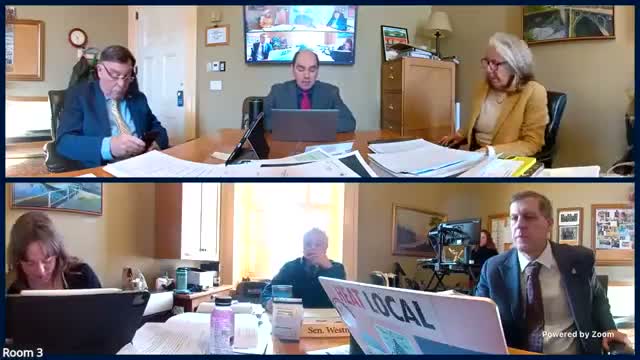
Legislative counsel Damien Leonard told the Senate Transportation Committee that the draft motor-vehicle bill would move Vermont’s required vehicle safety inspection from once a year to once every two years and raise the per-inspection charge from $8 to $16. Leonard, speaking for the Office of Legislative Counsel, said the move is a “pretty straightforward” textual change but flagged federal and operational complications.
The nut of the debate, Leonard said, is not the statutory language but whether changing inspection frequency could clash with Vermont’s State Implementation Plan (SIP) under the Clean Air Act. “We’ve submitted part of our state implementation plan is around inspection and maintenance of motor vehicles,” Leonard said, noting Vermont is in an ozone transport region and that emissions testing is embedded in the SIP. He told members that New Hampshire repealed annual inspections and is facing litigation that hinges on whether EPA will allow a SIP waiver.
Committee members pressed staff to locate and post the specific SIP materials and to bring in the Department of Environmental Conservation to explain any federal preemption risks. Members also requested a comparative breakdown of inspection and registration practices (and statutory rates) in nearby states — New Hampshire, New York and Massachusetts — and asked the legislature’s fiscal staff to prepare a fiscal note estimating revenue and administrative effects.
On operational details, members raised questions about inspection equipment, station contracts and sticker administration (color, placement and adhesive durability). Leonard flagged other drafting items to be resolved, including salvage-title electronic-signature language and separate judiciary and natural-resources hooks that may be handled as amendments. The committee briefly discussed license-plate language that would allow private printing of front plates; members agreed to omit that change from the initial draft and handle it as a possible amendment later.
For now, the committee agreed it would schedule a public hearing before moving the bill; staff noted the procedural deadlines for introduction and asked members for available dates. Leonard said he would follow up by emailing committee staff contacts for DEC and the Legislative Research Service and would coordinate fiscal information with staffer Logan.
The next procedural step is a publicly posted hearing and receipt of the requested DEC and fiscal analyses; the committee did not take a final vote during this session.
The nut of the debate, Leonard said, is not the statutory language but whether changing inspection frequency could clash with Vermont’s State Implementation Plan (SIP) under the Clean Air Act. “We’ve submitted part of our state implementation plan is around inspection and maintenance of motor vehicles,” Leonard said, noting Vermont is in an ozone transport region and that emissions testing is embedded in the SIP. He told members that New Hampshire repealed annual inspections and is facing litigation that hinges on whether EPA will allow a SIP waiver.
Committee members pressed staff to locate and post the specific SIP materials and to bring in the Department of Environmental Conservation to explain any federal preemption risks. Members also requested a comparative breakdown of inspection and registration practices (and statutory rates) in nearby states — New Hampshire, New York and Massachusetts — and asked the legislature’s fiscal staff to prepare a fiscal note estimating revenue and administrative effects.
On operational details, members raised questions about inspection equipment, station contracts and sticker administration (color, placement and adhesive durability). Leonard flagged other drafting items to be resolved, including salvage-title electronic-signature language and separate judiciary and natural-resources hooks that may be handled as amendments. The committee briefly discussed license-plate language that would allow private printing of front plates; members agreed to omit that change from the initial draft and handle it as a possible amendment later.
For now, the committee agreed it would schedule a public hearing before moving the bill; staff noted the procedural deadlines for introduction and asked members for available dates. Leonard said he would follow up by emailing committee staff contacts for DEC and the Legislative Research Service and would coordinate fiscal information with staffer Logan.
The next procedural step is a publicly posted hearing and receipt of the requested DEC and fiscal analyses; the committee did not take a final vote during this session.
View the Full Meeting & All Its Details
This article offers just a summary. Unlock complete video, transcripts, and insights as a Founder Member.
✓
Watch full, unedited meeting videos
✓
Search every word spoken in unlimited transcripts
✓
AI summaries & real-time alerts (all government levels)
✓
Permanent access to expanding government content
30-day money-back guarantee
