House Energy and Commerce member day: members press committee on health costs, rural care, energy affordability and consumer protections
December 13, 2025 | Energy and Commerce: House Committee, Standing Committees - House & Senate, Congressional Hearings Compilation, Legislative, Federal
This article was created by AI summarizing key points discussed. AI makes mistakes, so for full details and context, please refer to the video of the full meeting. Please report any errors so we can fix them. Report an error »
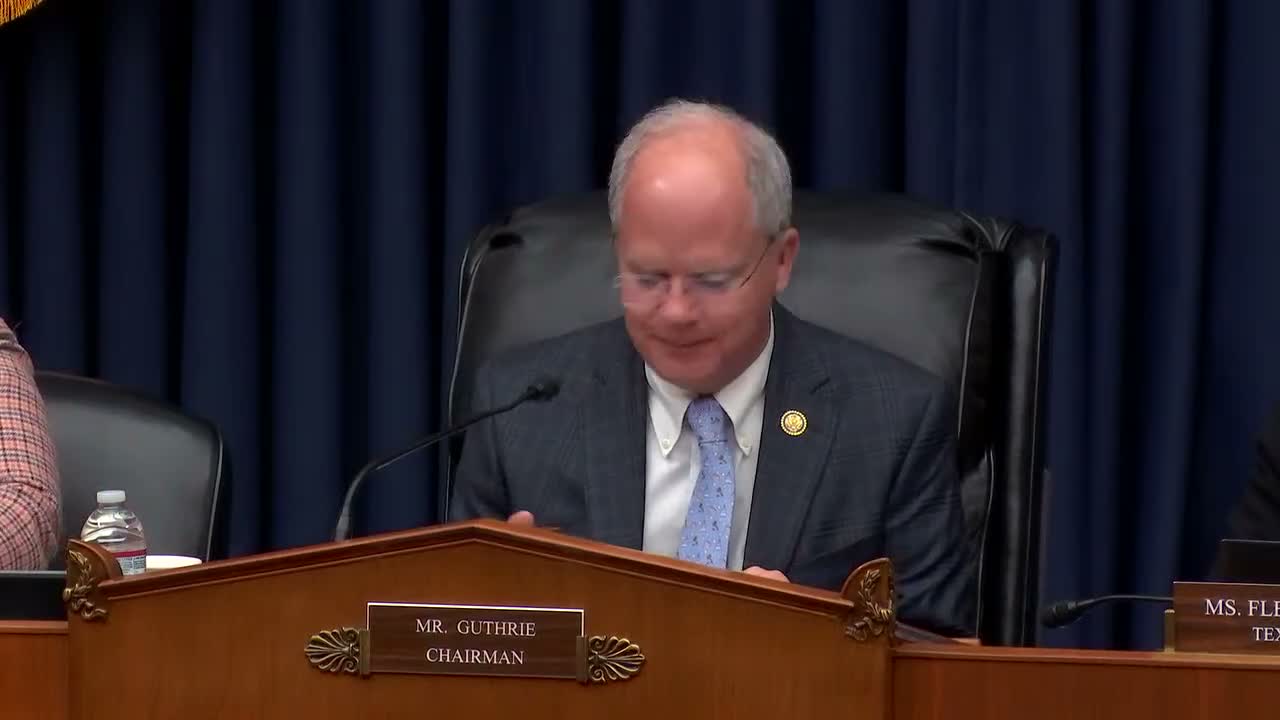
Chairman Guthrie convened the House Energy and Commerce Committee’s Member Day to give off-committee and committee members five minutes each to present legislative priorities that fall under the panel’s jurisdiction. Lawmakers from both parties used the forum to press the committee on a cross-section of measures ranging from near-term affordability fixes to longer-term public‑health and consumer‑protection proposals.
Representative Fletcher, the vice ranking member, framed the day around affordability, telling the committee that her constituents are living with “fear” about paying for energy, health care and groceries. She urged bipartisan action such as extending Affordable Care Act premium tax credits to blunt what she characterized as looming increases in premiums. Other members echoed that theme: several speakers urged steps to lower prescription drug costs, defend Medicaid funding, and shore up rural health providers.
Members described specific bills the committee could prioritize. Representative Bonamici asked the committee to advance the Alan Weinstein Ban Asbestos Now Act (HR 5373), which would ban commercial uses of all six recognized asbestos fiber types with limited national‑security exemptions. Representative Cleaver and others urged restoration of a "Solar for All" residential program created under the Inflation Reduction Act that they say was captured by the administration without consulting Congress. Representative Davis called for passage of the Rural Emergency Hospital Financial Stability Act (HR 4277) to raise Medicaid reimbursement rates for the REH model.
Several members presented consumer‑protection and technology bills. Representative Glusenkamp Perez and supporters urged the Right to Repair Act to require manufacturers to share tools and data so independent shops can fix vehicles and appliances. Representative Sorensen proposed the Stop Games Act to prevent abusive FDA petitions that delay generic competition and urged reauthorizing the Low Income Household Water Assistance Program. Members also flagged AI‑driven scams and proposed tougher penalties and required disclosure when AI is used in robocalls.
Public‑health proposals included Representative Salinas’s Mental Health Services for Students Act (to expand SAMHSA’s Project AWARE), Representative Bonamici’s asbestos ban, Representative Bonamici and others’ calls to reauthorize newborn screening investments, and Representative Biden’s Microplastics Safety Act (HR 4486) to require the FDA to study human exposure to microplastics. Rep. Wasserman Schultz sought reauthorization of the Early Act (breast‑cancer education) and the Virginia Graeme Baker pool‑safety reauthorization.
On disputes and enforcement, Representative Onder, a physician, argued for closing what he described as an enforcement loophole in the No Surprises Act by applying penalties to insurers who violate the law. Representative Sorensen, Representative Bean, and others raised questions about pandemic‑era premium tax credits and program integrity; Representative Bean urged reforms intended to reduce fraud and increase consumer choice.
No bills were voted on during the Member Day hearing. The committee’s leadership said members’ statements and submitted testimony would be placed in the record and the committee would assess which measures warrant markup or further hearings.
The committee adjourned after thanking witnesses and inserting staff documents into the record; members said they plan further oversight and follow‑up on the proposals discussed.
Representative Fletcher, the vice ranking member, framed the day around affordability, telling the committee that her constituents are living with “fear” about paying for energy, health care and groceries. She urged bipartisan action such as extending Affordable Care Act premium tax credits to blunt what she characterized as looming increases in premiums. Other members echoed that theme: several speakers urged steps to lower prescription drug costs, defend Medicaid funding, and shore up rural health providers.
Members described specific bills the committee could prioritize. Representative Bonamici asked the committee to advance the Alan Weinstein Ban Asbestos Now Act (HR 5373), which would ban commercial uses of all six recognized asbestos fiber types with limited national‑security exemptions. Representative Cleaver and others urged restoration of a "Solar for All" residential program created under the Inflation Reduction Act that they say was captured by the administration without consulting Congress. Representative Davis called for passage of the Rural Emergency Hospital Financial Stability Act (HR 4277) to raise Medicaid reimbursement rates for the REH model.
Several members presented consumer‑protection and technology bills. Representative Glusenkamp Perez and supporters urged the Right to Repair Act to require manufacturers to share tools and data so independent shops can fix vehicles and appliances. Representative Sorensen proposed the Stop Games Act to prevent abusive FDA petitions that delay generic competition and urged reauthorizing the Low Income Household Water Assistance Program. Members also flagged AI‑driven scams and proposed tougher penalties and required disclosure when AI is used in robocalls.
Public‑health proposals included Representative Salinas’s Mental Health Services for Students Act (to expand SAMHSA’s Project AWARE), Representative Bonamici’s asbestos ban, Representative Bonamici and others’ calls to reauthorize newborn screening investments, and Representative Biden’s Microplastics Safety Act (HR 4486) to require the FDA to study human exposure to microplastics. Rep. Wasserman Schultz sought reauthorization of the Early Act (breast‑cancer education) and the Virginia Graeme Baker pool‑safety reauthorization.
On disputes and enforcement, Representative Onder, a physician, argued for closing what he described as an enforcement loophole in the No Surprises Act by applying penalties to insurers who violate the law. Representative Sorensen, Representative Bean, and others raised questions about pandemic‑era premium tax credits and program integrity; Representative Bean urged reforms intended to reduce fraud and increase consumer choice.
No bills were voted on during the Member Day hearing. The committee’s leadership said members’ statements and submitted testimony would be placed in the record and the committee would assess which measures warrant markup or further hearings.
The committee adjourned after thanking witnesses and inserting staff documents into the record; members said they plan further oversight and follow‑up on the proposals discussed.
Don't Miss a Word: See the Full Meeting!
Go beyond summaries. Unlock every video, transcript, and key insight with a Founder Membership.
✓
Get instant access to full meeting videos
✓
Search and clip any phrase from complete transcripts
✓
Receive AI-powered summaries & custom alerts
✓
Enjoy lifetime, unrestricted access to government data
30-day money-back guarantee
