Residents and lawmakers press Livonia council to stop police contact with ICE as administration reviews policy
January 27, 2026 | Livonia, Wayne County, Michigan
This article was created by AI summarizing key points discussed. AI makes mistakes, so for full details and context, please refer to the video of the full meeting. Please report any errors so we can fix them. Report an error »
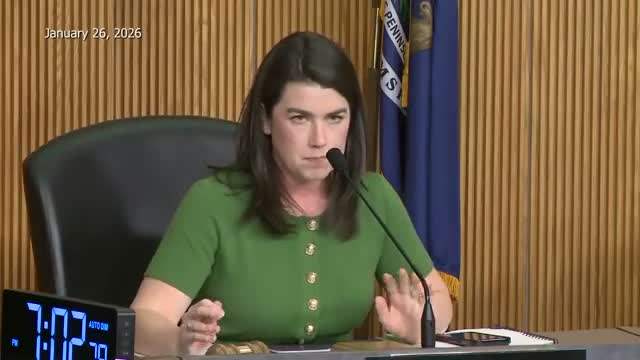
At the city council meeting, dozens of residents and two state-level elected officials urged Livonia leaders to stop the Livonia Police Department from contacting U.S. Immigration and Customs Enforcement (ICE) or U.S. Border Patrol during traffic stops, saying the practice risks racial profiling and community trauma.
The council did not vote on a policy change. An attorney for the city told council members the administration had sent a letter and that the mayorand police were reviewing current policies; staff said they had reached out to outside experts and asked for more time to amend policies so they align with law and best practices.
Why it matters: Speakers said the city's practice affects public trust and public safety. Multiple speakers described fear among immigrant community members who may avoid cooperating with police or reporting crimes if they worry federal immigration authorities will be notified.
Who said what: Mike Bridal (28911 Morlock Street) told council, “At this time I'm asking the police to stop contacting ICE and Border Patrol when they pull vehicles over and interact with people in Livonia.” Betsy Calhoun (Kimberly Oaks) said a state representative had difficulty getting consistent answers from city staff about whether LPD contacts Border Patrol during stops and called for transparency.
Congresswoman Rashida Tlaib, who addressed the council, said she had sent a letter that included guidance from the ACLU of Michigan and read a passage noting that municipal police have no legal obligation to contact immigration authorities in most encounters. Tlaib urged the council to use its authority to prevent racial profiling and to consider legal liability from voluntary participation in federal immigration enforcement.
What the council and staff said: The city attorney explained the administration is ‘‘very active in reviewing these policies’’ and has sought outside assistance to update LPD procedures regarding ICE and Border Patrol. Council members thanked speakers, said they were listening and urged patience while staff completes the review. No ordinance or formal directive was introduced or voted on during the meeting.
Next steps: Council members and staff said they would continue to review the issue and provide follow-up. Several public speakers asked the council to consider an ordinance restricting cooperation with federal immigration enforcement; council members discussed that ordinances carry longer-term force than administrative policy but took no formal action at the meeting.
Community context: The topic dominated both audience-communication blocks; many speakers linked the issue to recent, widely publicized federal enforcement operations in other jurisdictions and to fear among residents. Supporters of continued cooperation also spoke during the meeting, citing officer safety and legal obligations where warrants exist.
Ending: The council concluded the night without a vote on immigration cooperation and said administration staff would return with further information after their policy review.
The council did not vote on a policy change. An attorney for the city told council members the administration had sent a letter and that the mayorand police were reviewing current policies; staff said they had reached out to outside experts and asked for more time to amend policies so they align with law and best practices.
Why it matters: Speakers said the city's practice affects public trust and public safety. Multiple speakers described fear among immigrant community members who may avoid cooperating with police or reporting crimes if they worry federal immigration authorities will be notified.
Who said what: Mike Bridal (28911 Morlock Street) told council, “At this time I'm asking the police to stop contacting ICE and Border Patrol when they pull vehicles over and interact with people in Livonia.” Betsy Calhoun (Kimberly Oaks) said a state representative had difficulty getting consistent answers from city staff about whether LPD contacts Border Patrol during stops and called for transparency.
Congresswoman Rashida Tlaib, who addressed the council, said she had sent a letter that included guidance from the ACLU of Michigan and read a passage noting that municipal police have no legal obligation to contact immigration authorities in most encounters. Tlaib urged the council to use its authority to prevent racial profiling and to consider legal liability from voluntary participation in federal immigration enforcement.
What the council and staff said: The city attorney explained the administration is ‘‘very active in reviewing these policies’’ and has sought outside assistance to update LPD procedures regarding ICE and Border Patrol. Council members thanked speakers, said they were listening and urged patience while staff completes the review. No ordinance or formal directive was introduced or voted on during the meeting.
Next steps: Council members and staff said they would continue to review the issue and provide follow-up. Several public speakers asked the council to consider an ordinance restricting cooperation with federal immigration enforcement; council members discussed that ordinances carry longer-term force than administrative policy but took no formal action at the meeting.
Community context: The topic dominated both audience-communication blocks; many speakers linked the issue to recent, widely publicized federal enforcement operations in other jurisdictions and to fear among residents. Supporters of continued cooperation also spoke during the meeting, citing officer safety and legal obligations where warrants exist.
Ending: The council concluded the night without a vote on immigration cooperation and said administration staff would return with further information after their policy review.
Don't Miss a Word: See the Full Meeting!
Go beyond summaries. Unlock every video, transcript, and key insight with a Founder Membership.
✓
Get instant access to full meeting videos
✓
Search and clip any phrase from complete transcripts
✓
Receive AI-powered summaries & custom alerts
✓
Enjoy lifetime, unrestricted access to government data
30-day money-back guarantee
