Kansas Senate committee hears bill to guarantee 30 minutes of daily recess for K–5 students
January 22, 2026 | Education, Standing, Senate, Committees, Legislative, Kansas
This article was created by AI summarizing key points discussed. AI makes mistakes, so for full details and context, please refer to the video of the full meeting. Please report any errors so we can fix them. Report an error »
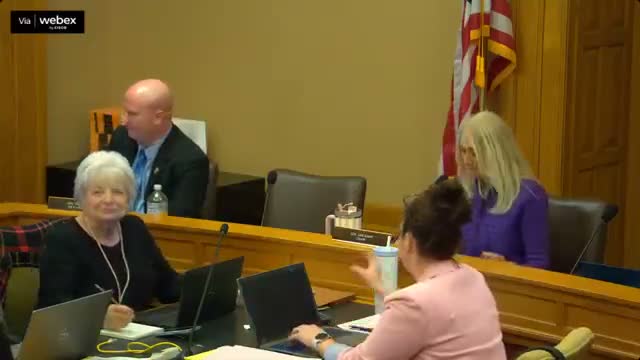
Senate Education Committee members on Thursday heard competing views on Senate Bill 339, which would require Kansas school districts to provide at least 30 minutes of daily recess for students in kindergarten through fifth grade and designate that time as part of the school term.
The bill’s reviser, Tamara Lawrence, told the committee the legislation would add a new section requiring the 30‑minute minimum, permit recess supervision by licensed or nonlicensed school personnel, and amend KSA 72‑31‑15 so the required recess time is counted as part of the school term; the statute, the reviser said, would take effect July 1 upon publication.
Why it matters: Proponents said the requirement would standardize access to free play across districts and improve student focus, behavior and health. John Maesen, a visiting fellow with FGA Action, cited national and local studies and told senators that, based on a survey he described, more than 60 percent of Kansas elementary students currently receive 20 minutes or less of recess each day and about 8 percent receive none. Brenda Scruggs Ondreu, a retired psychologist and trustee at Kansas City Kansas Community College, emphasized physical, cognitive and social benefits and urged approval.
Opponents, including a representative of the Kansas State Board of Education and the Kansas Association of School Boards, urged the committee to preserve local control over scheduling. Burrell Neu, legislative liaison for the State Board, said districts need flexibility to balance instructional minutes and play. Leah Fleiter of the Kansas Association of School Boards said KSDE already provides guidance and that a legislative mandate could intrude on locally negotiated decisions.
Operational and legal questions: Committee members pressed witnesses on whether the law would require a single contiguous 30‑minute block or allow shorter split periods, whether organized recess would count against required instructional minutes, and who could legally supervise recess. Tamara Lawrence read bill language that sets a minimum 30 minutes and described a later sentence in the draft as an encouragement toward 60 minutes rather than a second requirement. Dr. Frank Harwood and other conferees noted current State Board guidance allows up to 15 minutes in the morning and 15 minutes in the afternoon to count toward instructional time; counting additional recess minutes toward the school term could reduce other instructional time under existing statutory hour requirements.
Requests for data and next steps: Several senators asked KSDE to compile building-level schedule data that could show how much recess schools currently provide; Dr. Harwood said schedule calendars could be pulled to assemble those figures. The committee closed the hearing without amending or advancing the bill.
Provenance: The committee opened the SB 339 hearing and the reviser’s overview began at SEG 008–SEG 014; proponent testimony ran SEG 064–SEG 129 and SEG 160–SEG 228; opponent and neutral testimony and committee questioning continued through SEG 690 when the hearing closed.
Ending: The hearing on SB 339 closed and the committee moved on to a separate bill on dual‑credit agreements; senators requested KSDE data on current recess practice before further action.
The bill’s reviser, Tamara Lawrence, told the committee the legislation would add a new section requiring the 30‑minute minimum, permit recess supervision by licensed or nonlicensed school personnel, and amend KSA 72‑31‑15 so the required recess time is counted as part of the school term; the statute, the reviser said, would take effect July 1 upon publication.
Why it matters: Proponents said the requirement would standardize access to free play across districts and improve student focus, behavior and health. John Maesen, a visiting fellow with FGA Action, cited national and local studies and told senators that, based on a survey he described, more than 60 percent of Kansas elementary students currently receive 20 minutes or less of recess each day and about 8 percent receive none. Brenda Scruggs Ondreu, a retired psychologist and trustee at Kansas City Kansas Community College, emphasized physical, cognitive and social benefits and urged approval.
Opponents, including a representative of the Kansas State Board of Education and the Kansas Association of School Boards, urged the committee to preserve local control over scheduling. Burrell Neu, legislative liaison for the State Board, said districts need flexibility to balance instructional minutes and play. Leah Fleiter of the Kansas Association of School Boards said KSDE already provides guidance and that a legislative mandate could intrude on locally negotiated decisions.
Operational and legal questions: Committee members pressed witnesses on whether the law would require a single contiguous 30‑minute block or allow shorter split periods, whether organized recess would count against required instructional minutes, and who could legally supervise recess. Tamara Lawrence read bill language that sets a minimum 30 minutes and described a later sentence in the draft as an encouragement toward 60 minutes rather than a second requirement. Dr. Frank Harwood and other conferees noted current State Board guidance allows up to 15 minutes in the morning and 15 minutes in the afternoon to count toward instructional time; counting additional recess minutes toward the school term could reduce other instructional time under existing statutory hour requirements.
Requests for data and next steps: Several senators asked KSDE to compile building-level schedule data that could show how much recess schools currently provide; Dr. Harwood said schedule calendars could be pulled to assemble those figures. The committee closed the hearing without amending or advancing the bill.
Provenance: The committee opened the SB 339 hearing and the reviser’s overview began at SEG 008–SEG 014; proponent testimony ran SEG 064–SEG 129 and SEG 160–SEG 228; opponent and neutral testimony and committee questioning continued through SEG 690 when the hearing closed.
Ending: The hearing on SB 339 closed and the committee moved on to a separate bill on dual‑credit agreements; senators requested KSDE data on current recess practice before further action.
View the Full Meeting & All Its Details
This article offers just a summary. Unlock complete video, transcripts, and insights as a Founder Member.
✓
Watch full, unedited meeting videos
✓
Search every word spoken in unlimited transcripts
✓
AI summaries & real-time alerts (all government levels)
✓
Permanent access to expanding government content
30-day money-back guarantee
