Pasco staff propose raising SEPA exemption thresholds to reduce duplicate reviews
January 27, 2026 | Pasco City, Franklin County, Washington
This article was created by AI summarizing key points discussed. AI makes mistakes, so for full details and context, please refer to the video of the full meeting. Please report any errors so we can fix them. Report an error »
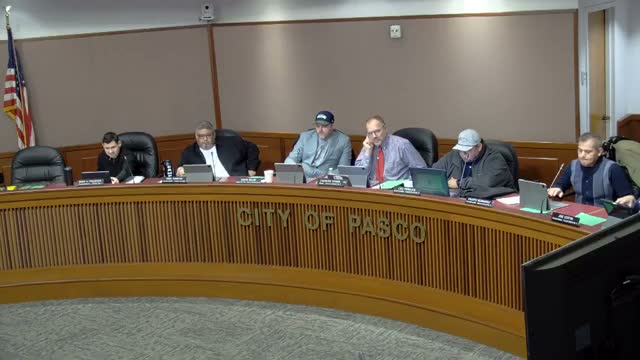
City planning staff presented a two‑part land‑use update at the Pasco City Council workshop: an overview of the comprehensive‑plan and zoning framework and a proposed change to SEPA categorical‑exemption thresholds intended to reduce redundant reviews.
Haley Mattson, senior planning staff, described the comprehensive plan as a 20‑year vision required by state law and said the municipal code and zoning implement that vision. She then turned to SEPA, explaining that Pasco’s current thresholds trigger review for very small projects (for instance, four units) and that the proposal would raise many triggers to levels similar to neighboring Kennewick, such as a 30‑unit residential threshold.
Mattson said the change is intended to cut duplication where municipal codes already address impacts and to save applicants time and staff resources, but acknowledged tradeoffs: raising thresholds reduces opportunities for outside agencies and tribes to comment or appeal SEPA determinations. To address that concern, staff proposed preserving SEPA review for sensitive areas — shorelines, wetlands and mapped high‑probability cultural‑resource areas — and adding an inadvertent‑discovery plan that would require work to pause if artifacts are found during construction.
She said the thresholds are based on state flexible levels introduced in 2014 and that staff plan to align Pasco with regional practice; higher maximum thresholds would follow adoption of an updated, compliant comprehensive plan and environmental‑impact statement. Mattson said the department expects to return to council with code changes and a formal schedule, with a target to bring related updates for council review in Q1 of next year, depending on agency coordination.
Council members asked about tribal outreach and whether tribes would object to maximum thresholds; Mattson said staff had noticed tribes and received limited responses, plans more direct outreach for larger changes, and built trigger language to preserve SEPA review in mapped high‑probability areas so tribal review remains targeted to sensitive sites.
The workshop discussion was informational; staff said further outreach to agencies and tribes would precede any formal ordinance or code amendment and no council action was requested at this meeting.
Haley Mattson, senior planning staff, described the comprehensive plan as a 20‑year vision required by state law and said the municipal code and zoning implement that vision. She then turned to SEPA, explaining that Pasco’s current thresholds trigger review for very small projects (for instance, four units) and that the proposal would raise many triggers to levels similar to neighboring Kennewick, such as a 30‑unit residential threshold.
Mattson said the change is intended to cut duplication where municipal codes already address impacts and to save applicants time and staff resources, but acknowledged tradeoffs: raising thresholds reduces opportunities for outside agencies and tribes to comment or appeal SEPA determinations. To address that concern, staff proposed preserving SEPA review for sensitive areas — shorelines, wetlands and mapped high‑probability cultural‑resource areas — and adding an inadvertent‑discovery plan that would require work to pause if artifacts are found during construction.
She said the thresholds are based on state flexible levels introduced in 2014 and that staff plan to align Pasco with regional practice; higher maximum thresholds would follow adoption of an updated, compliant comprehensive plan and environmental‑impact statement. Mattson said the department expects to return to council with code changes and a formal schedule, with a target to bring related updates for council review in Q1 of next year, depending on agency coordination.
Council members asked about tribal outreach and whether tribes would object to maximum thresholds; Mattson said staff had noticed tribes and received limited responses, plans more direct outreach for larger changes, and built trigger language to preserve SEPA review in mapped high‑probability areas so tribal review remains targeted to sensitive sites.
The workshop discussion was informational; staff said further outreach to agencies and tribes would precede any formal ordinance or code amendment and no council action was requested at this meeting.
Don't Miss a Word: See the Full Meeting!
Go beyond summaries. Unlock every video, transcript, and key insight with a Founder Membership.
✓
Get instant access to full meeting videos
✓
Search and clip any phrase from complete transcripts
✓
Receive AI-powered summaries & custom alerts
✓
Enjoy lifetime, unrestricted access to government data
30-day money-back guarantee
