Norwalk commission debates longer demolition‑delay window, notification and who pays for preservation reviews
January 29, 2026 | Norwalk City, Fairfield, Connecticut
This article was created by AI summarizing key points discussed. AI makes mistakes, so for full details and context, please refer to the video of the full meeting. Please report any errors so we can fix them. Report an error »
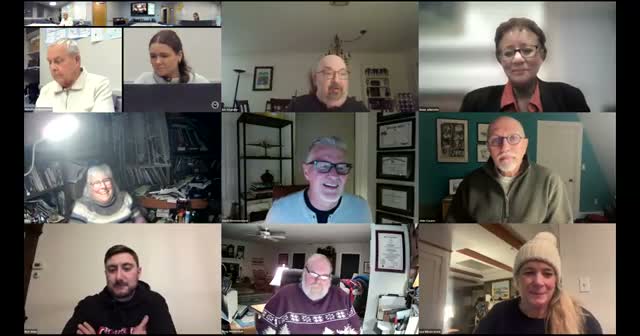
The Norwalk Historical Commission spent the bulk of its meeting reviewing a draft demolition‑delay ordinance and debating how to make the process clearer and more effective.
Diane Cece, a member of the public who addressed the commission during public comment, said she had persistent questions about the draft and urged clarity on several points. “I still have a bunch of questions on who does what and when,” she said, asking specifically which records establish an older structure’s date of construction and whether the city should use a 50‑year or 70‑year threshold for review.
Bill Ireland, who led a line‑by‑line walkthrough of the pre‑demolition (intent‑to‑demolish) application and the demolition permit, told commissioners that the tax assessor’s records are the primary source for the year‑built field. “What determines this permit to be issued or application to be issued is information we receive from the tax assessor, which is the age of the building on the property, which right now is 50 years,” he said, describing required attachments such as a photo, assessor sheet, plot plan, sworn statement and a state Department of Health notification form.
The commission’s substantive policy debate focused on four linked issues: the age threshold used to trigger review; the public notice and objection window; who may initiate an objection and impose a delay; and who pays for outside preservation reviews.
- Age threshold and statutory maximum: Several commissioners favored aligning Norwalk with the state enabling statute’s maximum delay of 180 days. One commissioner said raising the delay from the current local practice to 180 days “really makes them think twice” when a developer is involved, noting the extra time can produce alternative solutions such as moving or reusing a building. Staff and members also discussed the federal guideline and local proposals that had suggested 50 or 70 years for eligibility.
- Notice and objection window: The draft calls for a 21‑day objection window from the deemed filing date. Multiple speakers said 21 days is too short to convene the commission and allow public participation; members advanced options of 30 or 45 days and discussed publishing intent‑to‑demolish filings as an addendum to the commission agenda to improve transparency.
- Initiation of objections and the commission’s role: Public commenter Diane Cece asked why an objection appears to require a member of the public to file; several commissioners clarified that the historic commission can, based on its review of a referred application, itself impose a delay and that objections must assert historic or architectural significance rather than general neighborhood preference.
- Third‑party review and cost allocation: The draft said a qualified preservation professional would be hired for peer review and that the city would pay; members noted other city peer reviews often require the applicant to pay and discussed whether the commission should instead maintain a rotating roster of professionals. Bill Ireland said peer reviews have been arranged in several ways and that the commission should decide what is typical and fair.
Other procedural and enforcement details discussed included fines (the draft cites a $30,000 maximum or 10 percent of assessed value), the mechanics of posting and photographing a sign on the property, contractor licensing (issued at the state level), and how asbestos or other public‑health directives from state agencies override local delay authority.
Commissioners and staff agreed on next steps: produce a clearer flowchart for the ordinance committee, compile three to five years of demolition/ delay data to show how many filings actually result in delays, and consider a modest increase in the deemed‑file window (staff suggested 30 days). The group also discussed whether to seek a joint meeting with the ordinance committee to present the data and the draft. The commission did not adopt a final ordinance at the meeting; staff will circulate edits and schedule the next discussion for when the item comes before the ordinance committee.
The commission gave several drafting assignments and asked staff to identify where the draft could require an independent engineer or architect on call to evaluate safety letters from applicants. The item will return to the commission for further edits before formal submission to the ordinance committee.
Diane Cece, a member of the public who addressed the commission during public comment, said she had persistent questions about the draft and urged clarity on several points. “I still have a bunch of questions on who does what and when,” she said, asking specifically which records establish an older structure’s date of construction and whether the city should use a 50‑year or 70‑year threshold for review.
Bill Ireland, who led a line‑by‑line walkthrough of the pre‑demolition (intent‑to‑demolish) application and the demolition permit, told commissioners that the tax assessor’s records are the primary source for the year‑built field. “What determines this permit to be issued or application to be issued is information we receive from the tax assessor, which is the age of the building on the property, which right now is 50 years,” he said, describing required attachments such as a photo, assessor sheet, plot plan, sworn statement and a state Department of Health notification form.
The commission’s substantive policy debate focused on four linked issues: the age threshold used to trigger review; the public notice and objection window; who may initiate an objection and impose a delay; and who pays for outside preservation reviews.
- Age threshold and statutory maximum: Several commissioners favored aligning Norwalk with the state enabling statute’s maximum delay of 180 days. One commissioner said raising the delay from the current local practice to 180 days “really makes them think twice” when a developer is involved, noting the extra time can produce alternative solutions such as moving or reusing a building. Staff and members also discussed the federal guideline and local proposals that had suggested 50 or 70 years for eligibility.
- Notice and objection window: The draft calls for a 21‑day objection window from the deemed filing date. Multiple speakers said 21 days is too short to convene the commission and allow public participation; members advanced options of 30 or 45 days and discussed publishing intent‑to‑demolish filings as an addendum to the commission agenda to improve transparency.
- Initiation of objections and the commission’s role: Public commenter Diane Cece asked why an objection appears to require a member of the public to file; several commissioners clarified that the historic commission can, based on its review of a referred application, itself impose a delay and that objections must assert historic or architectural significance rather than general neighborhood preference.
- Third‑party review and cost allocation: The draft said a qualified preservation professional would be hired for peer review and that the city would pay; members noted other city peer reviews often require the applicant to pay and discussed whether the commission should instead maintain a rotating roster of professionals. Bill Ireland said peer reviews have been arranged in several ways and that the commission should decide what is typical and fair.
Other procedural and enforcement details discussed included fines (the draft cites a $30,000 maximum or 10 percent of assessed value), the mechanics of posting and photographing a sign on the property, contractor licensing (issued at the state level), and how asbestos or other public‑health directives from state agencies override local delay authority.
Commissioners and staff agreed on next steps: produce a clearer flowchart for the ordinance committee, compile three to five years of demolition/ delay data to show how many filings actually result in delays, and consider a modest increase in the deemed‑file window (staff suggested 30 days). The group also discussed whether to seek a joint meeting with the ordinance committee to present the data and the draft. The commission did not adopt a final ordinance at the meeting; staff will circulate edits and schedule the next discussion for when the item comes before the ordinance committee.
The commission gave several drafting assignments and asked staff to identify where the draft could require an independent engineer or architect on call to evaluate safety letters from applicants. The item will return to the commission for further edits before formal submission to the ordinance committee.
View the Full Meeting & All Its Details
This article offers just a summary. Unlock complete video, transcripts, and insights as a Founder Member.
✓
Watch full, unedited meeting videos
✓
Search every word spoken in unlimited transcripts
✓
AI summaries & real-time alerts (all government levels)
✓
Permanent access to expanding government content
30-day money-back guarantee
