Sonoma City outlines warming-center activation criteria and limited use; advocates urge more permanent shelter services
January 27, 2026 | Sonoma City, Sonoma County, California
This article was created by AI summarizing key points discussed. AI makes mistakes, so for full details and context, please refer to the video of the full meeting. Please report any errors so we can fix them. Report an error »
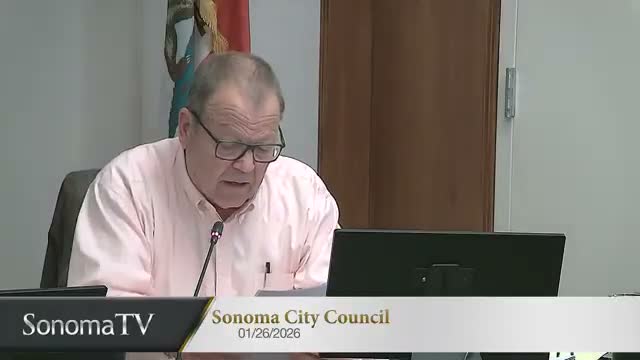
City staff presented a review of Sonoma’s extreme cold weather response and emergency warming-center operations, telling council the activation criteria are forecast-driven and aligned with county guidance and National Weather Service advisories.
Senior management analyst Tracy said activation is tied to specific forecast products and thresholds (for example, three consecutive nights below 32°F or two consecutive nights below 37°F under certain hazards). The city’s warming center is a low-barrier, short-term overnight resource intended for life‑safety activations. Operating details include cots, food, pet accommodations, secure storage and transportation pickup locations during activations. Tracy said the city coordinates closely with county departments and partner service providers, including HomeFirst, Catholic Charities and Sonoma Family Meals.
Staff reviewed activation history: the first documented warming-center activation occurred in December 2022, and more extensive activations occurred in December 2024 and February 2024. Usage numbers were small: Dec. 2022 saw about six unique individuals; March 2024, three; Dec. 2024, five; and a February 2024 activation saw ten unique individuals. Tracy said average nightly use hovered around six people and that users tended to be people who identify as unhoused and repeat users.
Council members and public speakers pressed staff on notification methods and accessibility. Robert Demler suggested low-tech, visible signals (lights) at facilities to advertise openings; Annie Fernandez, who ran a community-run shelter in 2023, called the warming-center criteria confusing and urged a year‑round site with medical and casework services, arguing short activations do not meet the needs of many unhoused residents.
Tracy said staff are reviewing guidelines, maintaining a small activation budget and continuing coordination with county partners; the city manager and council signaled interest in continuing the work and exploring options for greater outreach and potential funding for more extensive shelter services.
Ending — Next step: staff will continue the review of warming-center guidelines, maintain partner coordination, and return with implementation details and outreach improvements.
Senior management analyst Tracy said activation is tied to specific forecast products and thresholds (for example, three consecutive nights below 32°F or two consecutive nights below 37°F under certain hazards). The city’s warming center is a low-barrier, short-term overnight resource intended for life‑safety activations. Operating details include cots, food, pet accommodations, secure storage and transportation pickup locations during activations. Tracy said the city coordinates closely with county departments and partner service providers, including HomeFirst, Catholic Charities and Sonoma Family Meals.
Staff reviewed activation history: the first documented warming-center activation occurred in December 2022, and more extensive activations occurred in December 2024 and February 2024. Usage numbers were small: Dec. 2022 saw about six unique individuals; March 2024, three; Dec. 2024, five; and a February 2024 activation saw ten unique individuals. Tracy said average nightly use hovered around six people and that users tended to be people who identify as unhoused and repeat users.
Council members and public speakers pressed staff on notification methods and accessibility. Robert Demler suggested low-tech, visible signals (lights) at facilities to advertise openings; Annie Fernandez, who ran a community-run shelter in 2023, called the warming-center criteria confusing and urged a year‑round site with medical and casework services, arguing short activations do not meet the needs of many unhoused residents.
Tracy said staff are reviewing guidelines, maintaining a small activation budget and continuing coordination with county partners; the city manager and council signaled interest in continuing the work and exploring options for greater outreach and potential funding for more extensive shelter services.
Ending — Next step: staff will continue the review of warming-center guidelines, maintain partner coordination, and return with implementation details and outreach improvements.
Don't Miss a Word: See the Full Meeting!
Go beyond summaries. Unlock every video, transcript, and key insight with a Founder Membership.
✓
Get instant access to full meeting videos
✓
Search and clip any phrase from complete transcripts
✓
Receive AI-powered summaries & custom alerts
✓
Enjoy lifetime, unrestricted access to government data
30-day money-back guarantee
