Rep. Ella Chapin introduces bill to repeal early college, expand dual enrollment and form working group
January 29, 2026 | Education, HOUSE OF REPRESENTATIVES, Committees, Legislative , Vermont
This article was created by AI summarizing key points discussed. AI makes mistakes, so for full details and context, please refer to the video of the full meeting. Please report any errors so we can fix them. Report an error »
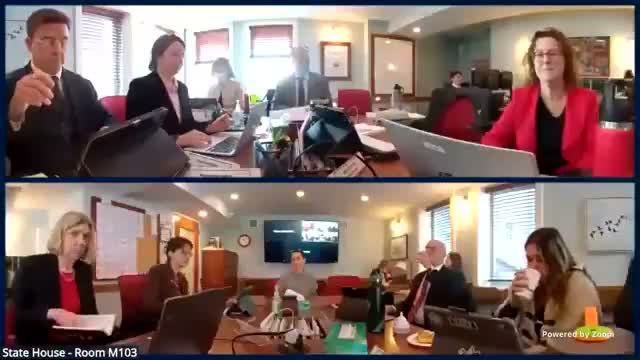
Representative Ella Chapin introduced H.779 to the House Education Committee on Jan. 28, proposing to repeal the state
early college statutory program, expand dual-enrollment vouchers and create a working group to study how state colleges and high schools can deliver college-level programming inside high schools.
Chapin, who identified herself as representing East Mount Holyoke in Middlesex, said the measure is rooted in personal experience and conversations with parents, school board members and legislators. "The bill would repeal early college," she told the committee, adding that she does not seek to reduce student opportunities but to address what she described as uneven and sometimes damaging local impacts.
Chapin and several other speakers said concentrated local uptake of early college has, in some places, left senior-year classes so small that teachers and advanced courses have been difficult to sustain. An instructor who identified themself as teaching dual-enrollment statistics told the committee: "The classes are empty. I have not a single class of more than 5 students this semester." Chapin gave a concrete example, saying one senior class had 114 students, 28 of whom participated in early college last year (about 25%), and that the share fell to about 17.5% in the current year in that case.
Proponents framed H.779 as a trade-off: repeal the stand-alone early college program while increasing the state-funded dual-enrollment voucher cap so more students could take college-credit courses within their high schools. Chapin said the bill would increase dual enrollment eligibility from two to four courses for juniors and seniors to better enable students to leave high school with at least one year of college credit.
Betsy James of the Office of Legislative Counsel gave a statutory walkthrough of the bill. She said Section 3 would repeal programmatic statutes related to early college; Section 4 would amend the dual-enrollment statute (moving the citation from 9-41 to 9-44 in the bill text) to allow an eligible student to enroll in up to four dual-enrollment courses instead of two; and Section 5 would create a working group to examine partnerships between high schools and the Vermont State Colleges System. James said some provisions would take effect July 1, 2026, and the early college program would sunset on July 1, 2027. She also noted a deliverable to the committee due in December (the transcript did not specify which calendar year).
Committee members and witnesses raised equity concerns and questions about who benefits from early college. Chapin said lower-income students can face transportation costs or fees to attend early college in person and that many lower-income students end up using online options (CCV), which some participants described as less desirable for in-person learning and peer engagement. "There are hidden costs for families to what is described as a free access to a year of college," Chapin said.
Legislators also discussed funding mechanics. Chapin said she had learned of a "threshold of 5%" above which a school district and the college both receive funds for the same student, which she described as effectively "double paying" and a strain on the K–12 education fund. Other members suggested the state consider shifting postsecondary payments to higher-education funding sources if the Legislature decides early college is primarily a postsecondary program.
Several members urged more data and testimony. One legislator cited VSAC data (2022) as an initial source and said updated, school‑by‑school figures would be helpful to understand scale and local outliers. Chapin asked the committee to take testimony from school districts and other stakeholders before advancing major statutory changes.
The session did not record a committee vote or formal action on H.779; the record at the hearing was limited to the bill introduction, sponsor remarks, member questions and a legislative counsel walkthrough of the bill's statutory changes and timelines. The working group and dual-enrollment changes in the bill were described repeatedly as contingent on legislated effective dates and the early-college sunset in the bill text.
What happens next: the bill was introduced and described at this hearing; committee members asked for additional data and testimony. Legislative counsel identified July 1, 2026 and July 1, 2027 as dates in the bill for staged changes and the sunset, but the transcript did not record a date for the December deliverable or any committee vote during this session.
Chapin, who identified herself as representing East Mount Holyoke in Middlesex, said the measure is rooted in personal experience and conversations with parents, school board members and legislators. "The bill would repeal early college," she told the committee, adding that she does not seek to reduce student opportunities but to address what she described as uneven and sometimes damaging local impacts.
Chapin and several other speakers said concentrated local uptake of early college has, in some places, left senior-year classes so small that teachers and advanced courses have been difficult to sustain. An instructor who identified themself as teaching dual-enrollment statistics told the committee: "The classes are empty. I have not a single class of more than 5 students this semester." Chapin gave a concrete example, saying one senior class had 114 students, 28 of whom participated in early college last year (about 25%), and that the share fell to about 17.5% in the current year in that case.
Proponents framed H.779 as a trade-off: repeal the stand-alone early college program while increasing the state-funded dual-enrollment voucher cap so more students could take college-credit courses within their high schools. Chapin said the bill would increase dual enrollment eligibility from two to four courses for juniors and seniors to better enable students to leave high school with at least one year of college credit.
Betsy James of the Office of Legislative Counsel gave a statutory walkthrough of the bill. She said Section 3 would repeal programmatic statutes related to early college; Section 4 would amend the dual-enrollment statute (moving the citation from 9-41 to 9-44 in the bill text) to allow an eligible student to enroll in up to four dual-enrollment courses instead of two; and Section 5 would create a working group to examine partnerships between high schools and the Vermont State Colleges System. James said some provisions would take effect July 1, 2026, and the early college program would sunset on July 1, 2027. She also noted a deliverable to the committee due in December (the transcript did not specify which calendar year).
Committee members and witnesses raised equity concerns and questions about who benefits from early college. Chapin said lower-income students can face transportation costs or fees to attend early college in person and that many lower-income students end up using online options (CCV), which some participants described as less desirable for in-person learning and peer engagement. "There are hidden costs for families to what is described as a free access to a year of college," Chapin said.
Legislators also discussed funding mechanics. Chapin said she had learned of a "threshold of 5%" above which a school district and the college both receive funds for the same student, which she described as effectively "double paying" and a strain on the K–12 education fund. Other members suggested the state consider shifting postsecondary payments to higher-education funding sources if the Legislature decides early college is primarily a postsecondary program.
Several members urged more data and testimony. One legislator cited VSAC data (2022) as an initial source and said updated, school‑by‑school figures would be helpful to understand scale and local outliers. Chapin asked the committee to take testimony from school districts and other stakeholders before advancing major statutory changes.
The session did not record a committee vote or formal action on H.779; the record at the hearing was limited to the bill introduction, sponsor remarks, member questions and a legislative counsel walkthrough of the bill's statutory changes and timelines. The working group and dual-enrollment changes in the bill were described repeatedly as contingent on legislated effective dates and the early-college sunset in the bill text.
What happens next: the bill was introduced and described at this hearing; committee members asked for additional data and testimony. Legislative counsel identified July 1, 2026 and July 1, 2027 as dates in the bill for staged changes and the sunset, but the transcript did not record a date for the December deliverable or any committee vote during this session.
View the Full Meeting & All Its Details
This article offers just a summary. Unlock complete video, transcripts, and insights as a Founder Member.
✓
Watch full, unedited meeting videos
✓
Search every word spoken in unlimited transcripts
✓
AI summaries & real-time alerts (all government levels)
✓
Permanent access to expanding government content
30-day money-back guarantee
