Committee moves toward 3-year moratorium on shared-appreciation agreements amid stakeholder splits
January 28, 2026 | 2026 Legislature ME, Maine
This article was created by AI summarizing key points discussed. AI makes mistakes, so for full details and context, please refer to the video of the full meeting. Please report any errors so we can fix them. Report an error »
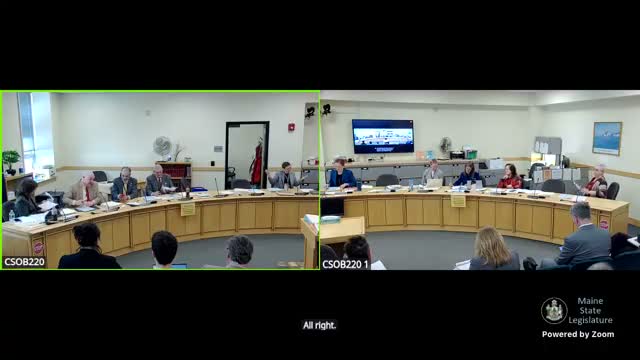
The committee considered draft legislation and stakeholder proposals addressing shared-appreciation agreements. Parties remain divided over assignee-liability provisions — a central sticking point that affected efforts to reach a negotiated bill. Consumer advocates and a Bureau of Consumer Credit Protection official argued for statutory protections and guardrails; industry representatives proposed a moratorium to allow the market to develop and for courts or other state experiences to clarify legal issues.
Thomas Cox, a homeowner advocate, urged the committee to adopt statutory protections, noting lessons from earlier mortgage crises where assignment liability complicated homeowners’ defenses. Linda Conte, Superintendent of the Bureau of Consumer Credit Protection, said the bureau could support the bill but also would accept a moratorium if that is the committee’s preference; she highlighted high-cost-mortgage protections that would otherwise apply to these products.
After discussion the committee favored a near-term prohibition: members negotiated language for a 3-year moratorium that includes a report-back from the administering agency in 2029 and a repeal date of January 1, 2030, so the legislature would have an opportunity to act in the following session. The committee debated whether to leave the bureau’s advisory ruling in place (allowing some products to continue under close supervision) or to adopt a statutory prohibition with a sunset; the chosen approach included a statutory moratorium and unallocated language directing agency reporting and rulemaking considerations.
Next steps: Committee staff will draft the moratorium language with the agreed report-back and repeal dates; the committee expects agency enforcement and a process for revisiting the statute before the repeal date.
Thomas Cox, a homeowner advocate, urged the committee to adopt statutory protections, noting lessons from earlier mortgage crises where assignment liability complicated homeowners’ defenses. Linda Conte, Superintendent of the Bureau of Consumer Credit Protection, said the bureau could support the bill but also would accept a moratorium if that is the committee’s preference; she highlighted high-cost-mortgage protections that would otherwise apply to these products.
After discussion the committee favored a near-term prohibition: members negotiated language for a 3-year moratorium that includes a report-back from the administering agency in 2029 and a repeal date of January 1, 2030, so the legislature would have an opportunity to act in the following session. The committee debated whether to leave the bureau’s advisory ruling in place (allowing some products to continue under close supervision) or to adopt a statutory prohibition with a sunset; the chosen approach included a statutory moratorium and unallocated language directing agency reporting and rulemaking considerations.
Next steps: Committee staff will draft the moratorium language with the agreed report-back and repeal dates; the committee expects agency enforcement and a process for revisiting the statute before the repeal date.
View the Full Meeting & All Its Details
This article offers just a summary. Unlock complete video, transcripts, and insights as a Founder Member.
✓
Watch full, unedited meeting videos
✓
Search every word spoken in unlimited transcripts
✓
AI summaries & real-time alerts (all government levels)
✓
Permanent access to expanding government content
30-day money-back guarantee
