Lawmakers press MaineCare and MotiveCare over NET performance as committee debates ombudsman and procurement
January 28, 2026 | 2026 Legislature ME, Maine
This article was created by AI summarizing key points discussed. AI makes mistakes, so for full details and context, please refer to the video of the full meeting. Please report any errors so we can fix them. Report an error »
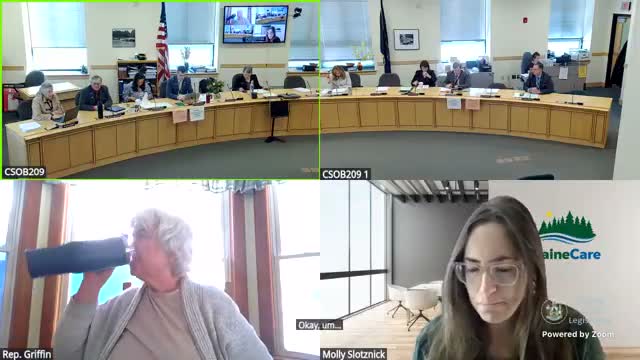
Maine lawmakers on Jan. 28 heard a MaineCare update on non‑emergency transportation (NET) services and pressed both the agency and MotiveCare on service reliability, complaint reporting and procurement oversight.
MaineCare Chief Operating Officer Molly Slotnick told the Joint Standing Committee on Health and Human Services that NET provides about 2,000,000 trips annually and that MotiveCare emerged from bankruptcy protection Dec. 29 under a court‑ordered restructuring. As a condition of the reorganization, Slotnick said, MotiveCare must hire independent auditors and has raised payment and performance bonds to 15% of contract value. MaineCare described continued monitoring—including weekly reviews of payments and standing oversight meetings—and said December 2025 metrics show complaint and missed‑trip rates well under contract thresholds.
The committee pressed for more context. Representative Sam Zager and others flagged a sharp month‑to‑month fall in missed trips for some brokers and asked whether the change was statistical variation or the result of specific operational fixes. Slotnick said MaineCare would obtain historical data and additional explanation; MotiveCare officials described daily dashboards and routing technology they use to optimize trips and enforce provider performance.
MotiveCare leadership, including chairman Daniel Silvers and operations executives, said the company has added providers in regions with capacity gaps and uses trip‑management software to monitor live events and speed remediation. Silvers described the company as financially stable after restructuring: “Promises made and promises kept,” he said.
Not all lawmakers accepted the performance figures. Representative Michael Lemelin said the committee’s qualitative testimony—constituents who reached out with repeated service failures—did not square with the very low complaint rate MotiveCare reported. “These numbers…they’re not even close,” Lemelin said during question period, arguing that reporting gaps and unclear complaint channels likely undercount problems.
The committee then moved into a work session on LD 18 35, a bill that would require departmental dashboards and reporting, establish a NET ombudsman and create regional advisory committees. Nonpartisan analyst Sam Seneft reviewed the bill’s provisions and relayed DHHS responses to several committee suggestions. DHHS cautioned that (1) requiring two brokers per region or shortening long contract terms would raise procurement and market‑viability issues; (2) obligating brokers to fund an ombudsman posed potential conflicts of interest, would complicate CMS approval and could disincentivize smaller nonprofit bidders; and (3) giving an ombudsman legally binding authority could trigger arbitration and other legal complications.
Committee members debated alternatives: some members urged reactivating or adapting existing ombudsman models or creating a single, widely publicized complaint hotline and repository so constituents know where to call; others recommended additional data‑breakdowns (standing orders vs. one‑time trips) to reconcile complaints with performance metrics. Several members called for legal guidance on whether an ombudsman funded in part by vendors could be perceived as impartial.
By the end of the session members agreed to a procedural outcome: they moved and seconded an “ought not to pass” recommendation on LD 18 35 for the current short session, while instructing staff to draft letters requesting more data, legal analysis on funding/oversight models, and for MaineCare to continue regular updates. The motion carried unanimously.
Next steps: the committee asked MaineCare to provide expanded historical performance data, clarify complaint‑intake flows and resolution outcomes, and to supply a legal assessment of ombudsman funding and authority options. The procurement appeals to the Maine Supreme Judicial Court for the NET contract award remain pending; the department said it could not alter current procurement terms while challenges are unresolved.
MaineCare Chief Operating Officer Molly Slotnick told the Joint Standing Committee on Health and Human Services that NET provides about 2,000,000 trips annually and that MotiveCare emerged from bankruptcy protection Dec. 29 under a court‑ordered restructuring. As a condition of the reorganization, Slotnick said, MotiveCare must hire independent auditors and has raised payment and performance bonds to 15% of contract value. MaineCare described continued monitoring—including weekly reviews of payments and standing oversight meetings—and said December 2025 metrics show complaint and missed‑trip rates well under contract thresholds.
The committee pressed for more context. Representative Sam Zager and others flagged a sharp month‑to‑month fall in missed trips for some brokers and asked whether the change was statistical variation or the result of specific operational fixes. Slotnick said MaineCare would obtain historical data and additional explanation; MotiveCare officials described daily dashboards and routing technology they use to optimize trips and enforce provider performance.
MotiveCare leadership, including chairman Daniel Silvers and operations executives, said the company has added providers in regions with capacity gaps and uses trip‑management software to monitor live events and speed remediation. Silvers described the company as financially stable after restructuring: “Promises made and promises kept,” he said.
Not all lawmakers accepted the performance figures. Representative Michael Lemelin said the committee’s qualitative testimony—constituents who reached out with repeated service failures—did not square with the very low complaint rate MotiveCare reported. “These numbers…they’re not even close,” Lemelin said during question period, arguing that reporting gaps and unclear complaint channels likely undercount problems.
The committee then moved into a work session on LD 18 35, a bill that would require departmental dashboards and reporting, establish a NET ombudsman and create regional advisory committees. Nonpartisan analyst Sam Seneft reviewed the bill’s provisions and relayed DHHS responses to several committee suggestions. DHHS cautioned that (1) requiring two brokers per region or shortening long contract terms would raise procurement and market‑viability issues; (2) obligating brokers to fund an ombudsman posed potential conflicts of interest, would complicate CMS approval and could disincentivize smaller nonprofit bidders; and (3) giving an ombudsman legally binding authority could trigger arbitration and other legal complications.
Committee members debated alternatives: some members urged reactivating or adapting existing ombudsman models or creating a single, widely publicized complaint hotline and repository so constituents know where to call; others recommended additional data‑breakdowns (standing orders vs. one‑time trips) to reconcile complaints with performance metrics. Several members called for legal guidance on whether an ombudsman funded in part by vendors could be perceived as impartial.
By the end of the session members agreed to a procedural outcome: they moved and seconded an “ought not to pass” recommendation on LD 18 35 for the current short session, while instructing staff to draft letters requesting more data, legal analysis on funding/oversight models, and for MaineCare to continue regular updates. The motion carried unanimously.
Next steps: the committee asked MaineCare to provide expanded historical performance data, clarify complaint‑intake flows and resolution outcomes, and to supply a legal assessment of ombudsman funding and authority options. The procurement appeals to the Maine Supreme Judicial Court for the NET contract award remain pending; the department said it could not alter current procurement terms while challenges are unresolved.
View the Full Meeting & All Its Details
This article offers just a summary. Unlock complete video, transcripts, and insights as a Founder Member.
✓
Watch full, unedited meeting videos
✓
Search every word spoken in unlimited transcripts
✓
AI summaries & real-time alerts (all government levels)
✓
Permanent access to expanding government content
30-day money-back guarantee
