Resolve to study mental‑health needs of Maine’s heritage industries wins broad support at committee hearing
January 28, 2026 | 2026 Legislature ME, Maine
This article was created by AI summarizing key points discussed. AI makes mistakes, so for full details and context, please refer to the video of the full meeting. Please report any errors so we can fix them. Report an error »
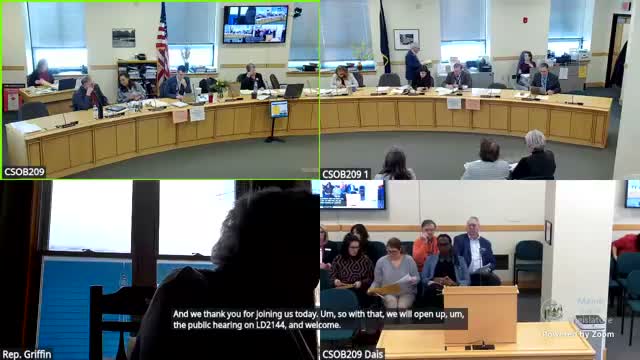
Lawmakers heard broad, bipartisan support Jan. 28 for LD 2144, a resolve to establish a working group focused on wellness and mental health resources for Maine’s heritage industries.
Senator Henry Ingerson (sponsor) told the Joint Standing Committee on Health and Human Services that farming, fishing and logging impose physical danger, financial volatility and isolation that contribute to high rates of distress and suicide in those occupations. He cited a University of Maine Cooperative Extension survey reporting that 61% of respondents in these sectors called for more public education and resources.
Witnesses from NAMI Maine, the Department of Agriculture, Conservation and Forestry (DACF), and industry groups described on‑the‑ground needs and the value of a targeted working group. Jennifer Thompson of NAMI Maine urged the committee to develop “practical, respectful” supports shaped by industry voices; DACF’s Emily Horton said the department would co‑chair implementation and that the group should look for sustainable funding and proven models from other states.
Industry representatives emphasized the economic role of heritage industries and the social stigma that discourages help‑seeking in rural communities. Ben Grant of the Professional Logging Contractors of the Northeast described safety trainings that now incorporate mental‑health topics and asked the committee to include practitioner voices and training resources in any recommendations.
Proponents urged the working group to prioritize outreach, reduce stigma, map service gaps and propose funding options that fit seasonal and remote work patterns. No opponents registered in the hearing; several cosponsors and local leaders urged the committee to move the resolve forward.
Senator Henry Ingerson (sponsor) told the Joint Standing Committee on Health and Human Services that farming, fishing and logging impose physical danger, financial volatility and isolation that contribute to high rates of distress and suicide in those occupations. He cited a University of Maine Cooperative Extension survey reporting that 61% of respondents in these sectors called for more public education and resources.
Witnesses from NAMI Maine, the Department of Agriculture, Conservation and Forestry (DACF), and industry groups described on‑the‑ground needs and the value of a targeted working group. Jennifer Thompson of NAMI Maine urged the committee to develop “practical, respectful” supports shaped by industry voices; DACF’s Emily Horton said the department would co‑chair implementation and that the group should look for sustainable funding and proven models from other states.
Industry representatives emphasized the economic role of heritage industries and the social stigma that discourages help‑seeking in rural communities. Ben Grant of the Professional Logging Contractors of the Northeast described safety trainings that now incorporate mental‑health topics and asked the committee to include practitioner voices and training resources in any recommendations.
Proponents urged the working group to prioritize outreach, reduce stigma, map service gaps and propose funding options that fit seasonal and remote work patterns. No opponents registered in the hearing; several cosponsors and local leaders urged the committee to move the resolve forward.
Don't Miss a Word: See the Full Meeting!
Go beyond summaries. Unlock every video, transcript, and key insight with a Founder Membership.
✓
Get instant access to full meeting videos
✓
Search and clip any phrase from complete transcripts
✓
Receive AI-powered summaries & custom alerts
✓
Enjoy lifetime, unrestricted access to government data
30-day money-back guarantee
