Committee advances SB 299 to fix CEQA drafting error that blocked some childcare projects
January 12, 2026 | California State Senate, Senate, Legislative, California
This article was created by AI summarizing key points discussed. AI makes mistakes, so for full details and context, please refer to the video of the full meeting. Please report any errors so we can fix them. Report an error »
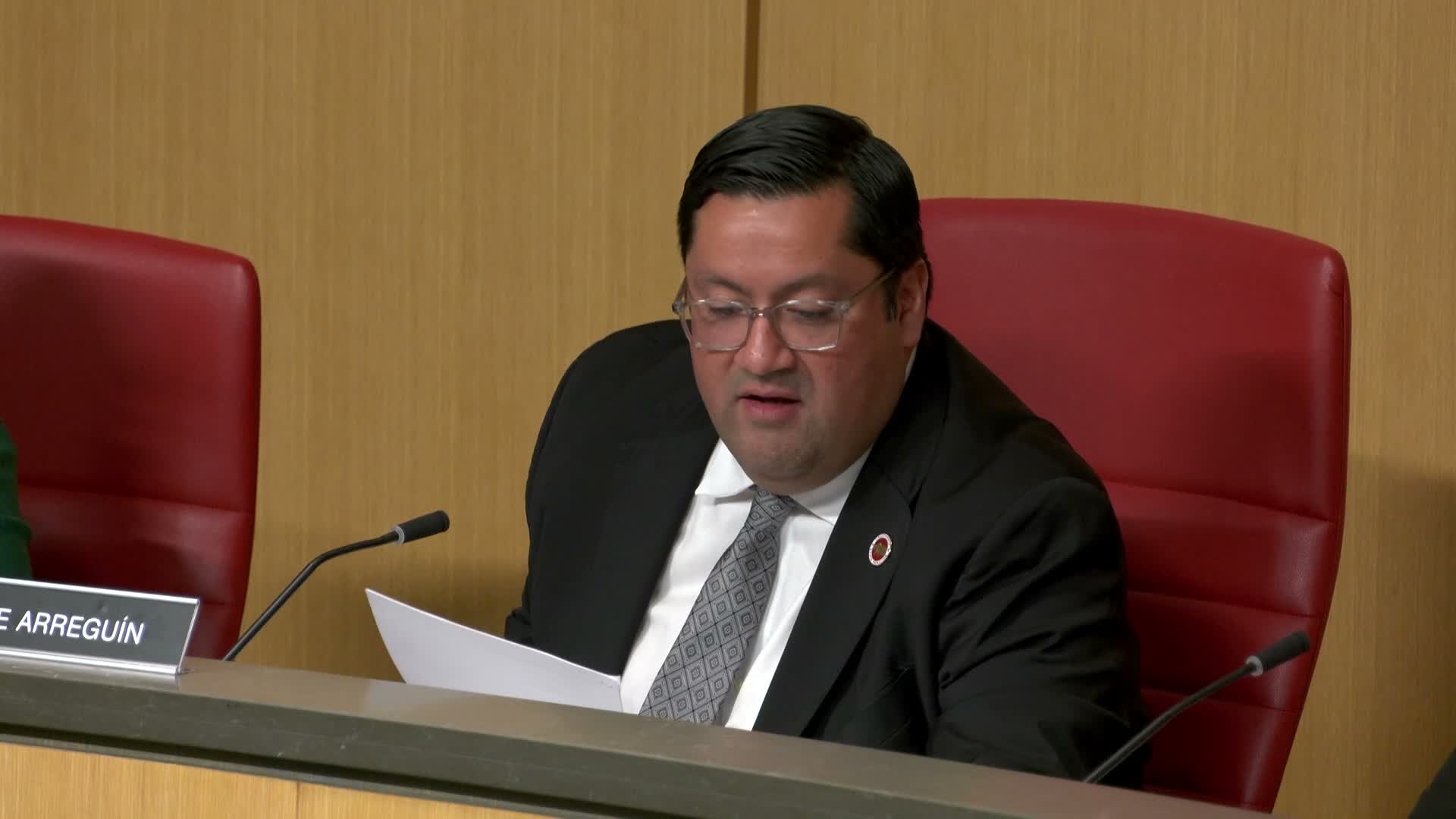
Senate Bill 299, presented by Senator Cabaldon, would correct language in last year’s CEQA reforms so that the legislature’s intended exemption for certain childcare facilities applies regardless of whether they are located in residential zones. The Human Services Committee heard testimony Jan. 12 and later reported the bill to the Senate Environmental Quality Committee.
Cabaldon said last year’s legislation unintentionally restricted the CEQA exemption to projects outside residential areas, creating an illogical result where a childcare center in an industrial zone could be exempt while one in a residential strip mall or church site would be subject to CEQA. He framed SB 299 as a narrow corrective measure to restore the exemption and facilitate development of childcare near homes and workplaces.
Supervisor Liz Alessio of Napa County described a local example in which a long‑time childcare provider, who had secured ARPA funds ($1,200,000), a $1,500,000 state grant and a preapproved $6,000,000 SBA loan, was effectively blocked after a CEQA filing. “In Napa County, for every nine babies born in our county, we have one licensed space,” Alessio told the committee, framing the bill as a way to remove barriers to urgently needed childcare capacity.
John Kennedy of the Rural County Representatives of California said CEQA has occasionally been used for non‑environmental purposes—sometimes to delay projects past economic viability—and that SB 299 will remove a procedural barrier to new childcare facilities. Several local and statewide organizations including the League of California Cities, the California State Association of Counties, and the Low Income Investment Fund registered support during the hearing.
The committee moved SB 299 to the Senate Environmental Quality Committee and reported it out by a 5–0 roll‑call vote. Supporters said the change preserves CEQA’s environmental protections while preventing misuse of the statute to frustrate projects intended to provide public benefit.
The bill’s next step is consideration in the Senate Environmental Quality Committee.
Cabaldon said last year’s legislation unintentionally restricted the CEQA exemption to projects outside residential areas, creating an illogical result where a childcare center in an industrial zone could be exempt while one in a residential strip mall or church site would be subject to CEQA. He framed SB 299 as a narrow corrective measure to restore the exemption and facilitate development of childcare near homes and workplaces.
Supervisor Liz Alessio of Napa County described a local example in which a long‑time childcare provider, who had secured ARPA funds ($1,200,000), a $1,500,000 state grant and a preapproved $6,000,000 SBA loan, was effectively blocked after a CEQA filing. “In Napa County, for every nine babies born in our county, we have one licensed space,” Alessio told the committee, framing the bill as a way to remove barriers to urgently needed childcare capacity.
John Kennedy of the Rural County Representatives of California said CEQA has occasionally been used for non‑environmental purposes—sometimes to delay projects past economic viability—and that SB 299 will remove a procedural barrier to new childcare facilities. Several local and statewide organizations including the League of California Cities, the California State Association of Counties, and the Low Income Investment Fund registered support during the hearing.
The committee moved SB 299 to the Senate Environmental Quality Committee and reported it out by a 5–0 roll‑call vote. Supporters said the change preserves CEQA’s environmental protections while preventing misuse of the statute to frustrate projects intended to provide public benefit.
The bill’s next step is consideration in the Senate Environmental Quality Committee.
View the Full Meeting & All Its Details
This article offers just a summary. Unlock complete video, transcripts, and insights as a Founder Member.
✓
Watch full, unedited meeting videos
✓
Search every word spoken in unlimited transcripts
✓
AI summaries & real-time alerts (all government levels)
✓
Permanent access to expanding government content
30-day money-back guarantee
